Explore our highly-customizable baseline designs engineered for optimal power density, longevity, and thermal stability.
The industrial and commercial landscapes are witnessing a massive transition. The legacy paradigm of relying on standard off-the-shelf electric drives is rapidly giving way to application-specific, custom-engineered motion profiles. Across aerospace, medical devices, automotive subsystems, smart building infrastructure, and precision kitchen electronics, design engineers face mounting constraints. Space is shrinking, thermal envelopes are tightening, and energy efficiency standards (such as IE3/IE4/IE5 regulations) are becoming strictly enforced.
For procurement departments and OEMs, selecting a certified Custom OEM AC Motor Supplier or specialized Micro DC/BLDC developer is no longer just about obtaining a component; it is about establishing a collaborative engineering pipeline. A custom supplier must provide actionable information gain during the design phase, offering physical and mathematical validation of the motor's behavior under transient thermal loads, duty cycle variations, and electro-magnetic interference (EMI) stresses.
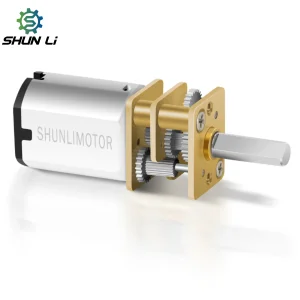
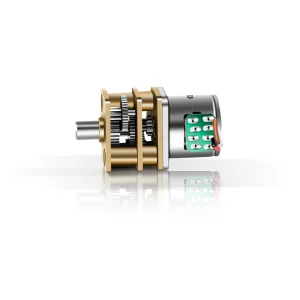
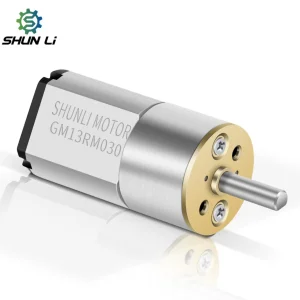
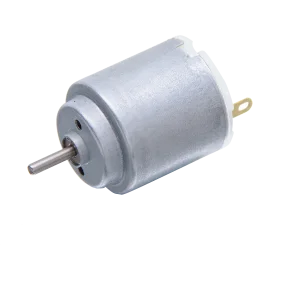
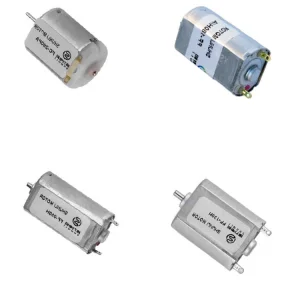
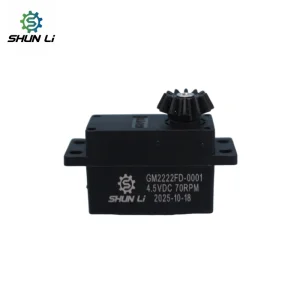
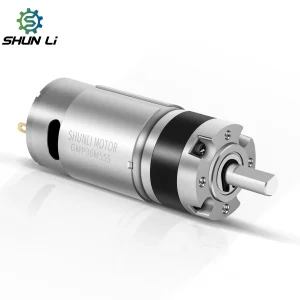
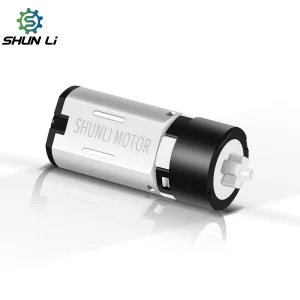
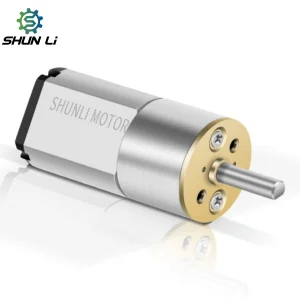
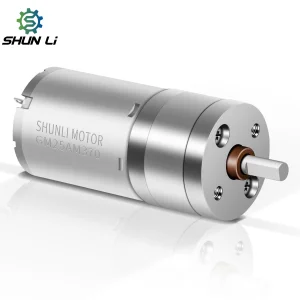
Modern applications require micro-drives that optimize torque density while keeping power consumption low. By tuning internal magnetic circuits, pole alignments, and custom planetary gear ratios, we deliver solutions that standard catalog suppliers cannot replicate.
In North America, Europe, and Japan, industrial OEMs are shifting their procurement strategies toward factories capable of seamless co-engineering. The ability to customize physical mounting configurations, shaft geometries, encoder feedback loops, and winding resistances allows systems developers to build smaller, more reliable end-use machines.
Translating demanding performance profiles into robust, scalable manufacturing realities since 2006.
MicroDyn Motor is a specialized High-Tech China factory established in 2006, dedicated to engineering advanced Micro DC, Gear, and Brushless (BLDC) motors. Our design engineers bring decades of collective experience in electromechanical micro-motion technologies to every project.
The heart of every great machine is its MicroDyn Motor. If the MicroDyn Motor fails, innovation stops. That is why we engineer every drive with industrial-grade margins—ensuring higher torque, lower noise, and longer operational lifespans than standard commercial alternatives.
We bridge the gap between initial design and high-volume manufacturing. Through 100% custom engineering (modifying shafts, operating voltages, encoder types, and gear configurations) and scalable automated production, we supply global OEMs with the exact motion control they need, delivered direct from the source.
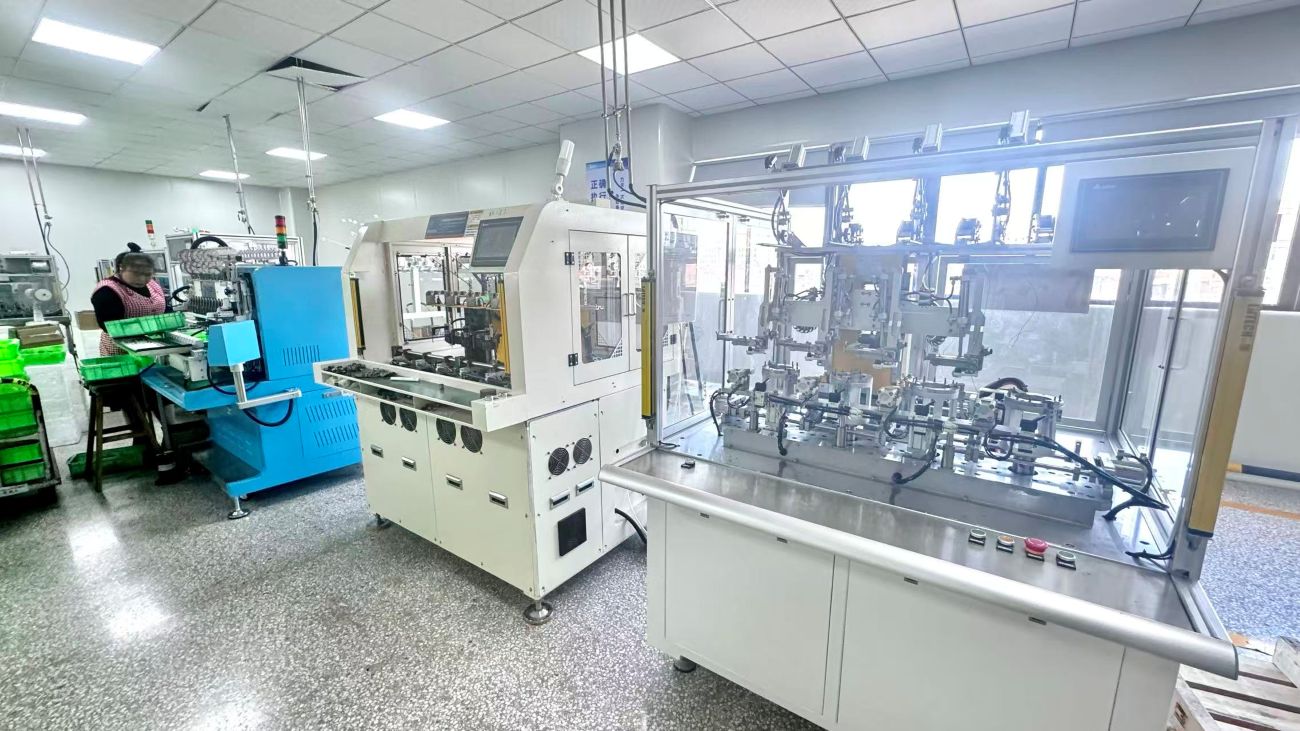
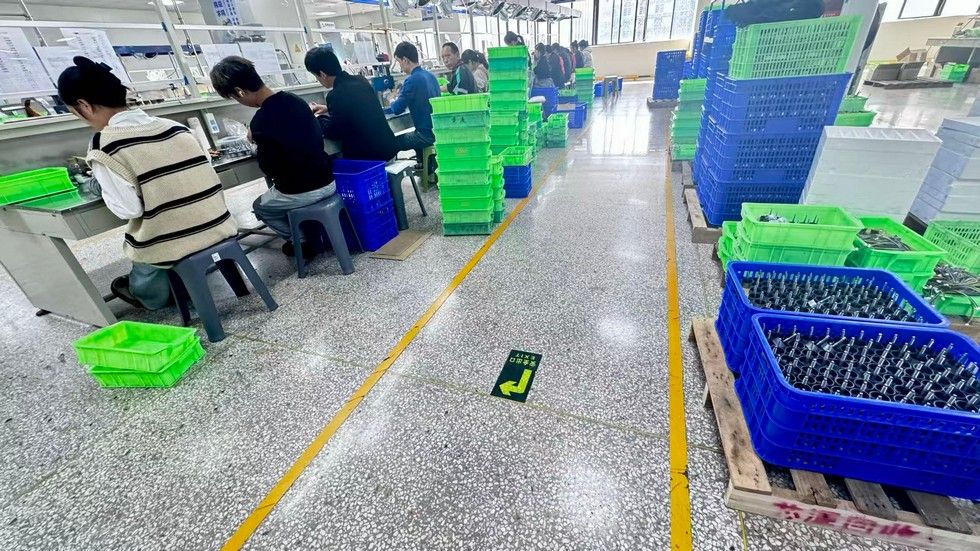
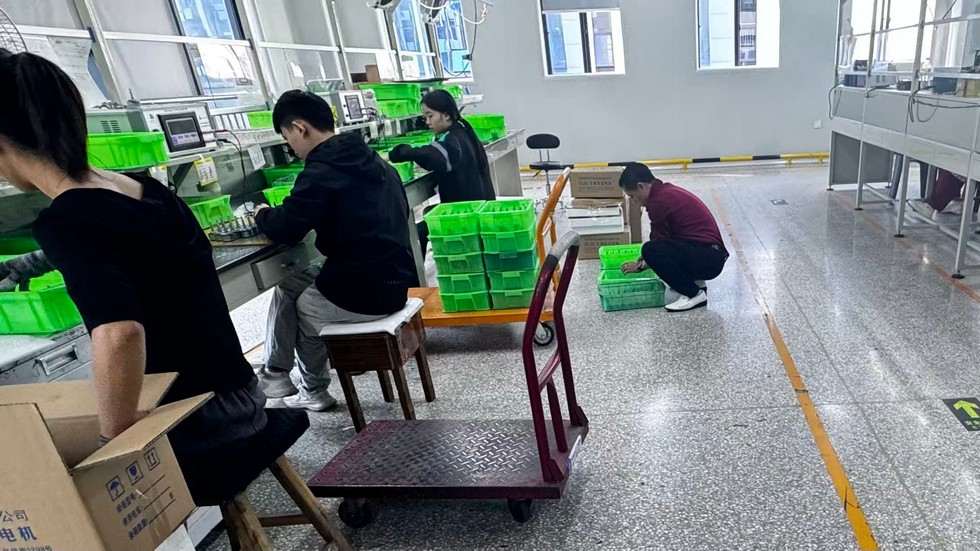
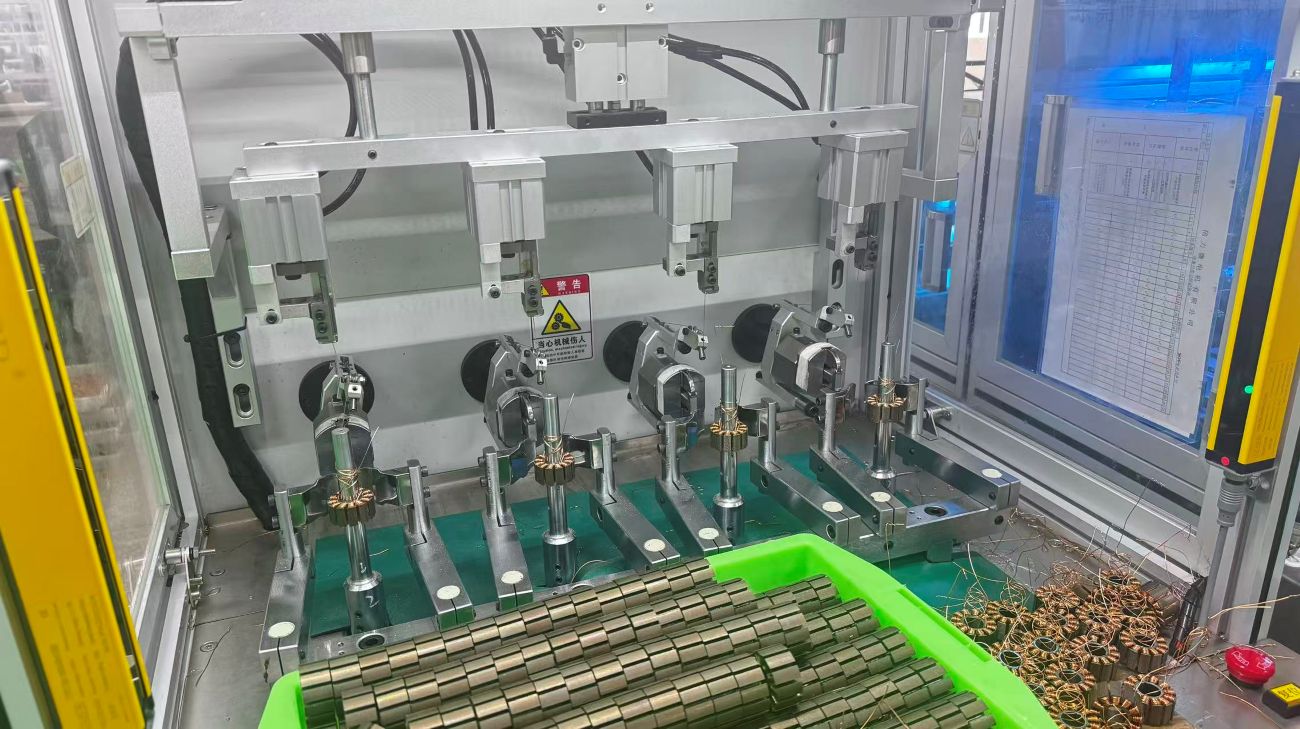
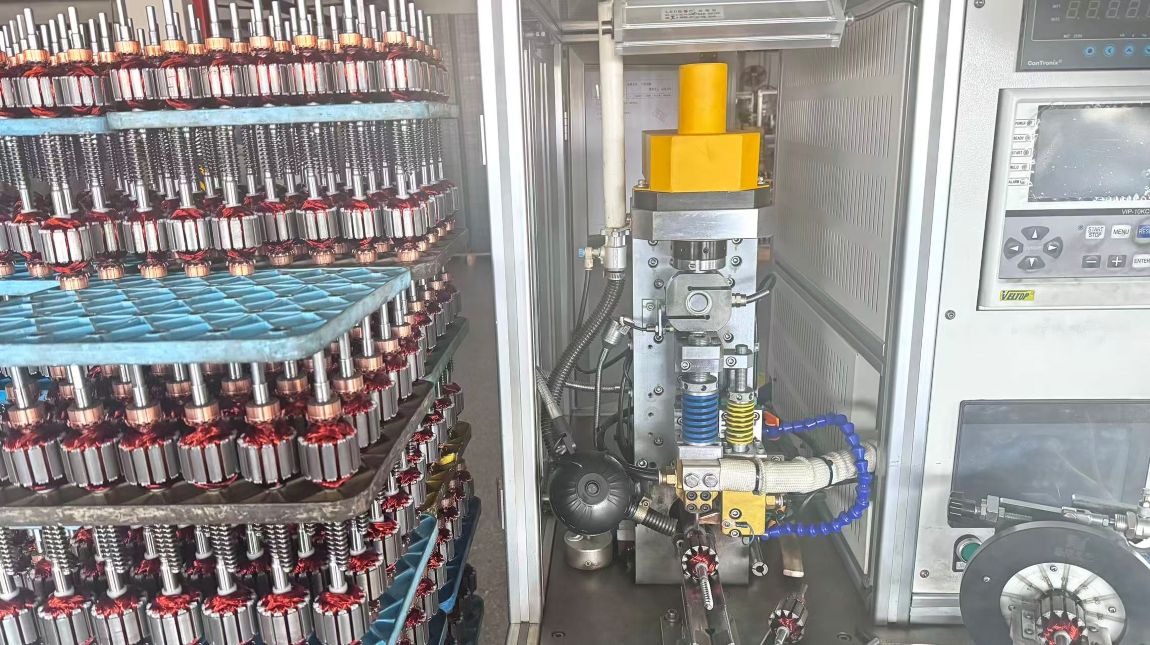
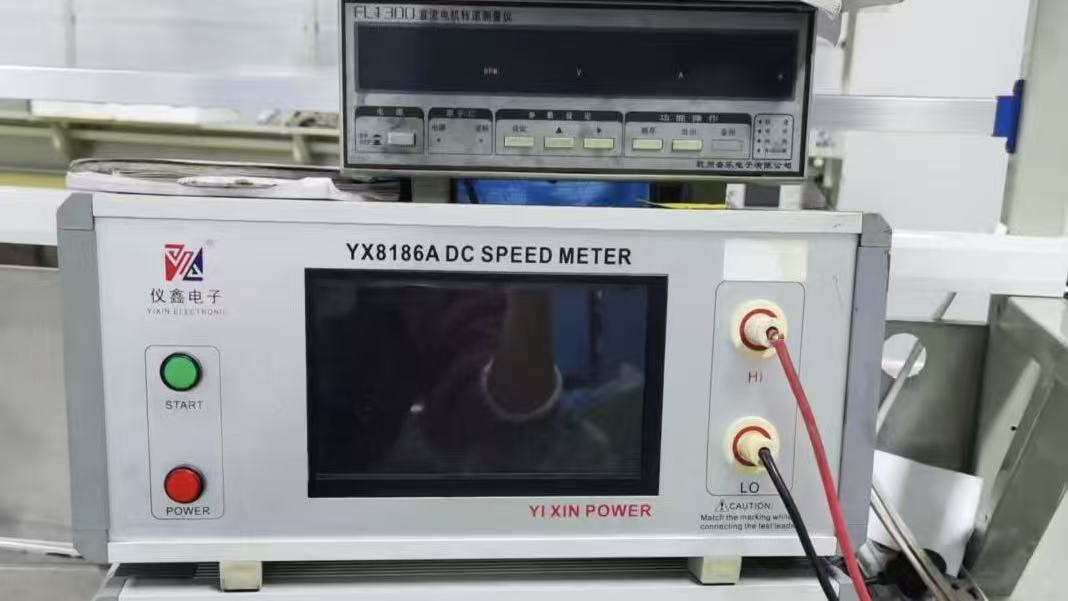
Quality and performance are built at the manufacturing stage. By combining automated winding machinery with strict, multi-point testing, our production line guarantees reliability.

When engineering motors for global OEMs, simple specifications like "12V" or "100 RPM" only describe the surface. True engineering integration requires evaluating factors that influence both operational lifespan and performance consistency:
Winding layout determines the magnetic force density within the stator. By adjusting wire thickness and the number of turns, we match the back electromotive force (Back-EMF) to the OEM's power supply profile. This reduces heat generation and improves energy efficiency.
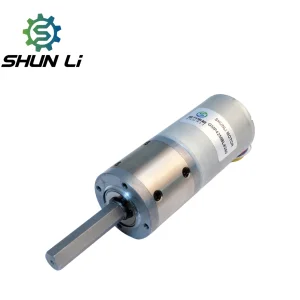
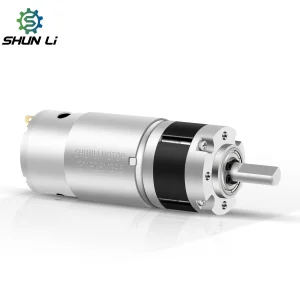
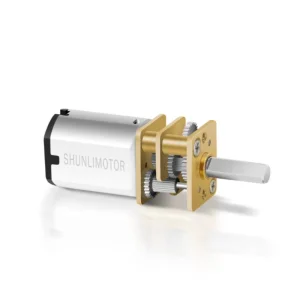
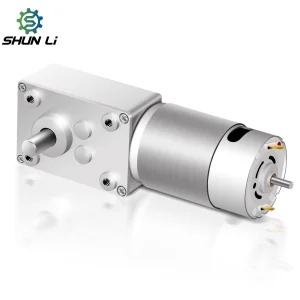
High-reduction gearboxes, such as planetary configurations, are used to increase torque in small spaces. We offer custom materials (hardened steel, brass, or engineered plastics) to meet specific mechanical load profiles and noise requirements.
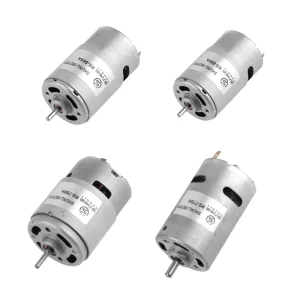
We configure motor systems using carbon brushes for cost-sensitive, high-starting-torque applications, or brushless (BLDC) systems when long operational lifespans and low electromagnetic noise are required.
Different industries require unique engineering trade-offs. Here is how our custom motors are integrated into key market applications:
Smart blinds, automated projection screens, and security locks require quiet, reliable micro-gear motors. By customizing gear teeth profiles, we minimize vibration and mechanical noise in residential environments.
Medical tools demand precise position control. Our micro brushless (BLDC) motors, paired with feedback sensors, deliver reliable performance for fluid pumps, analyzers, and surgical equipment.
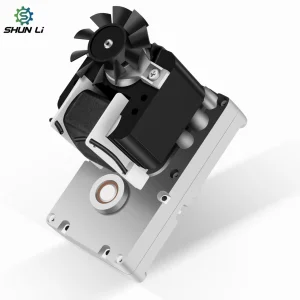
Commercial ovens, rotisseries, and kitchen ventilation require high-torque motors that can withstand high temperatures. Our shaded pole motors and high-temp gearboxes are engineered to work reliably in these environments.
We test our custom motor components to ensure they meet the durability requirements of demanding commercial applications.
A reliable procurement strategy relies on verifiable quality processes. For custom micro motors, our quality controls focus on three main areas:
By conducting design reviews and sharing testing reports before mass production, we help engineers reduce risks and launch products on time.
Detailed answers to common engineering and sourcing questions about custom motor systems.
Review our additional technical profiles designed to meet specific engineering challenges.
 MicroDyn Motor