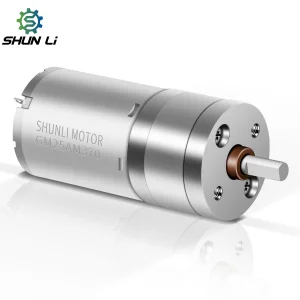
Engineered for high torque, low noise, and industrial reliability
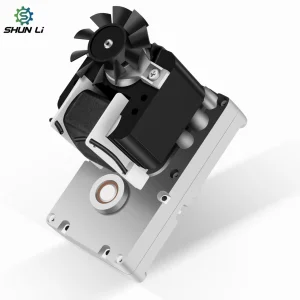
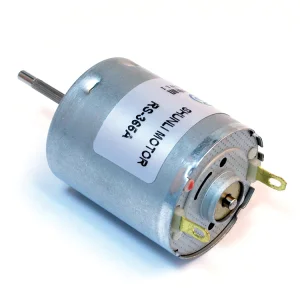
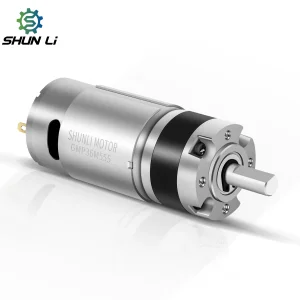
The global power tool industry is undergoing a structural transition driven by electrification, intelligent motion control, and extreme performance demands.
At the center of this revolution lies the power tool motor. Historically dominated by simple brushed DC and AC universal configurations, today's industrial applications demand micro DC, gear, and brushless (BLDC) motors that deliver maximum power density with minimal physical footprint. Modern manufacturing environments, medical exoskeletons, robotics, and smart infrastructure elements require motors capable of precise torque delivery, thermal stabilization, and continuous operation under harsh stresses.
As manufacturing lines transition toward Industry 4.0 standards, global OEMs must secure suppliers who do not merely manufacture commoditized parts but offer rigorous engineering integrity. High-precision gearboxes, integrated encoders, and customized winding methodologies are the new baselines for industrial procurement.
Strategic advancements reshaping industrial tool applications and motion control networks
The relentless demand for lighter hand tools requires motors with optimized magnetic circuits using high-coercivity NdFeB magnets. This delivers higher torque per unit volume, reducing user fatigue in assembly environments.
Integration of MCU controllers directly onto the motor end-bell. Real-time monitoring of current signatures and back-EMF enables predictive failure analytics and optimized dynamic response profiles.
Through finite element analysis (FEA) of stator and rotor interactions, manufacturers are minimizing cogging torque. This leads to whisper-quiet operations crucial in medical machinery and high-end consumer appliances.
A structural outline of requirements when sourcing industrial-grade electric motors
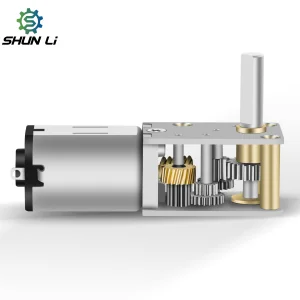
Off-the-shelf motors rarely fit the precise torque-speed curve required. Buyers look for partners capable of adapting shaft geometries, gear reduction ratios (such as planetary, worm, and spur configurations), and specialized winding specifications.
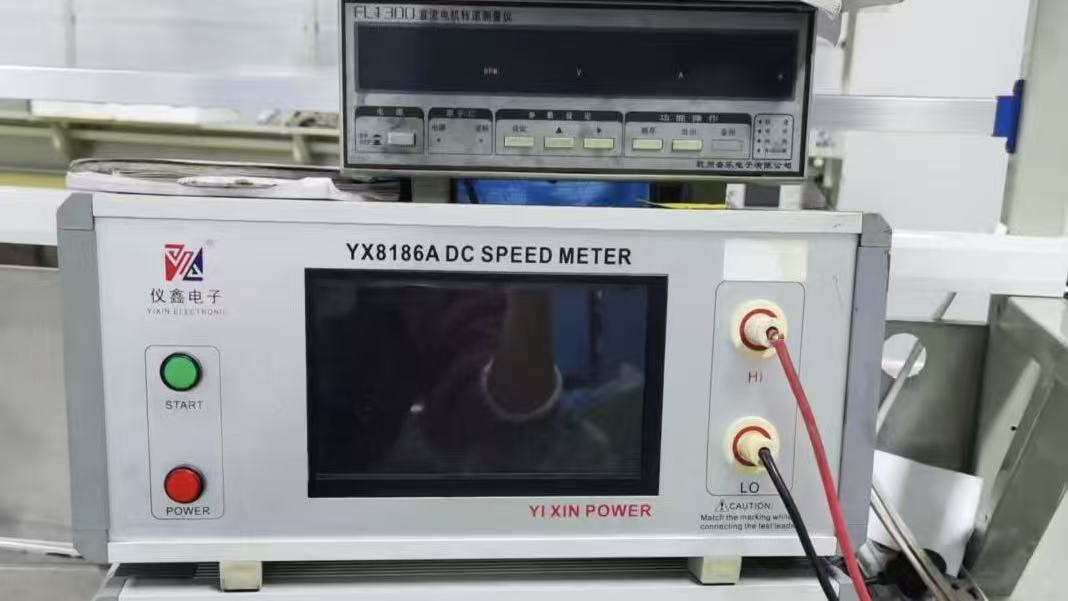
Industrial applications require documented production testing. This includes insulation resistance checks, rotor balancing profiles, gear backlash verification, and end-of-line dyno-testing with historical trace data linked via serial numbers.
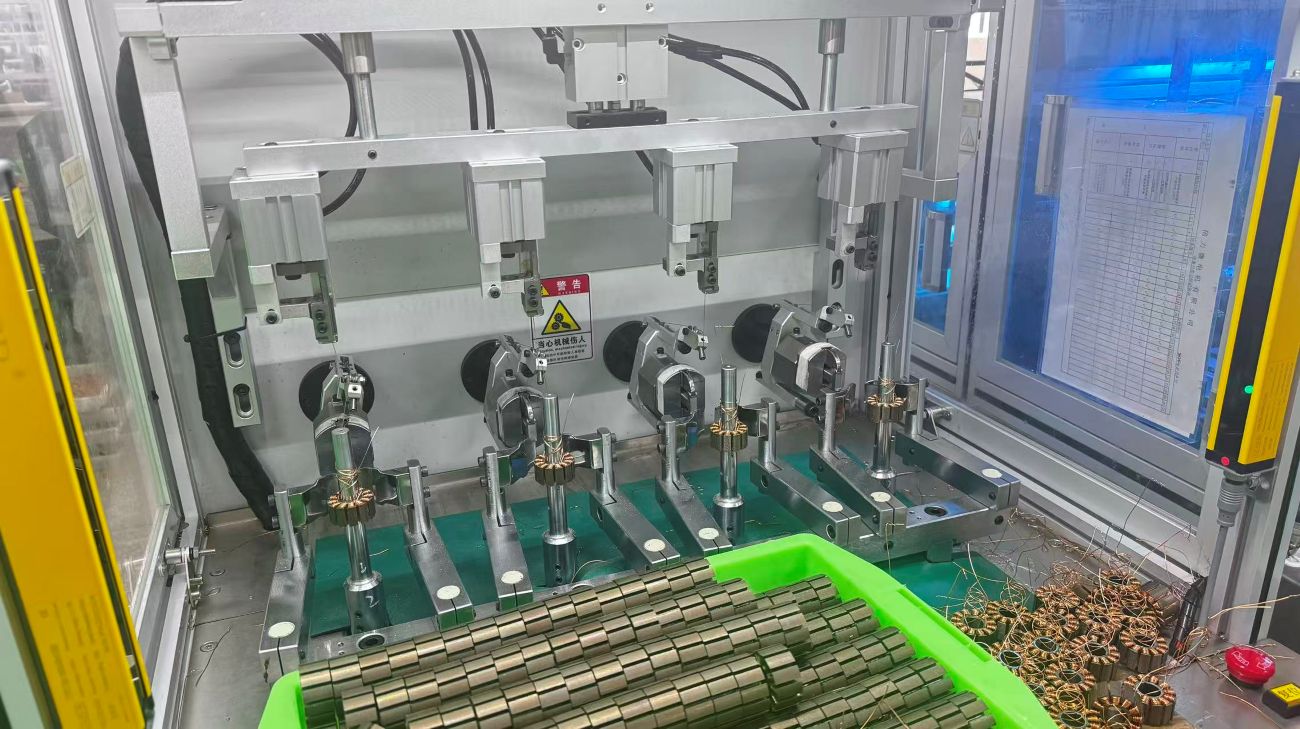
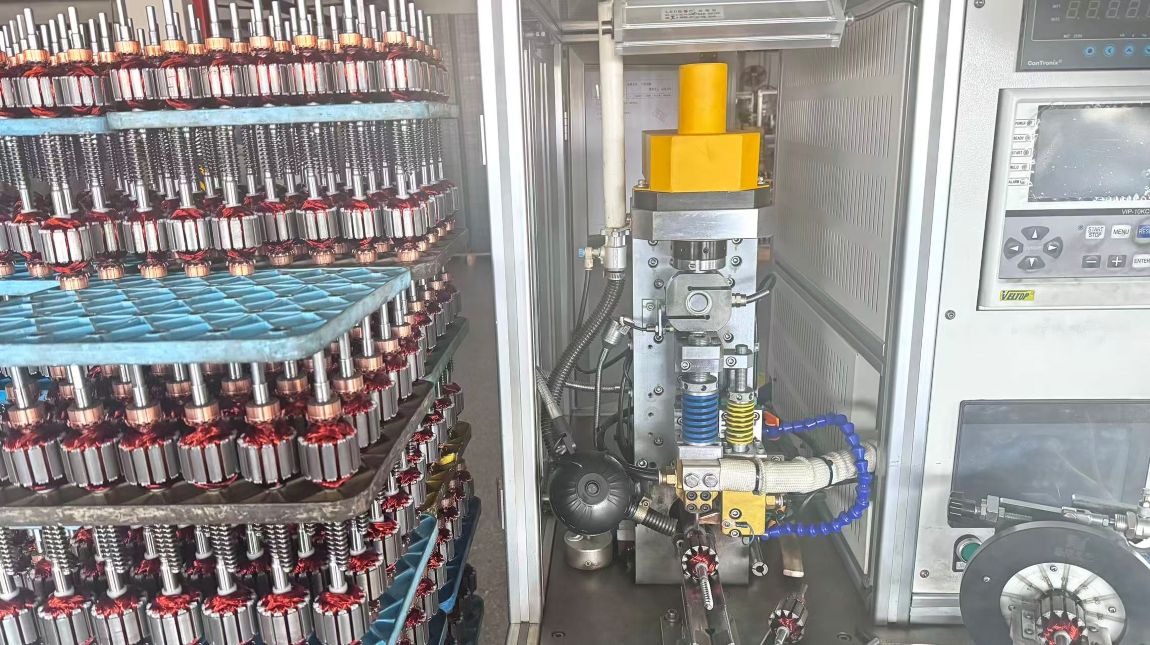
Geopolitical challenges make regional supply chain diversification critical. Resilient buyers prioritize manufacturers with vertically integrated processes—combining wire drawing, automatic winding, machining, and assembly under one roof to mitigate lead-time risk.
Compliance with global safety, environment, and communication standards is essential. Sourced components must hold certifications including CE, UL, RoHS, and REACH to prevent regulatory friction at import boundaries.
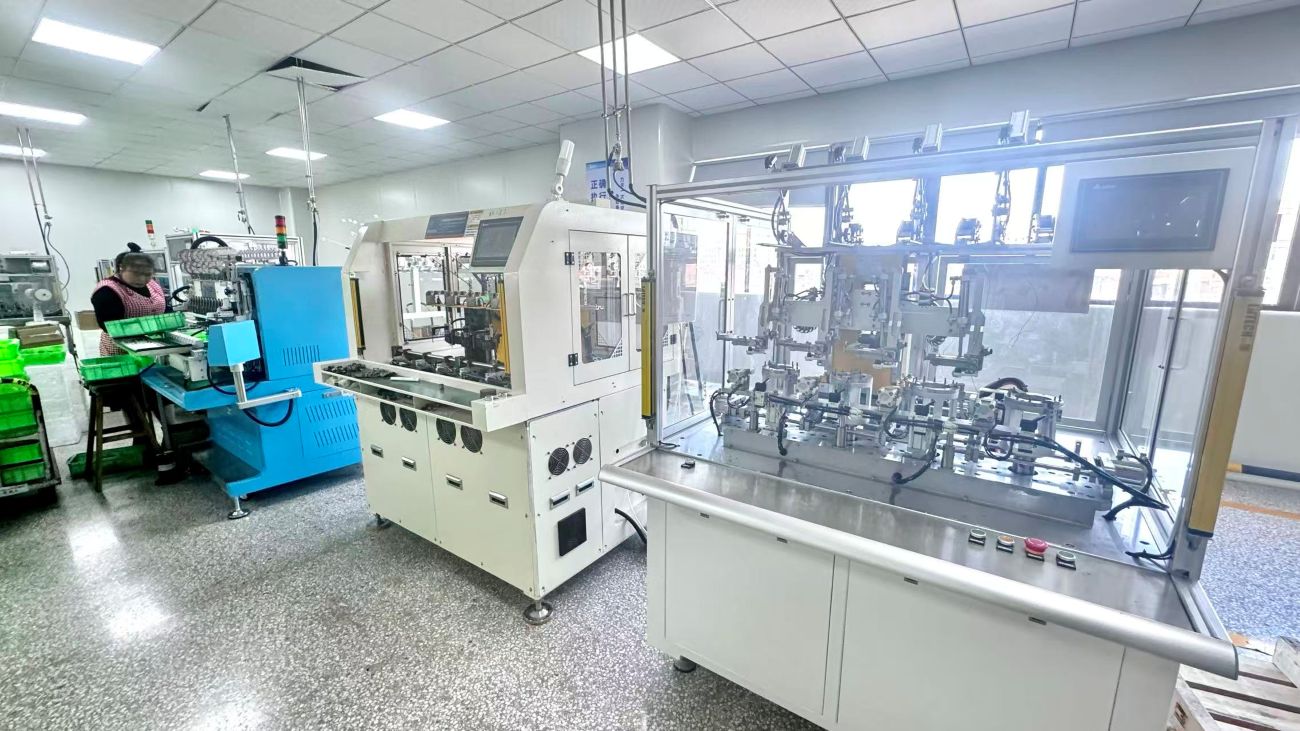
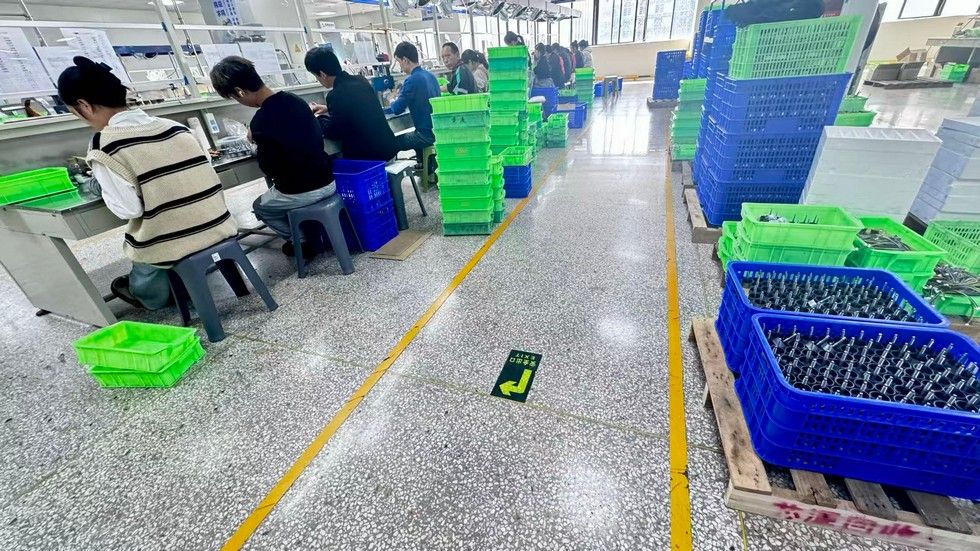
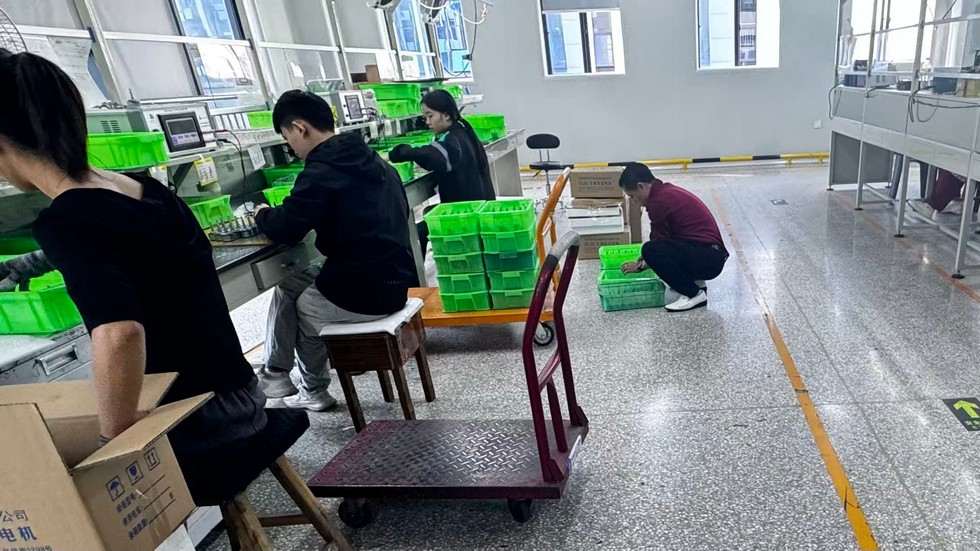
Operational infrastructure and lean automation processing inside the heart of Chinese motor manufacturing
Who We Are: MicroDyn Motor is a specialized High-Tech China factory established in 2006, dedicated to engineering advanced Micro DC, Gear, and Brushless (BLDC) motors.
What We Believe: The heart of every great machine is its MicroDyn Motor. If the MicroDyn Motor fails, innovation stops. That is why we engineer every drive with industrial-grade margins—ensuring higher torque, lower noise, and longer operational lifespans than standard commercial alternatives.
How We Serve You: We bridge the gap between design and volume. Through 100% custom engineering (modifying shafts, voltages, encoders, and gear ratios) and scalable automated production, we supply global OEMs with the exact motion control they need, delivered direct from the source.

Translating power tool motor capabilities into specialized real-world performance metrics
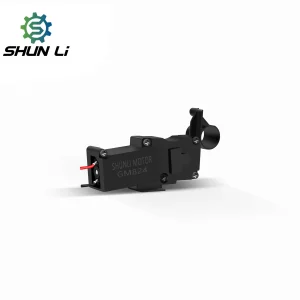
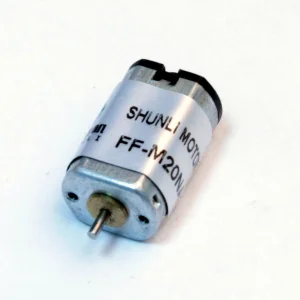
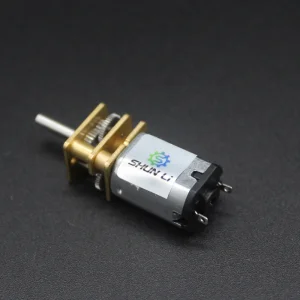
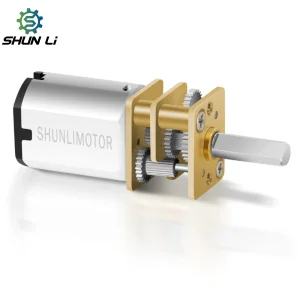
Micro DC gear motors (like the N20 series) provide high holding torque and low noise footprint inside compact smart deadbolts and commercial locking systems. Integrated encoders allow secure positional feedback for smart home ecosystems.
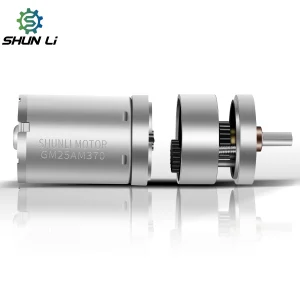
Planetary gear setups combined with customized 12V brush and BLDC configurations empower joint movements inside exoskeleton hardware. High reliability under instant, sharp shock loads ensures user stability.
6V and 12V high-torque reduction gearboxes drive distribution mechanics under heavy torque requirements. Constant speed under load variants ensures reliable product delivery and prevents vending faults.
A comprehensive benchmark framework for comparing Tier-1 micro-motor exporters
Direct technical explanations addressing core engineering and supply chain concerns
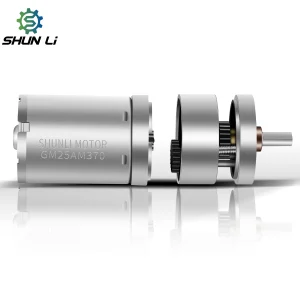
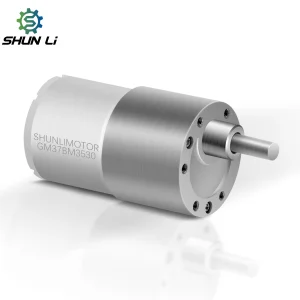
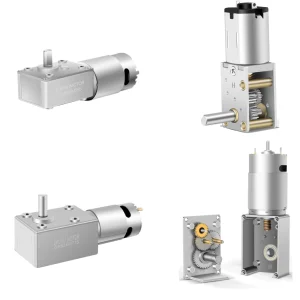
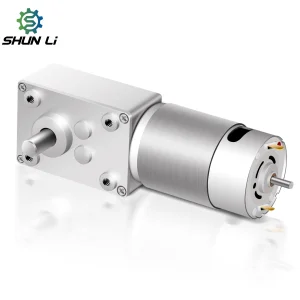
Planetary gearboxes offer higher torque transmission efficiency, compact volume, and outstanding shock load resistance, making them ideal for high-precision applications like robotics and power hand tools. Worm gearboxes, conversely, provide self-locking safety capabilities and low-noise profiles at a lower speed output, which is highly suited for smart rolling doors, automated BBQ ovens, and kitchen ventilation machinery.
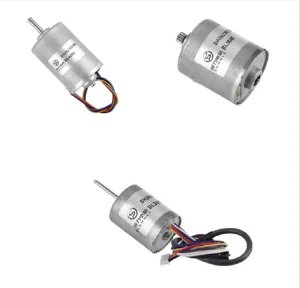
BLDC motors replace mechanical carbon brushes with electronic commutation. This transition eliminates friction, sparks, and mechanical wear, allowing for significantly higher rotational speeds (up to 40,000 RPM in micro sizes), longer functional lifespans, better thermal efficiency, and simplified closed-loop integration with smart control circuitry.
By optimizing winding wire gauge, wire materials (such as high-grade oxygen-free copper), and slot fill factors, manufacturers can reduce winding resistance. This lowers internal thermal accumulation during peak operation, protecting the enamel insulation layer from degradation and extending the motor's operational lifespan under fluctuating currents.
A rigorous quality protocol should involve dynamic rotor balancing to prevent vibration, comprehensive dynamometer tests to measure actual torque-speed curves, isolation dielectric tests, and automated visual inspections of the gear assemblies. Testing feedback loops help optimize automated manufacturing lines in real-time.
Explore our high-performance custom electric motors and planetary gearbox configurations
 MicroDyn Motor