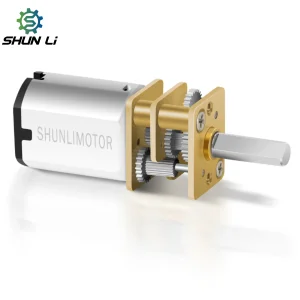
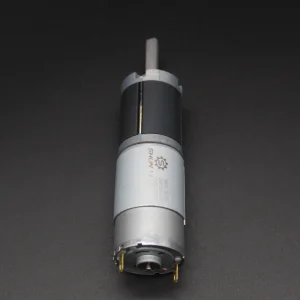
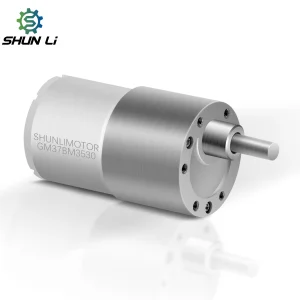
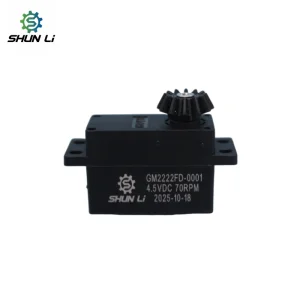
Engineered to exact Japanese standards of durability and performance, with immediate availability for key industrial nodes.
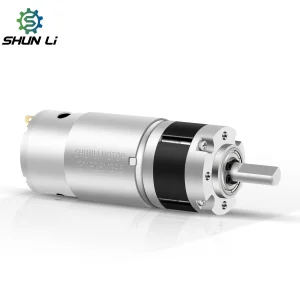
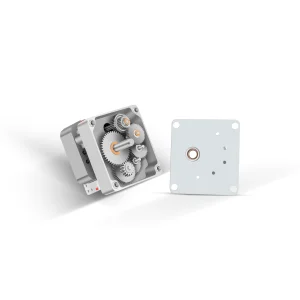
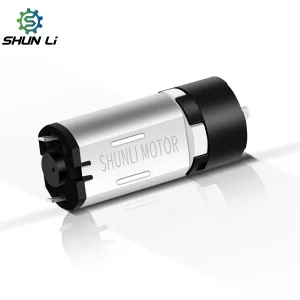
Japan’s industrial sector is undergoing a historic structural transformation. Driven by severe labor shortages resulting from an aging population, Japanese factories, warehouse systems, and commercial developers are accelerating their migration to robotics, automated guided vehicles (AGVs), and smart infrastructure. Crucial to this change is the reliance on high-durability micro DC motors, brushless DC (BLDC) motors, and high-torque planetary gearboxes.
While historically dependent on highly integrated domestic "Keiretsu" supply chains, Japanese OEMs are increasingly turning to reliable Chinese manufacturing centers. By utilizing modern stocking systems and certified export capabilities, Chinese suppliers are helping Japanese procurement departments mitigate the long, volatile lead times associated with traditional domestic suppliers. For organizations operating in Tokyo, Osaka, Nagoya, and Fukuoka, establishing a secure pipeline for ready-to-ship, customizable motor options has transitioned from a tactical cost-saving measure to a strategic supply chain necessity.
Japanese Sourcing Priorities
Our manufacturing facility directly addresses the critical needs of Japanese procurement divisions: JIT compatibility, technical transparency, and reliable E-E-A-T credentials verified through physical audit documentation.
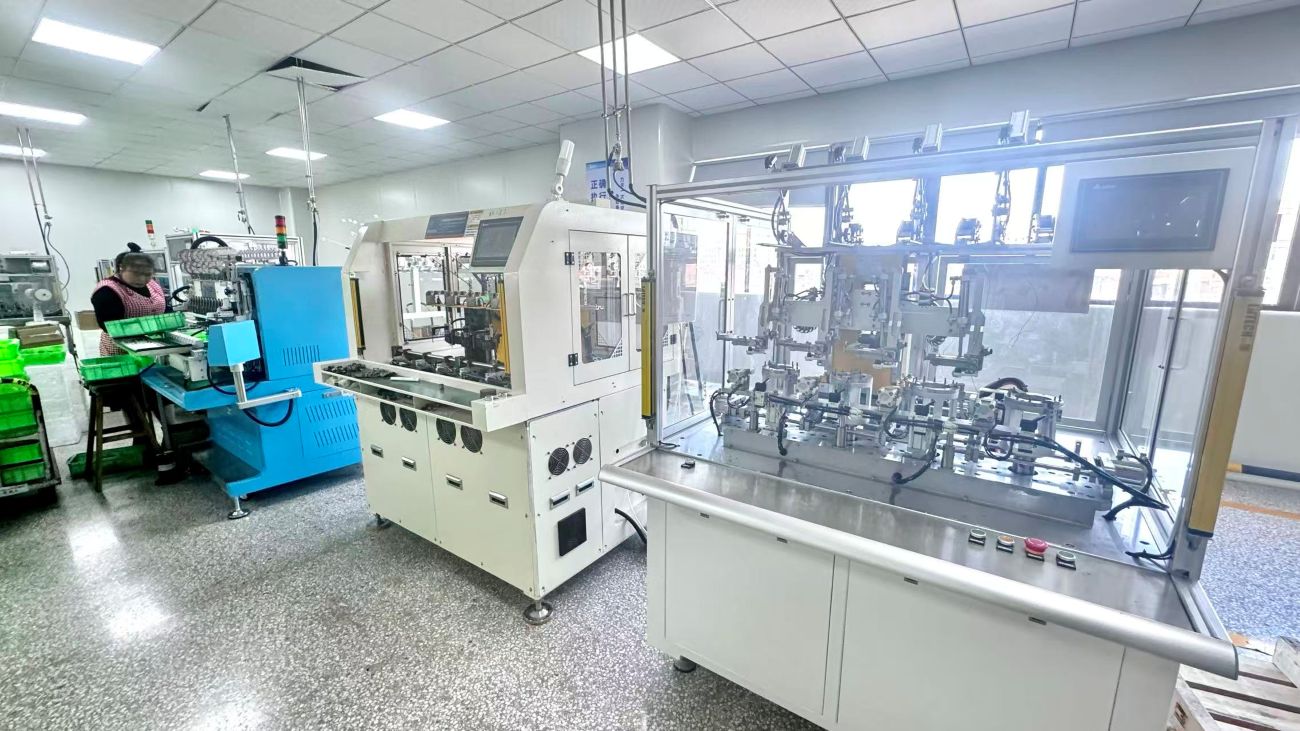
Experience E-E-A-T in practice. Our manufacturing plant combines robotic assembly lines with precision human verification to guarantee consistent motor tolerances.
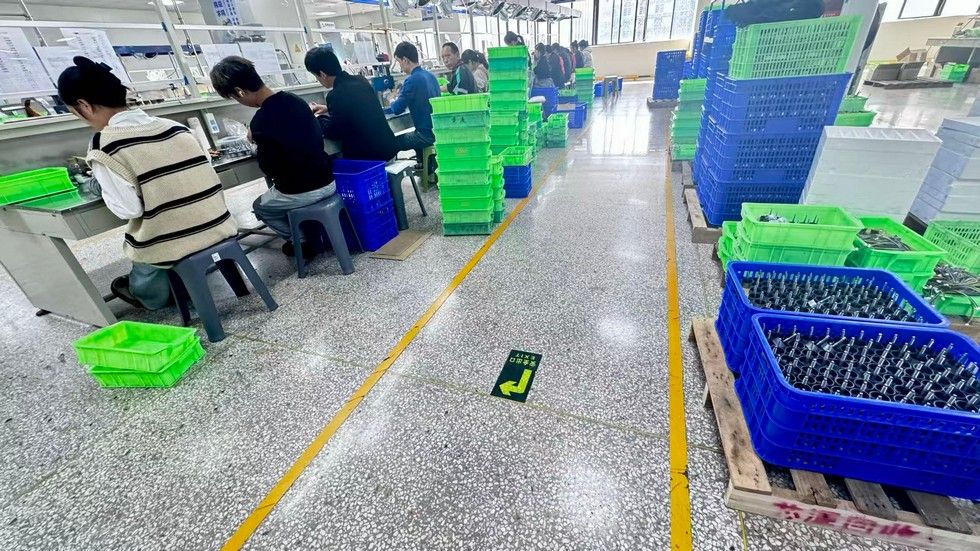
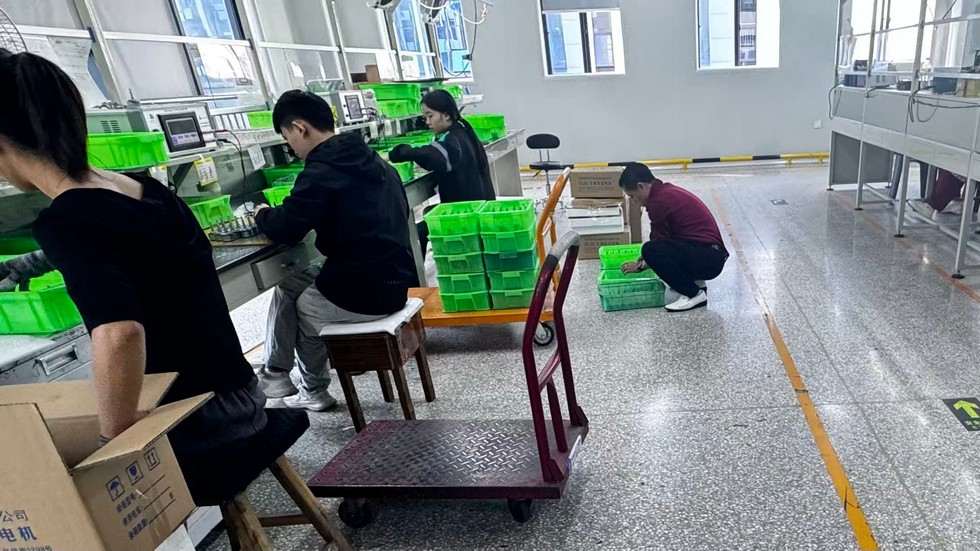
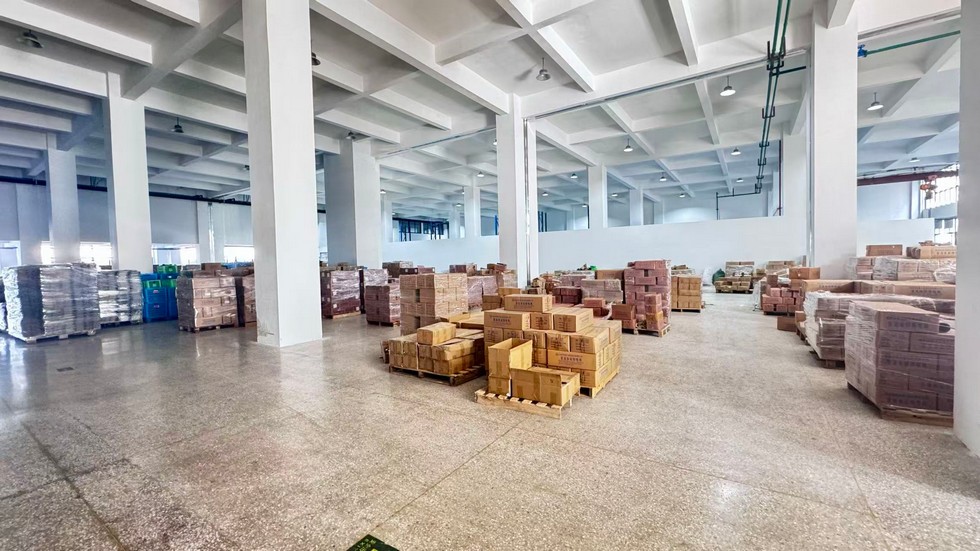
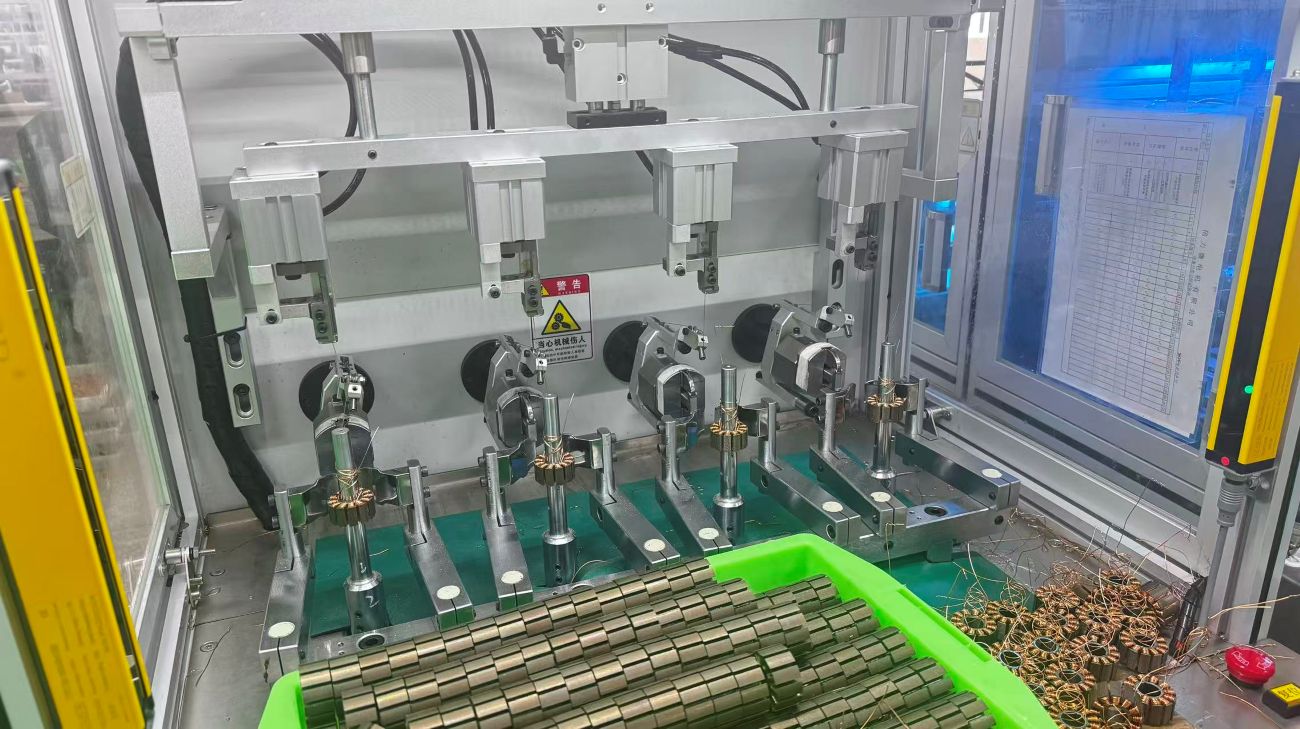
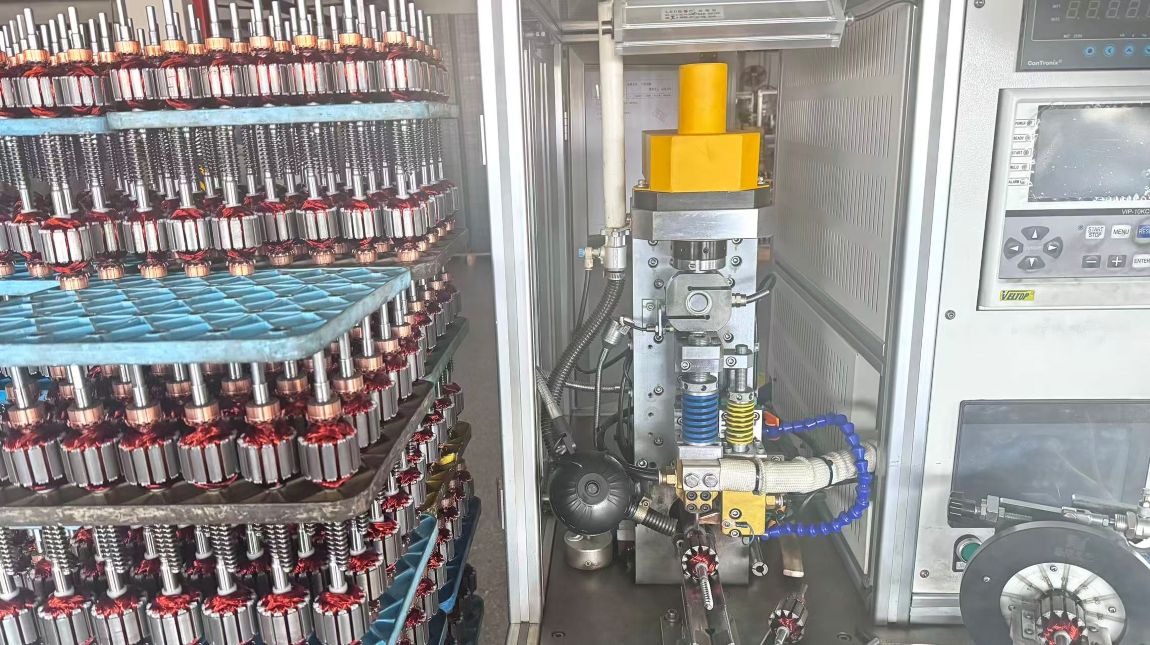
Analyzing key variables for Japanese supply chain managers, engineering directors, and global OEMs.
For Japanese OEMs, inventory stockout represents a critical operational risk. Production lines utilizing custom gearmotors cannot easily transition to alternative geometries. We maintain deep reserves of modular raw castings, precision steel pinions, and wound armatures to respond to sudden demand shifts.
Our rapid-fulfillment logistics program matches standard Japanese customs clearance protocols. Whether shipping via Sea Freight to the Port of Tokyo or Express Air Freight to Kansai International Airport (KIX), we handle all necessary certificate generation to streamline transit times.
Japanese engineers design applications around strict mechanical tolerances, low acoustic footprints, and long MTBF (Mean Time Between Failures) parameters. We select dynamic core components—such as high-conductivity oxygen-free copper wire, durable neodymium-iron-boron magnets, and performance carbon brushes—to meet these expectations.
Our Quality Management team validates shaft concentricity, mounting hole positions, and torque curves before shipment to ensure that every motor operates within designed limits.
We provide structural customizability on standard in-stock platforms. Our engineering team modifies output shafts (D-cuts, keyways, cross-holes), changes wiring harness terminations, and integrates optical or magnetic encoders to meet application requirements.
This hybrid approach combines the speed of off-the-shelf inventory with the precision of custom engineering, providing a reliable alternative for Japanese developers.
Over-reliance on a single geographic supply cluster is a vulnerability in modern production planning. Establishing a primary or secondary supply channel with our ISO-certified facilities allows organizations to hedge operational and cost risks effectively.
We provide stable pricing structures that protect Japanese buyers from currency volatility and material cost fluctuations.
Specialized motor designs optimized for integration into modern Japanese technical systems.
Whether integrated into automated blood pressure monitors, clinical diagnostics systems, or laboratory mixers, our micro motors deliver reliable torque and speed control. Compact form factors, such as our 12mm and 22mm planetary gear systems, enable precise placement within space-restricted medical devices.
The transition of residential housing in Tokyo and Osaka to keyless security demands reliable, low-draw actuators. Our custom battery-powered micro geared systems provide high peak torque to throw deadbolts while maintaining low standby current draw to maximize battery longevity.
Japan boasts a high density of automated vending machines. These units require robust, quiet actuators to handle continuous operational cycles. Our high-torque planetary and shaded-pole motors are designed to operate reliably in varying environmental conditions.
Modern warehouse facilities in Tokyo and Nagoya rely on compact drive units for material handling systems. Our 28mm and 37mm planetary geared motors with integrated encoders deliver the positioning accuracy and holding torque required for continuous operation.
Continuous evolution of micro-motion technology to align with next-generation applications.
Our R&D division is expanding the integration of sensorless and hall-effect BLDC motors. This shift offers significant benefits to Japanese electronics manufacturers by reducing EM noise, improving heat dissipation, and extending system service life.
To support high-acceleration medical and defense devices, we are scaling production of slotless (coreless) rotor motors. This design eliminates cogging torque, resulting in smooth rotation even at minimal operating speeds.
In step with Japan’s environmental initiatives, we are optimizing material utilization in our motors. We ensure compliance with updated RoHS directives, REACH standards, and waste reduction protocols throughout the manufacturing cycle.
Explore our additional range of specialized motors, featuring custom shafts, encoders, and gear ratios built to order.
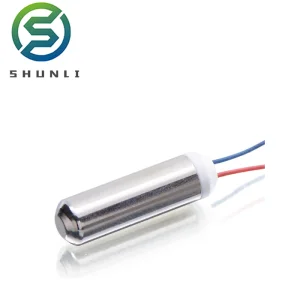
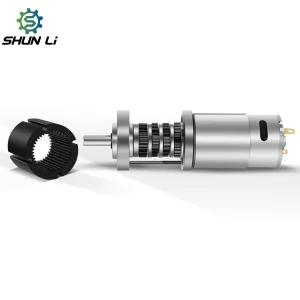
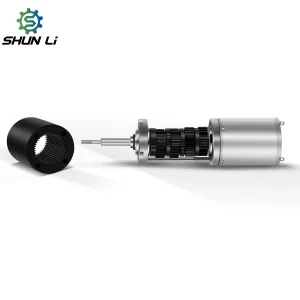
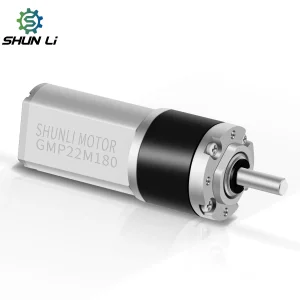
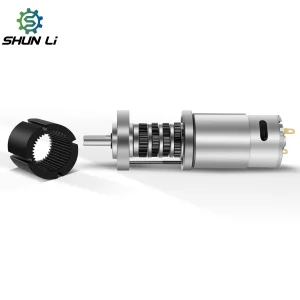
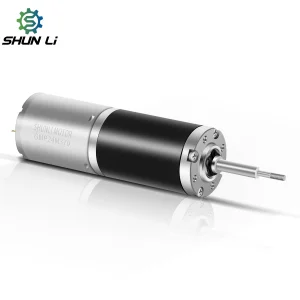
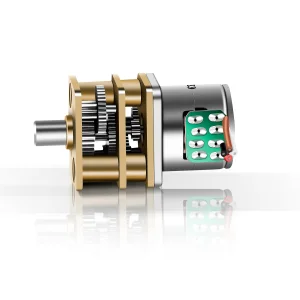
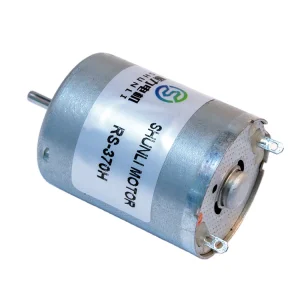
We maintain customized stock reserves for the following specialized models to support urgent engineering revisions.
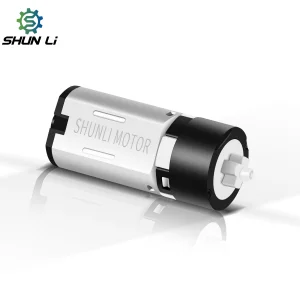
Clear answers to key regulatory, design, and logistics questions from our engineering team.
 MicroDyn Motor