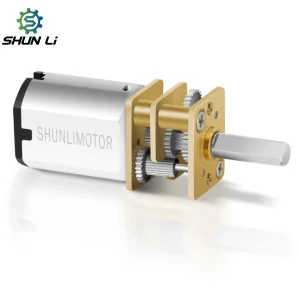
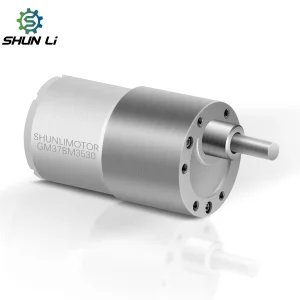
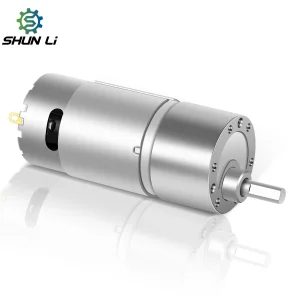
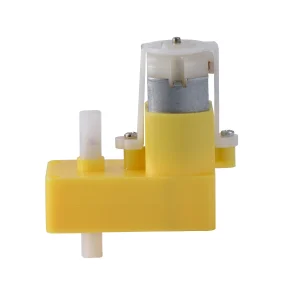
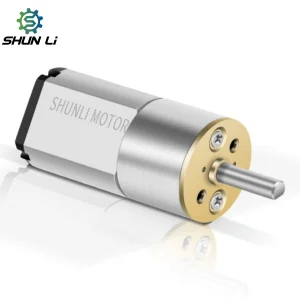
Yellow Dc Gear Motor with Plastic Wheels of Toy Car

Product Description

Premium Grade

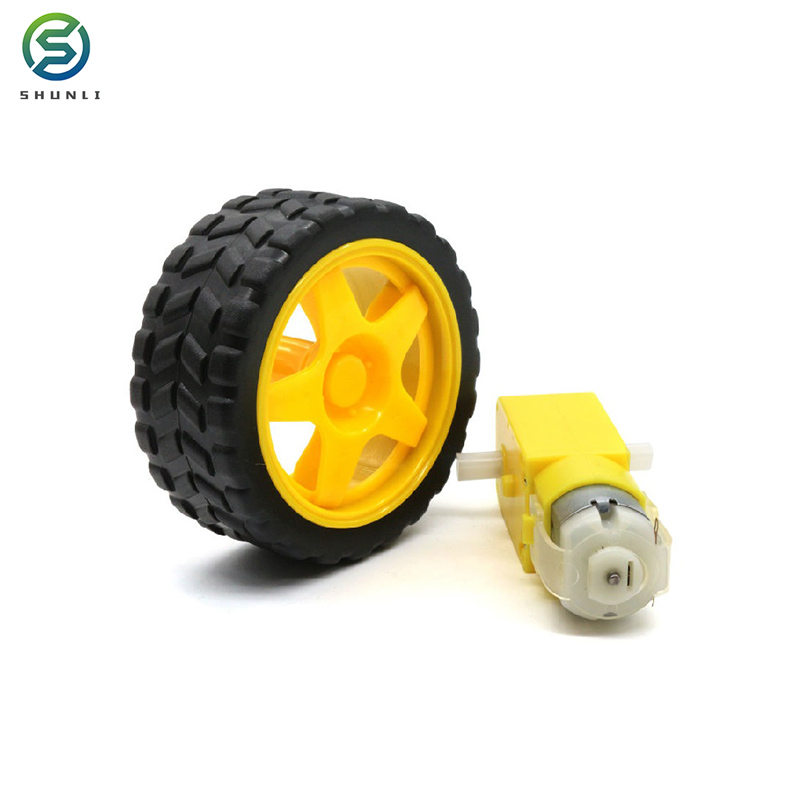
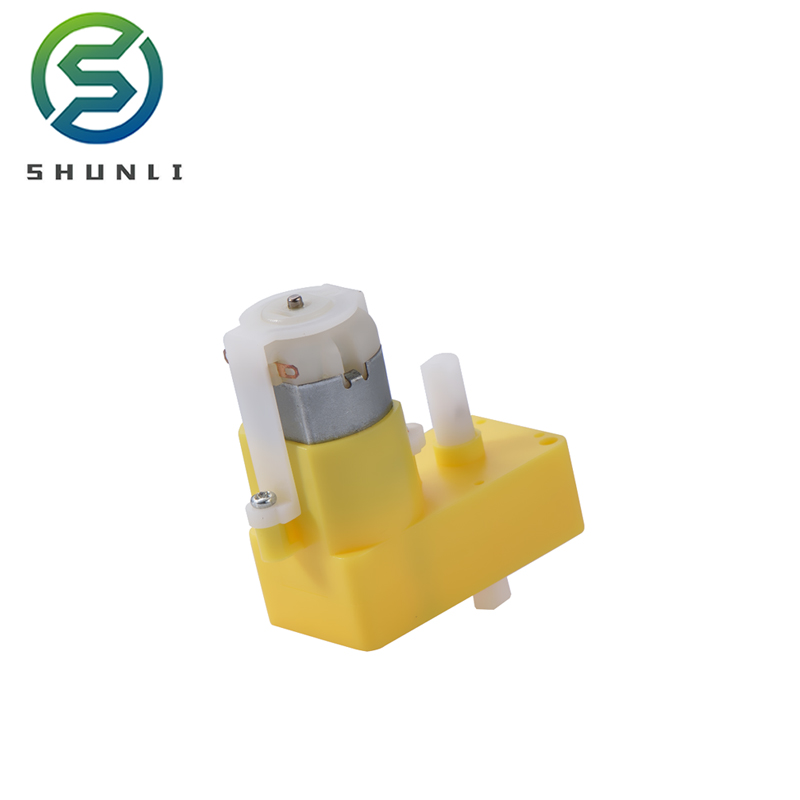
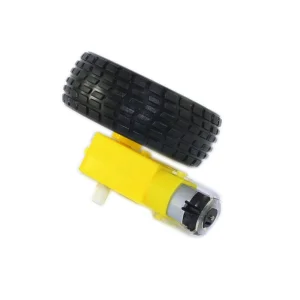
Yellow DC Gear Motor with Plastic Wheels of Toy Car

Yellow Dc Gear Motor with Plastic Wheels of Toy Car
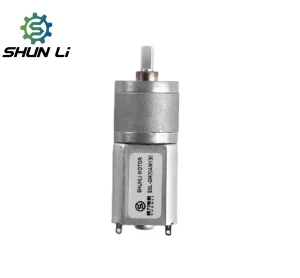
Yellow Dc Gear Motor Layout Banner
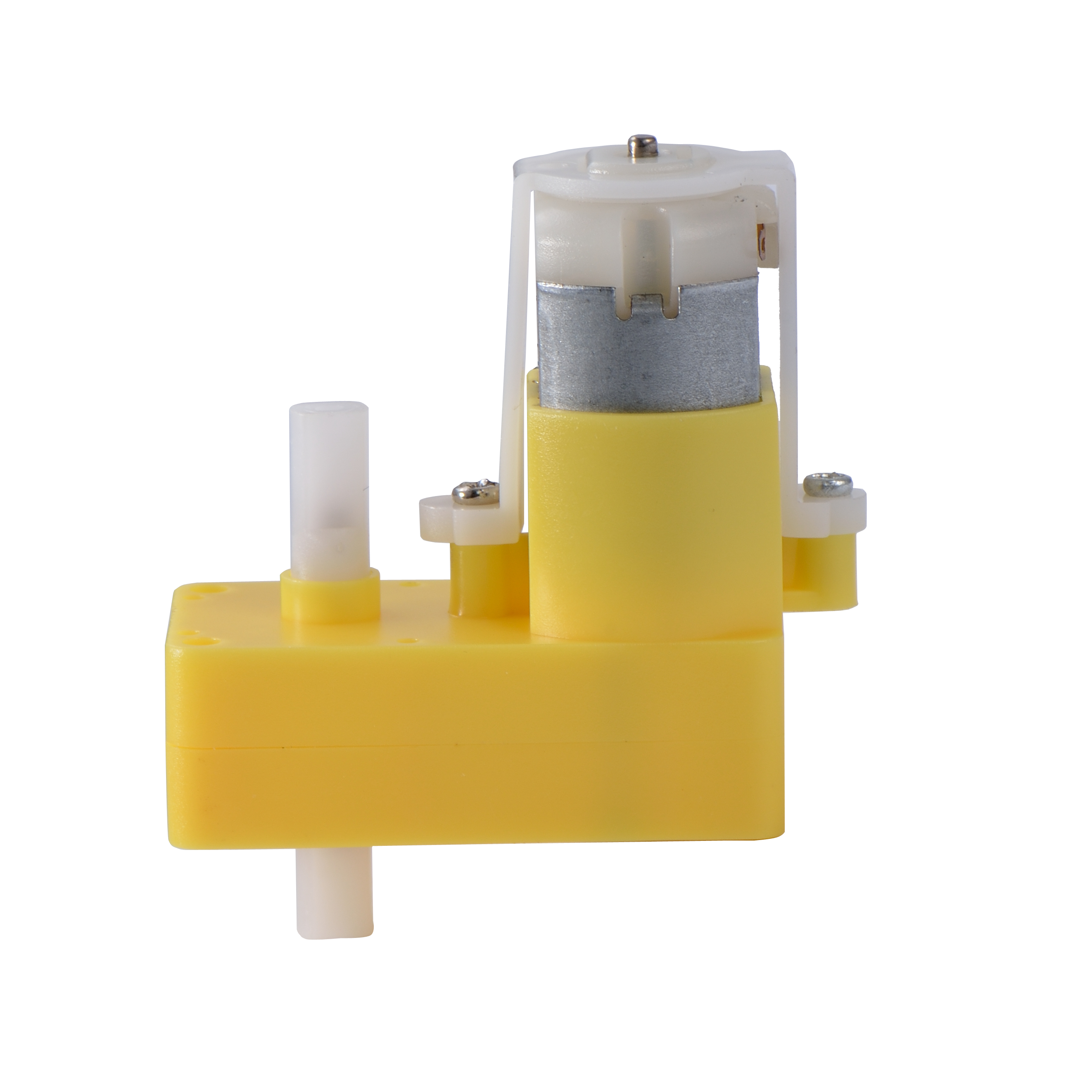
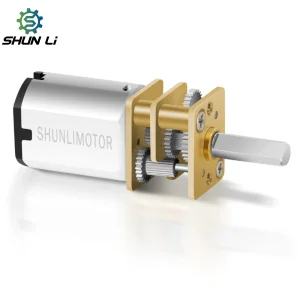
Yellow Dc Gear Motor Side View
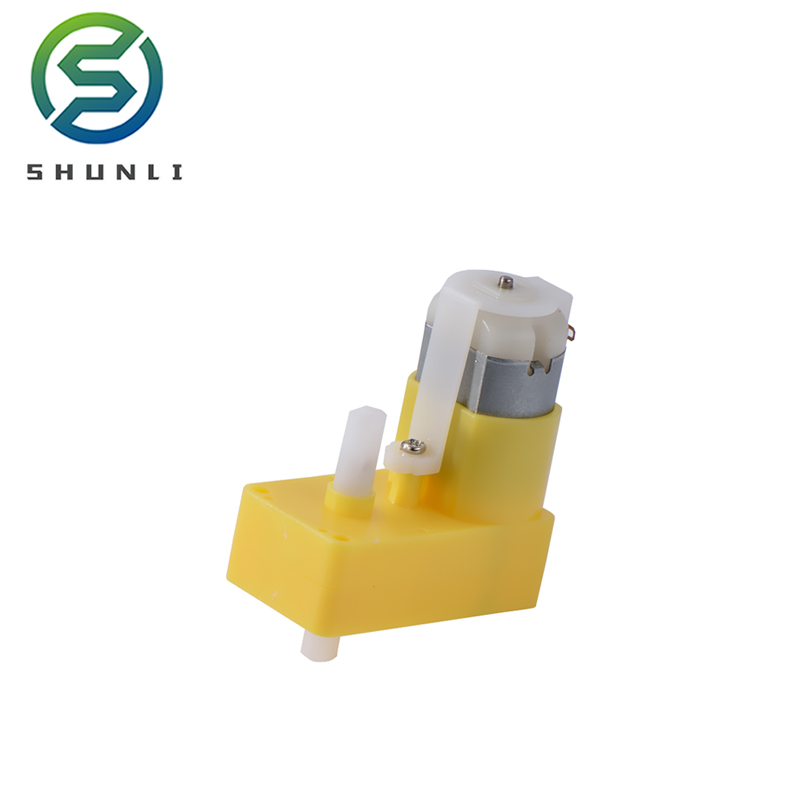
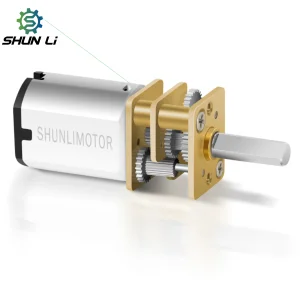
Yellow Dc Gear Motor Angle View

Technical Specifications & Characters

Model Voltage No-load Load Stall
Working Voltage Rated voltage Speed Current Speed Current Torque Power output Stall torque Current
V rpm A rpm A N.m Kg.m W N.m Kg.m A
SGP01S-A130-14150-120 3-12.0V 4.5 100 0.2 87 0.5 0.066 0.675 0.4 0.265 2.7 1.25
SGP01S-A130-18100-220 3-12.0V 3.0 50 0.2 40 0.3 0.120 1.233 0.6 0.393 4.003 2.15

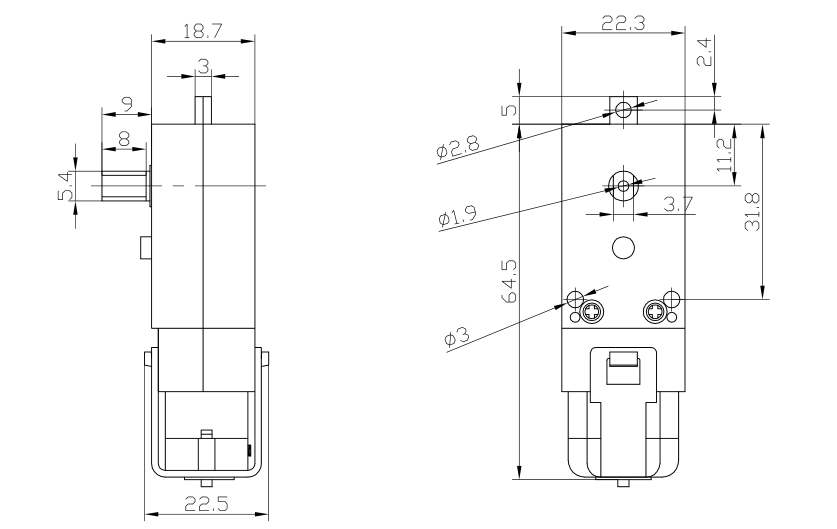
Dimensional Outline Drawing

Yellow Dc Gear Motor Technical Dimensions Chart

Product Gallery & Application Details

Yellow Dc Gear Motor Structure Details
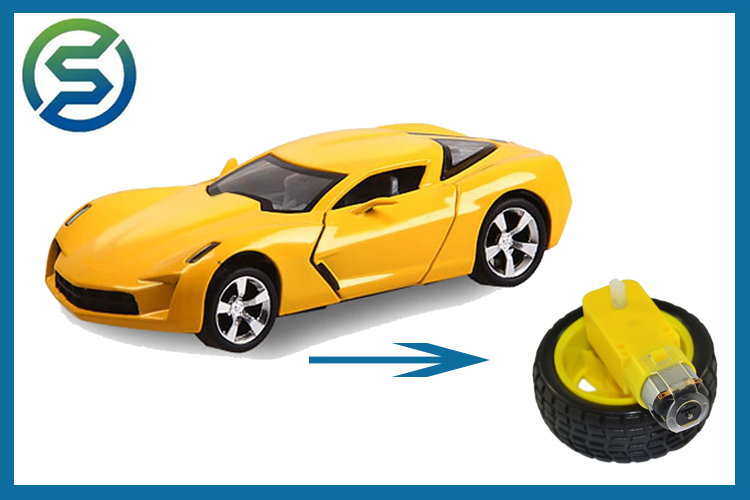
Toy Car Wheels Assembly
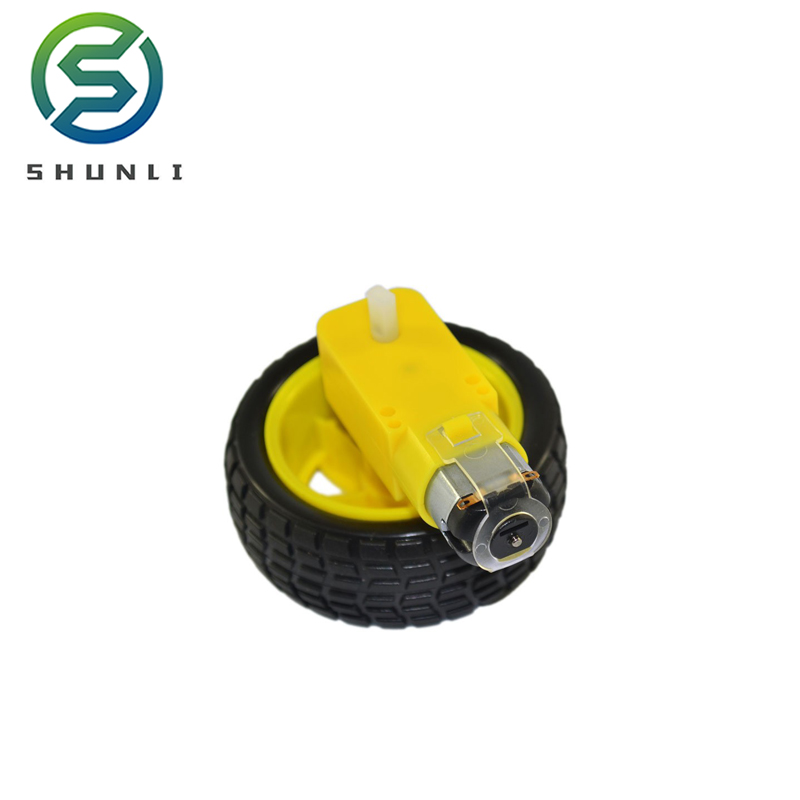
Motor Application Close Up
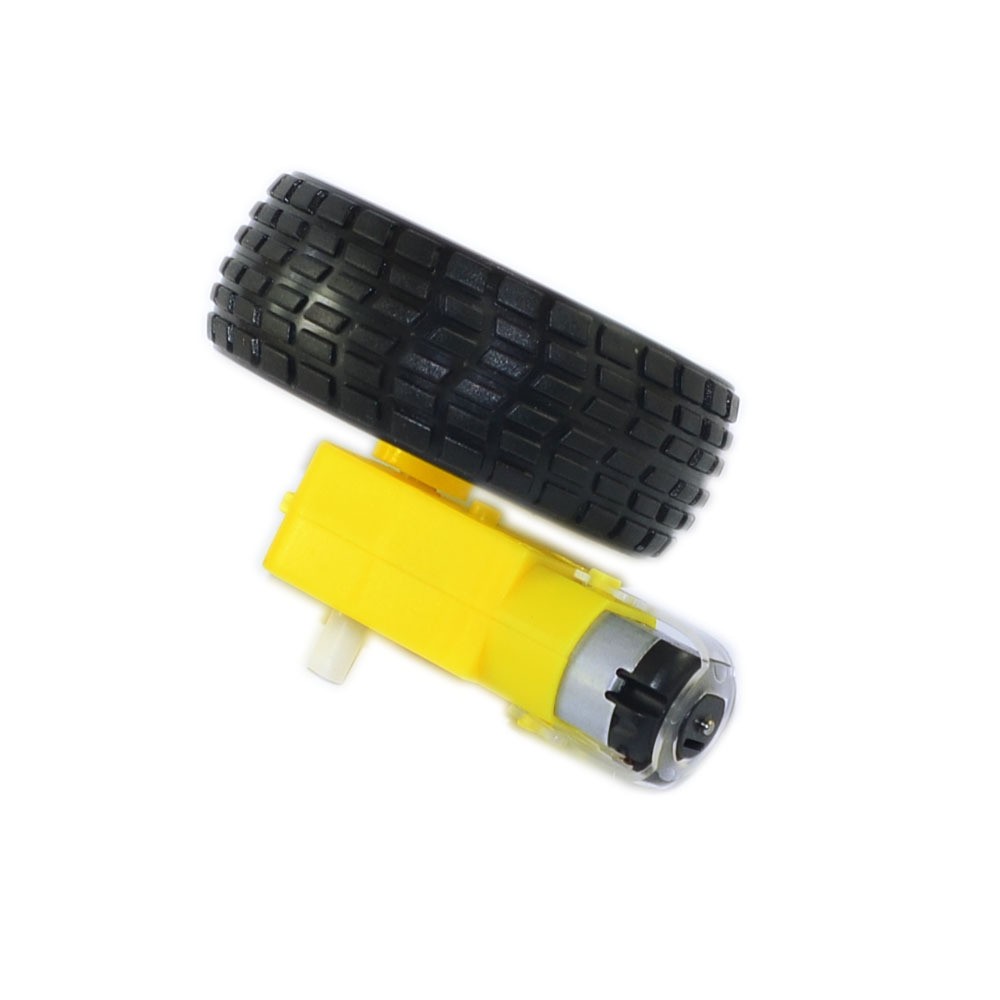
Plastic Wheels Fitment
Gear Box View
Complete Gear Motor and Wheel Package

Frequently Asked Questions (FAQ)

What is the operating voltage range of this yellow DC gear motor?
This DC gear motor has a flexible operating voltage range of 3.0V to 12.0V DC, making it compatible with various battery configurations and microcontrollers.
What are the typical applications for this motor?
It is widely used in DIY smart toy cars, robotics projects, educational kits, obstacle avoidance cars, and other mobile platforms requiring compact gear drive systems.
How do the SGP01S-A130-14150-120 and SGP01S-A130-18100-220 models differ?
The 14150 model provides a higher no-load speed of 100 rpm under a 4.5V rated voltage, while the 18100 model runs at 50 rpm under a 3.0V rated voltage with higher load torque performance. Refer to our specification table for complete performance comparisons.
Are the plastic wheels durable enough for outdoor use?
The plastic wheels are optimized for indoor environments, classrooms, and smooth flat surfaces. While they can handle light outdoor conditions, rough terrains may wear down the plastic tread over time.
Can these motors be directly controlled by an Arduino?
Due to the current draw of DC motors, it is highly recommended to use an external motor driver (such as L298N, L293D, or TB6612FNG) between the microcontroller and the motor to prevent overloading the board.

Related Products