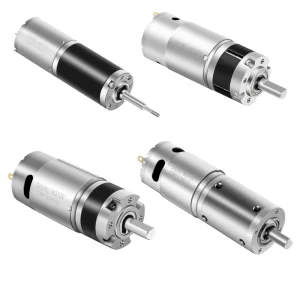
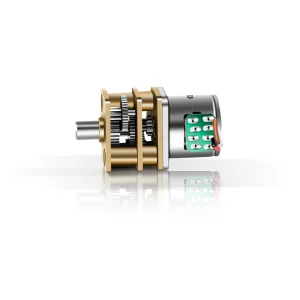
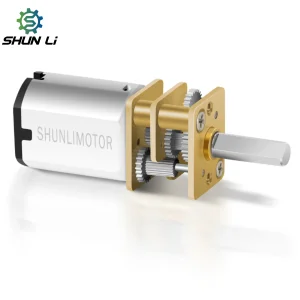
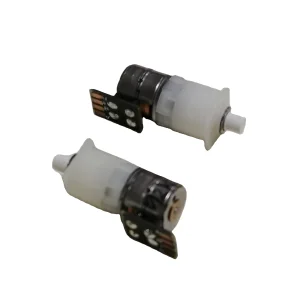
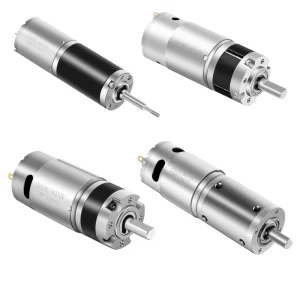
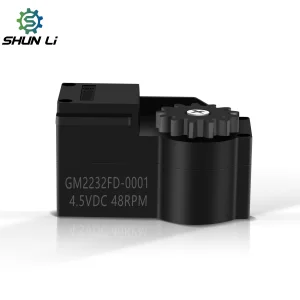
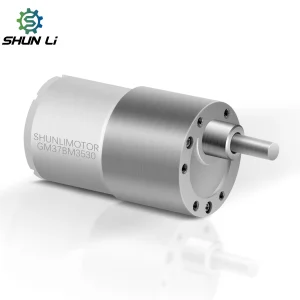
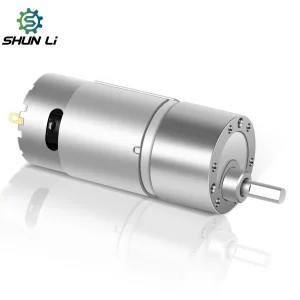
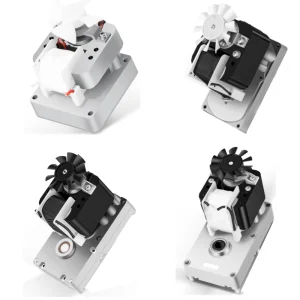
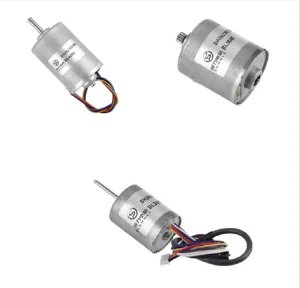
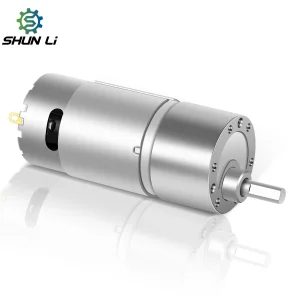
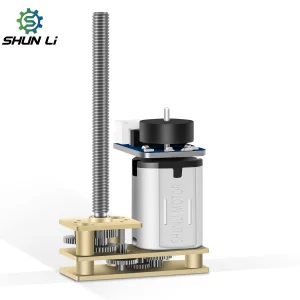
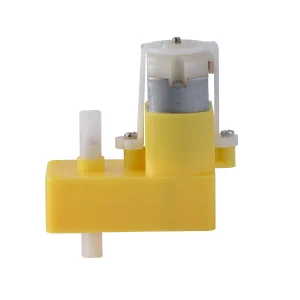
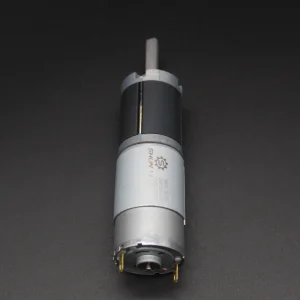
Explore our top-performing custom miniature brushless DC, stepping, and gear motors engineered for industrial and intelligent systems.
Who We Are: MicroDyn Motor is a specialized High-Tech China factory established in 2006, dedicated to engineering advanced Micro DC, Gear, and Brushless (BLDC) motors. Over nearly two decades of intensive R&D, we have evolved from a local component workshop into an internationally recognized manufacturer providing comprehensive rotary and linear motion control systems.
What We Believe: The heart of every great machine is its MicroDyn Motor. If the MicroDyn Motor fails, innovation stops. That is why we engineer every drive with industrial-grade margins—ensuring higher torque, lower noise, and longer operational lifespans than standard commercial alternatives. Our commitment to strict design tolerances and dynamic reliability ensures that your critical equipment remains operational under harsh conditions.
How We Serve You: We bridge the gap between design and volume. Through 100% custom engineering (modifying shafts, voltages, encoders, and gear ratios) and scalable automated production, we supply global OEMs with the exact motion control they need, delivered direct from the source.
By choosing MicroDyn Motor, you secure direct-to-factory engineering collaborations. We eliminate high intermediary costs and supply bottlenecks through streamlined prototyping, fully automated winding capabilities, and structural customizability. Whether you require micro-stepping adjustments for precise telemetry or high-reduction planetary gears for high load capacities, our design team executes layout variations rapidly to match your project timelines.
In the contemporary industrial ecosystem, global original equipment manufacturers (OEMs) face intensifying pressure to balance precision, torque density, and unit cost. The shift toward intelligent decentralization in robotics, medical instrumentation, and automation demands highly specialized stepper motor and micro gear motor technologies. Global procurement teams are moving away from off-the-shelf catalog motors toward customized, co-engineered drive configurations.
When evaluating a China stepper motor manufacturer and supplier, modern procurement directives prioritize several core metrics: supply chain resilience, consistency of electromagnetic performance across batches, and direct access to production-level engineering support. MicroDyn Motor addresses these industry challenges by executing localized customization loops that integrate directly with our clients' hardware sprints.
Miniature motion systems are no longer isolated mechanical parts; they serve as critical nodes within complex smart architectures. Here is how MicroDyn Motor implements targeted solutions across four crucial macro-industrial segments:
Modern diagnostic instruments, liquid handling stations, and automated pipettes require micro-stepping technologies that prevent vibration-induced fluid disruption. Our ultra-compact stepper gear motors (such as the 6mm and 15mm micro-steppers) feature customized multi-stage planetary gearboxes. By implementing tight tolerances on rotor-stator alignment, we suppress low-speed harmonic resonance, allowing smooth fluid deposition and high-accuracy test tube positioning.
High-definition PTZ (Pan-Tilt-Zoom) surveillance systems, thermal cameras, and smart building access controllers demand silent, low-vibration stepping at low speeds. Our 5V 15mm Micro Security Stepper Motor provides reliable step resolution with extremely low detent torque. This ensures jitter-free camera pan movement and long-term positioning retention without constant drive excitation, saving system-level energy.
Intelligent locking mechanisms in smart homes and commercial environments demand high peak torque outputs within highly constrained radial envelopes. The N20 DC micro gear motor series and small low-speed gearboxes (1.5V to 12V configurations) are engineered with reinforced steel gears and high-quality brushes to survive up to 500,000 load cycles. Modified output shafts (D-cut, threaded, or custom flat keys) integrate directly into proprietary lock cylinders.
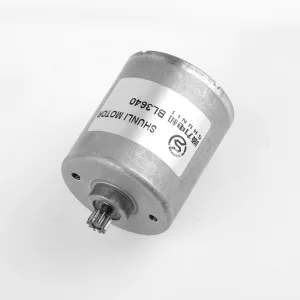
For robotic articulation, exoskeleton joints, and automated guided vehicles (AGVs), brushless planetary gear motors represent the pinnacle of power density. The 36mm High Torque Brushless (BLDC) Planetary Gear Motor delivers up to 3N.m of torque, allowing developers to design smaller joint housings while sustaining high radial and axial force loads. Integrated magnetic or optical encoders provide real-time angular feedback for closed-loop motion control.
| Motor Series | Typical Voltage | Torque Range | Key Application Focus | Customization Options |
|---|---|---|---|---|
| Micro Stepper (6mm-15mm) | 3.3V - 5V DC | 0.5mN.m - 10mN.m | PTZ Cameras, Medical Optics | Lead screws, Pinions, FPC |
| N20 Gear Motor Series | 1.5V - 12V DC | 0.1Nm - 0.8Nm | Smart Locks, Vending, Valves | Shaft length, Gear ratio, Encoder |
| 36mm BLDC Planetary | 12V - 24V DC | 1.0Nm - 3.0Nm | Robotic Joints, Cobots, AGVs | Integrated Driver, Brake, Encoder |
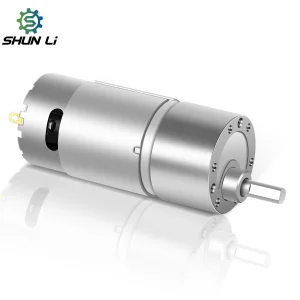
| 37GB DC Gear Motor | 12V - 24V DC | 0.5Nm - 5.0Nm | Sliding Gates, Barrier Controls | Custom windings, Carbon brushes |
The technical roadmap of stepping and miniature DC drive technologies is evolving along three critical paths: integration, optimization, and sustainability. As smart factories scale globally, there is a distinct shift from discrete motor-plus-driver setups toward fully integrated smart actuators.
Conventional open-loop stepper motors run the risk of losing steps when experiencing abrupt load shifts. By integrating high-resolution magnetic rotary encoders (such as 12-bit or 14-bit absolute encoders) directly onto the motor end-bell, stepper motors can operate as high-pole brushless servo systems. This closed-loop approach, utilizing Field-Oriented Control (FOC) algorithms, drastically reduces heat generation, eliminates step loss, and scales down power consumption by dynamically regulating phase current based on load demand.
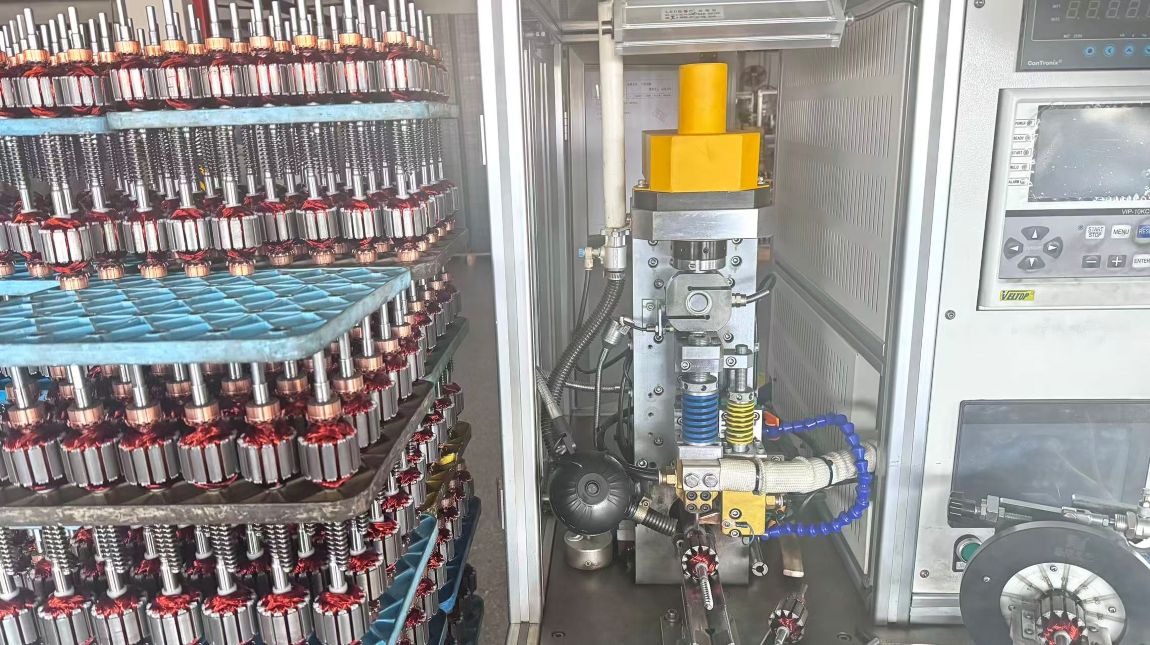
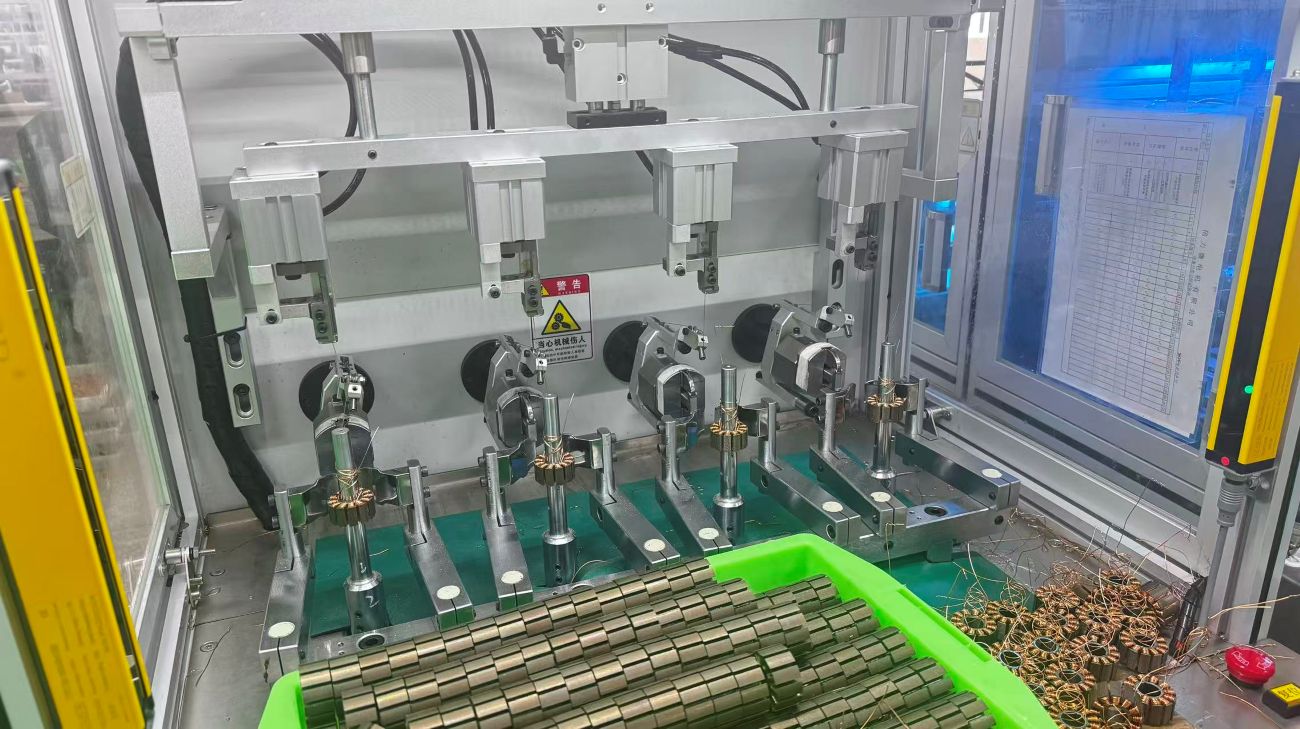
To push the limits of torque output in compact packages, MicroDyn Motor optimizes stator laminations and implements automated high-density needle winding. Leveraging high-coercivity rare-earth neodymium (NdFeB) magnets, our motors maximize flux linkage across the stator-rotor air gap. Advanced adhesive bonding techniques secure rotor magnets under high speed and thermal stress conditions, minimizing centrifugal displacement risks.
Sustainable industrialization demands that motors run cooler and with minimal energy losses. By optimizing internal magnetic paths and reducing iron and copper losses, MicroDyn Motor designs products that meet the highest environmental directives. Lower internal thermal dissipation also extends bearing and lubricant life, directly improving the MTBF (Mean Time Between Failures) of the entire application.
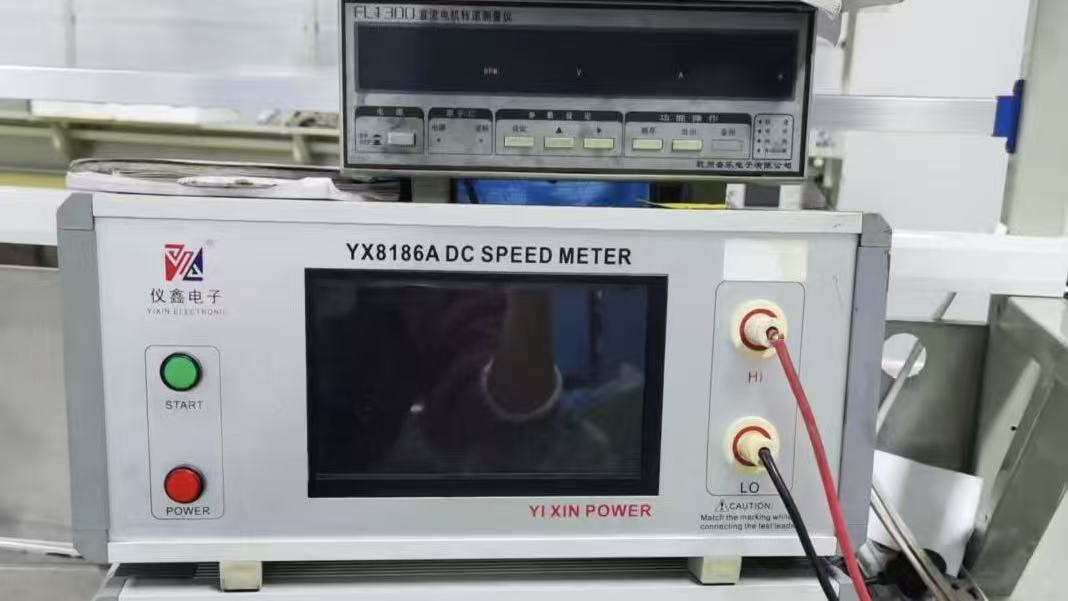
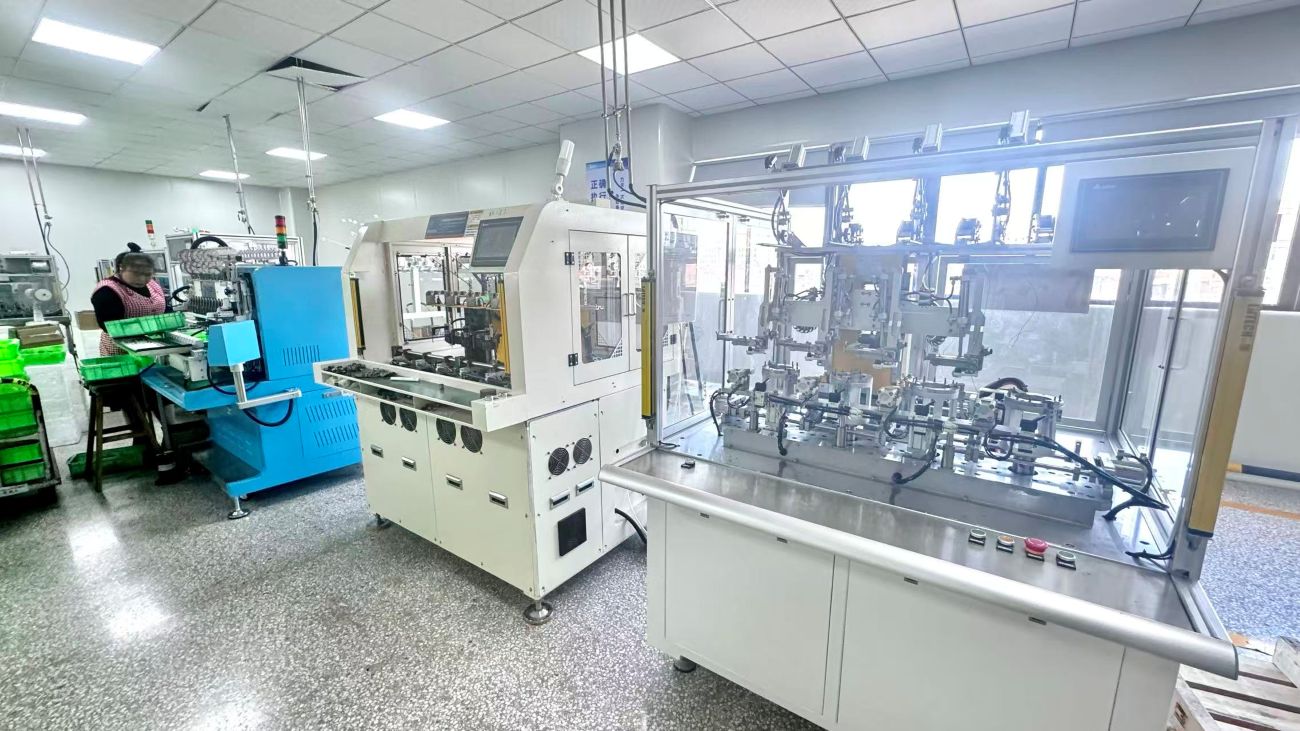
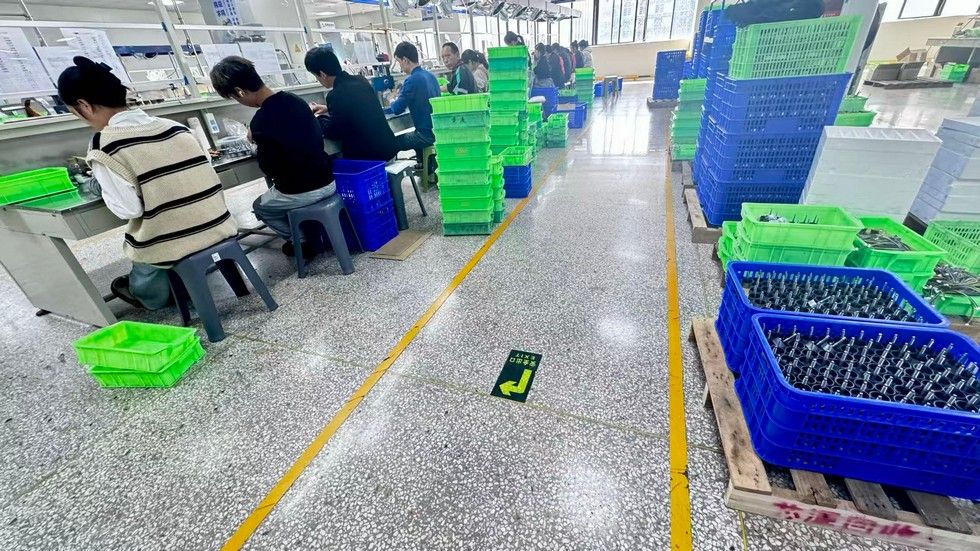
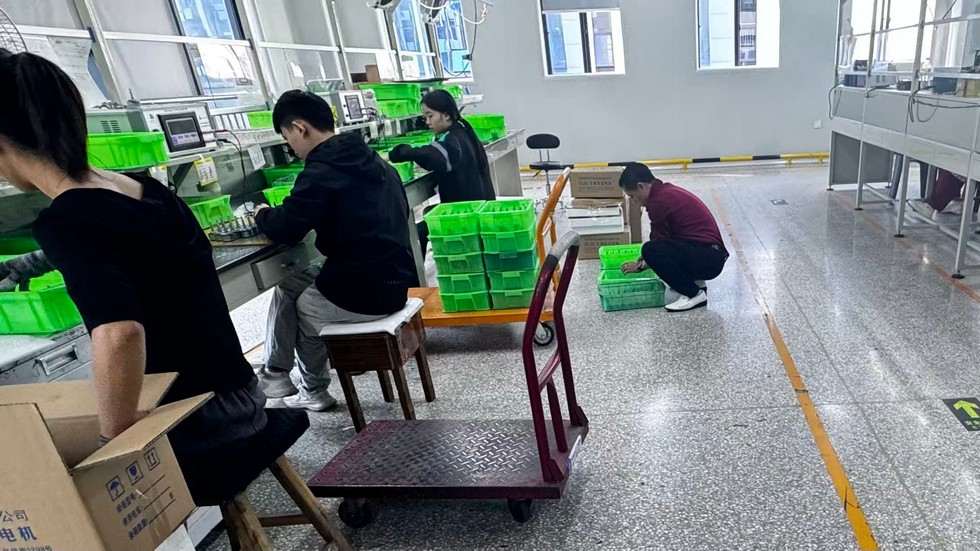
A glimpse inside the MicroDyn Motor factory, showcasing our rigorous production phases, automated lines, and precision testing protocols.

Engineering miniature motors requires absolute confidence in global regulatory compliance and material safety. As an international supplier, MicroDyn Motor establishes a complete documentation trail to streamline our clients' localized certification procedures.
All micro gear motors, brushless DC motors, and stepper assemblies manufactured at our facility adhere strictly to the following standards:
We also understand that dynamic supply chain solutions are just as critical as manufacturing precision. Through our global freight forwarding network, we offer flexible shipping arrangements (FOB, CIF, DDP, DAP) and provide local support channels to address mechanical, electrical, or software adaptation challenges on short notice.
Deep engineering answers to help you select, integrate, and optimize micro motors for your automation projects.
 MicroDyn Motor