Who We Are:
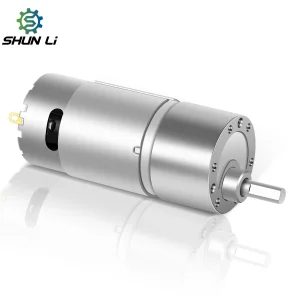
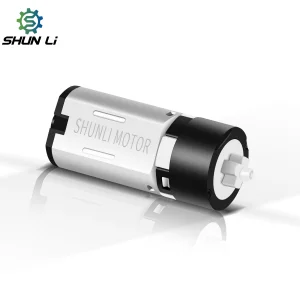
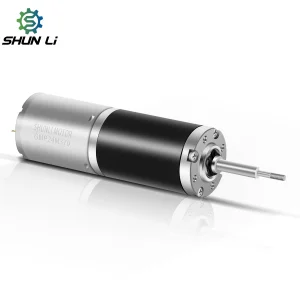
MicroDyn Motor is a specialized High-Tech China factory established in 2006, dedicated to engineering advanced Micro DC, Gear, and Brushless (BLDC) motors. Over nearly two decades of precision manufacturing, we have evolved from a localized supplier into a global powerhouse, providing elite OEM and ODM motion control designs to top-tier enterprises across six continents.
What We Believe:
The heart of every great machine is its MicroDyn Motor. If the MicroDyn Motor fails, innovation stops. That is why we engineer every drive with industrial-grade margins—ensuring higher torque, lower noise, and longer operational lifespans than standard commercial alternatives. Our engineering team views mechanical friction and electromagnetic loss not just as variables to manage, but as targets to actively minimize.
How We Serve You:
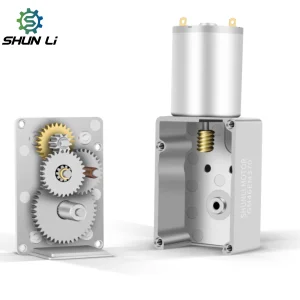
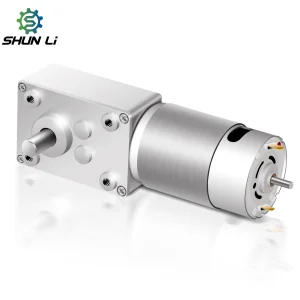
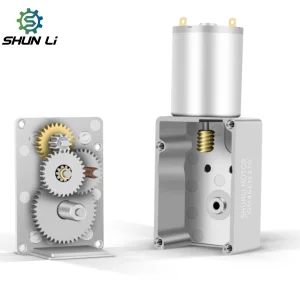
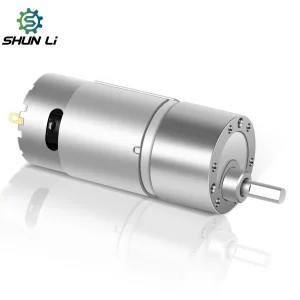
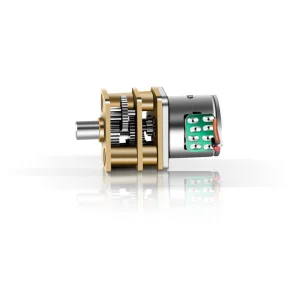
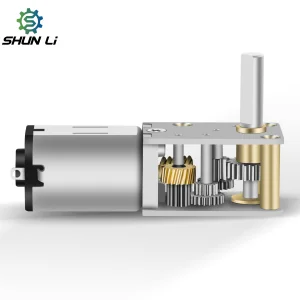
We bridge the gap between design and volume. Through 100% custom engineering (modifying shafts, voltages, magnetic materials, integrated encoders, and customized planetary/worm gearboxes) and scalable automated production, we supply global OEMs with the exact motion control they need, delivered direct from the source. Our collaborative design process accelerates time-to-market while reducing technical integration risks.
Aligning advanced drive engineering with global demands for systemic energy efficiency and smart electrification.
Industrial policies and eco-design directives (such as the EU ErP regulations and US DoE rules) mandate unprecedented operational efficiency. Our high-density permanent magnet synchronous topologies minimize energy draw, converting electrical input to rotational torque at up to 92% system efficiency.
Global logistics demand localized adaptability. MicroDyn Motor manages dual-source raw-material security (especially rare earth neodymium magnets) ensuring constant manufacturing output even during supply shocks, backed by our strategic ports access in Eastern China.
Modern micro-drives are no longer dumb components; they are core IoT edges. By incorporating embedded digital encoders and customized Hall sensor PCB arrays directly inside our brushless motors, we enable real-time velocity, positioning, and directional diagnostics.
The performance threshold of a Permanent Magnet Direct Current (PMDC) or Brushless (BLDC) motor is directly governed by its magnetic circuit design. We utilize sintered NdFeB (Neodymium-Iron-Boron) magnets with high intrinsic coercivity (Hci) to eliminate the risk of demagnetization under heavy overload or high thermal stress.
By optimizing slot-pole configurations (such as 9-slot 6-pole or 12-slot 8-pole designs), we suppress cogging torque—reducing mechanical vibration, optimizing acoustic profiles, and ensuring smooth low-speed resolution.
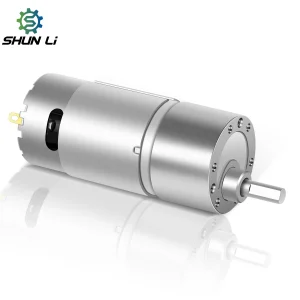
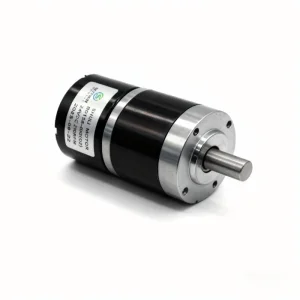
To assist mechanical engineers in selecting the correct torque multiplier, we evaluate our core offerings:
| Parameters | Planetary Gearboxes | Worm Gearboxes |
|---|---|---|
| Efficiency | High (80% - 95%) | Moderate (45% - 75%) |
| Output Torque | Symmetric, High Density | Self-locking, Impact-resistant |
| Backlash | Very Low (<1° - 2.5°) | Inherent Backlash Profile |
| Shaft Orientation | Coaxial / Inline | Right-Angle (90 Degree) |
Note: Precision modifications to shaft profiles (D-shape, round, keyed, or hollow) and customized synthetic gear material blends (e.g., POM to Steel) can be engineered for specific operational environments.
Our ISO-compliant Chinese manufacturing plant integrates precision machinery, strict quality testing, and climate-controlled storage to guarantee error-free volume execution.
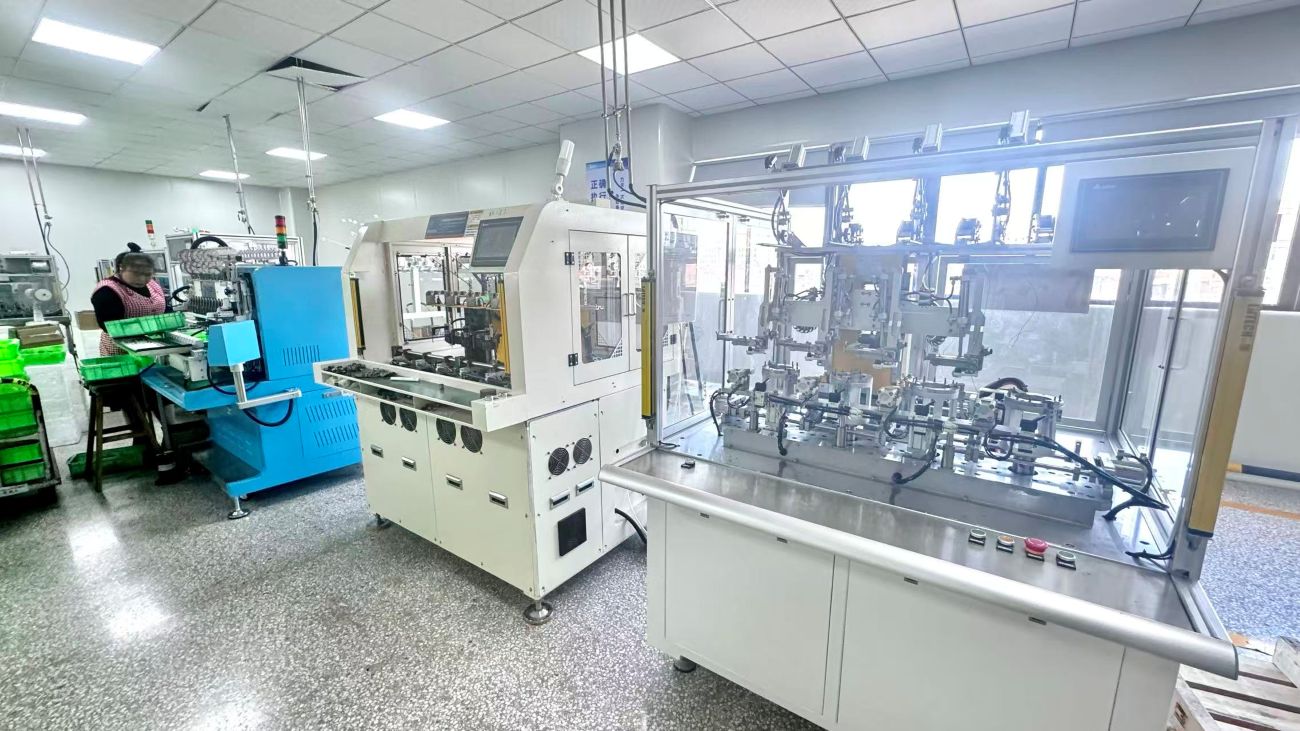
Ensuring tight copper fill factor, consistent resistance across phases, and zero insulative layer damage for high electrical reliability.
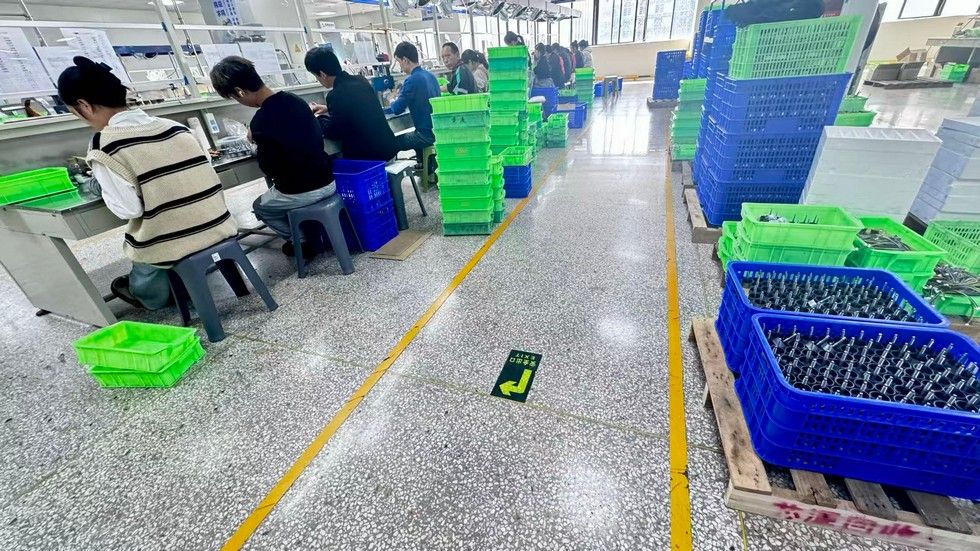
Rotor alignment, bearing integration, and housing assembly executed under dust-free conditions to minimize starting friction.
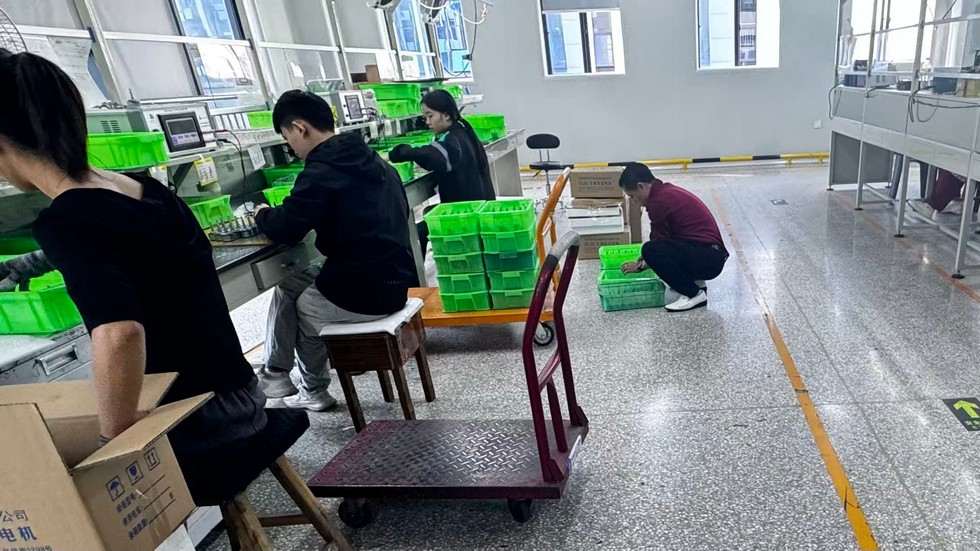
Every batch is evaluated for no-load current, nominal speed, phase configuration, and output noise thresholds prior to packaging.

Protecting raw steel housings, critical rare earth alloys, and sub-assemblies from moisture, oxidation, and particulate buildup.
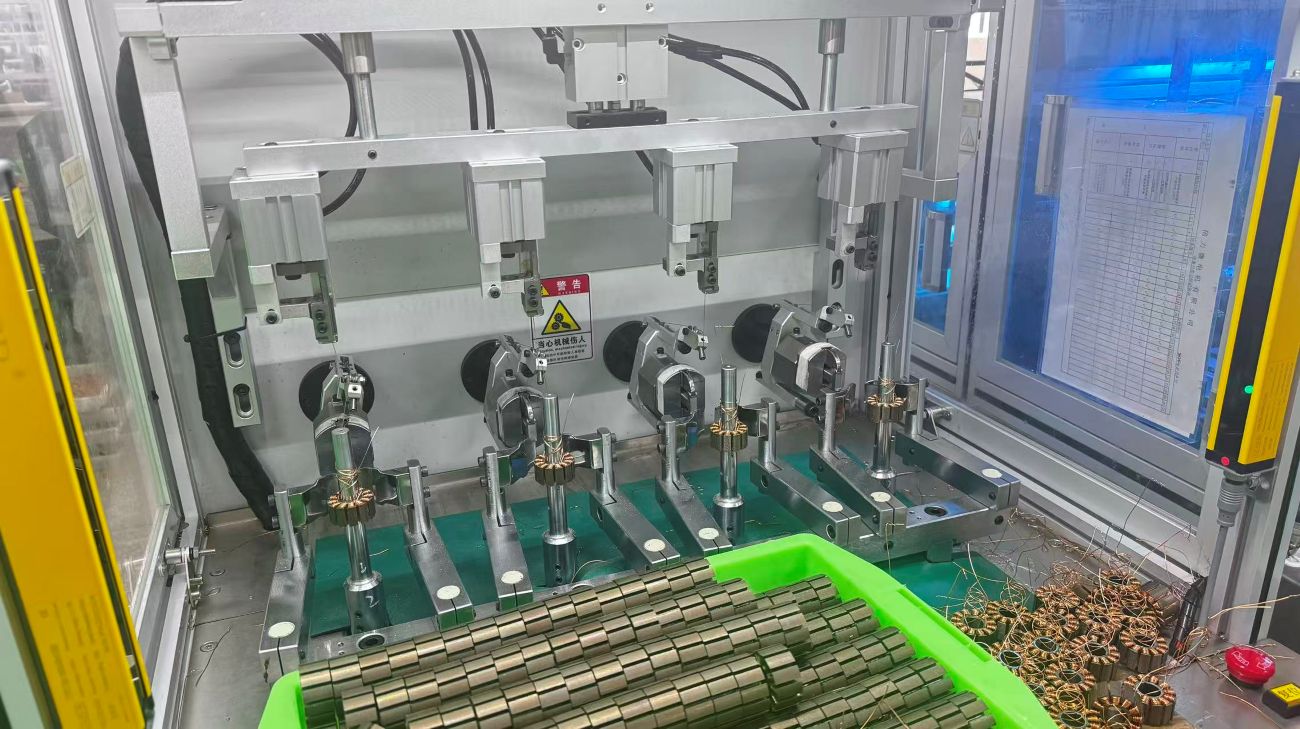
Advanced high-speed automated winding stations minimize manual tolerances, guaranteeing absolute uniformity in batch-to-batch inductance.
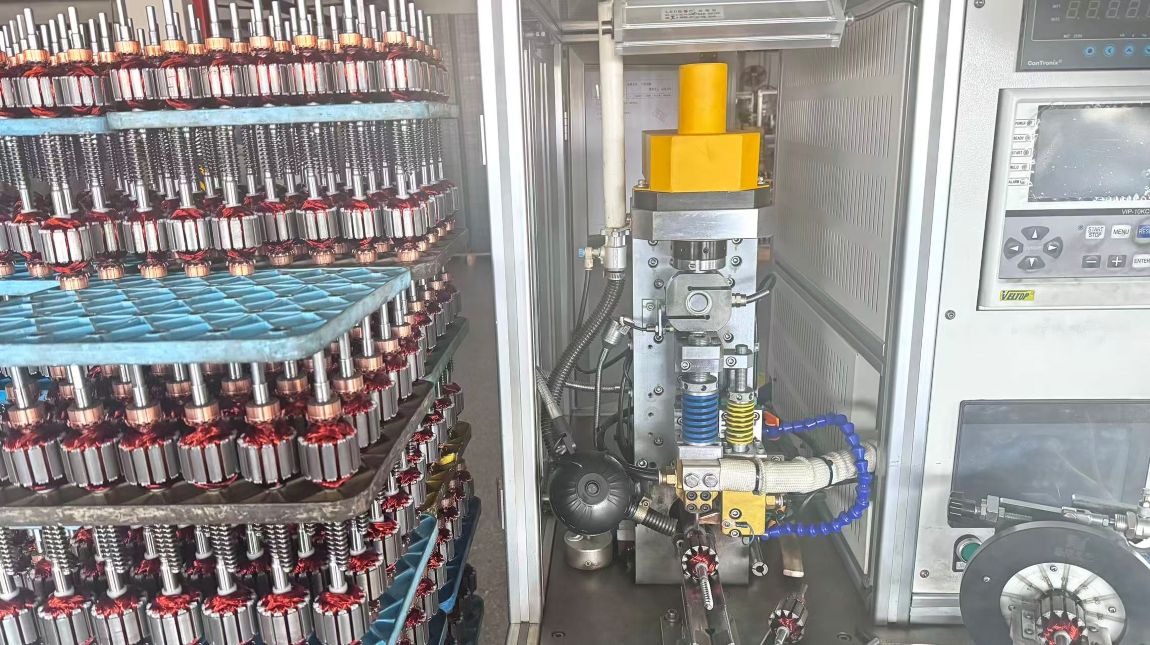
Using advanced spot welding arrays (alongside secondary systems like 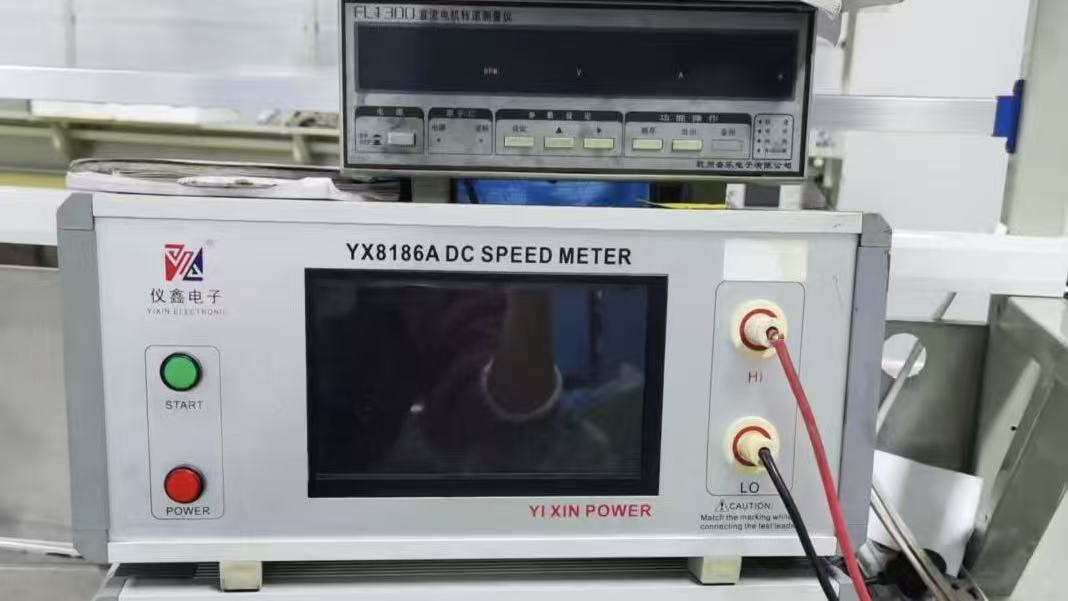 ) to create indestructible structural bonds at critical electrical junctions.
From modern vending systems to life-saving medical devices, we customize output profiles to match real-world dynamics.
Coffee grinders, cup dispensers, and liquid valves require constant RPM under changing viscosity. Our 37mm gearbox configurations offer high stall-torque resilience, ensuring trouble-free mechanical performance for critical retail systems.
Non-invasive clinical apparatuses (such as blood pressure monitors, drug delivery systems, and dental actuators) require ultra-low acoustic outputs and clean EMF profiles. We design miniature brushless core configurations that meet these cleanroom requirements.
Motorized window treatments, automated lock mechanisms, and fireplace dampers operate in residential spaces. Our compact, right-angle worm gear motors optimize physical dimensions while achieving excellent self-locking profiles for maximum system safety.
MicroDyn Motor remains at the forefront of kinetic engineering. We actively reinvest 8% of our yearly revenue into research and development to address three major micro-drive vectors:
Developing customized hybrid anisotropic magnets that reduce dependence on heavy rare earths (such as Dysprosium) while retaining class-leading energy products (BHmax).
Integrating dynamic, algorithm-driven microcontrollers within the motor housing to evaluate back-EMF vectors, eliminating the need for physical Hall-effect PCBs.
Transitioning to high-temperature bio-sourced polymers to improve stator winding insulation ratings without emitting volatile organic compounds (VOCs) during curing.
MicroDyn drive performance evolution curve (Torque Density vs. Integration Level)
Deploying specialized sub-components into highly regulated industries (like aerospace, medical technology, and automotive drivetrains) requires absolute compliance. MicroDyn Motor maintains dynamic alignment with major worldwide standards committees.
Our dedicated engineering department helps you compile and structure crucial compliance documentation, including:
Do you have strict dimensional constraints, specific starting-torque requirements, or harsh environmental exposure profiles? Connect directly with our Chinese engineering team to request a customized design review.
"We do not just supply off-the-shelf motors; we collaborate with your technical design team to optimize the complete mechanical load profile."
- Technical Lead, MicroDyn Design Office
Addressing the core technical, electrical, and mechanical concerns of system integration engineers.
Neodymium magnets (NdFeB) are inherently susceptible to heat-induced magnetic loss. To counter this, we select high-coercivity grades (such as EH or AH series) that incorporate specialized dysprosium additives. These materials retain their magnetic domains even under operating temperatures exceeding 150°C. Additionally, we optimize housing heat dissipation profiles to keep stator winding temperatures within safe bounds.
Our brushless (BLDC) motors are limited only by the wear life of the precision ball bearings and synthetic lubricants, typically exceeding 20,000 operational hours under rated loads. Brushed PMDC motors, while highly cost-effective, are subject to carbon brush contact wear, typically achieving operational lifespans between 1,500 and 5,000 hours depending on current density, RPM, and environment.
Absolutely. We support customization for output shafts, including D-cuts, cross-drilled holes, splined profiles, external threads, and keyways. We can also customize shaft materials (such as SUS303, SUS304, or SUS416 stainless steels) to meet specific corrosion resistance or torque requirements.
Planetary gearboxes maintain high starting efficiency (often over 90%) due to rolling contact dynamics and multi-point load sharing. Worm gearboxes, which rely on sliding contact mechanics, exhibit lower starting efficiency (sometimes dropping below 50% for high reduction ratios). For applications requiring precise torque delivery on startup, we recommend choosing a planetary configuration.
 MicroDyn Motor