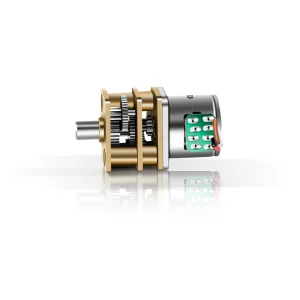
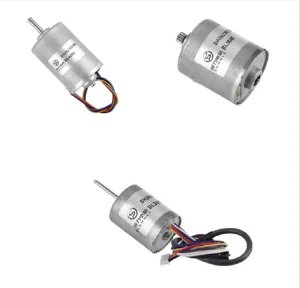
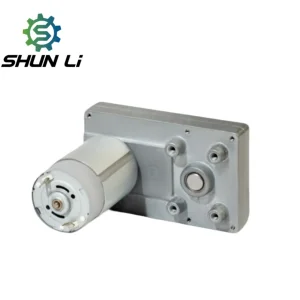
Optimized electromechanical components engineered for immediate integration into precision robotics, biotech instruments, and aerospace mechanisms throughout the Pacific Northwest.
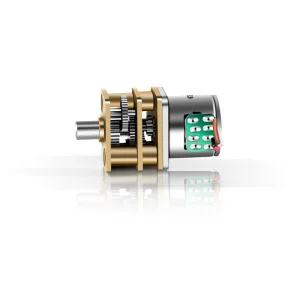
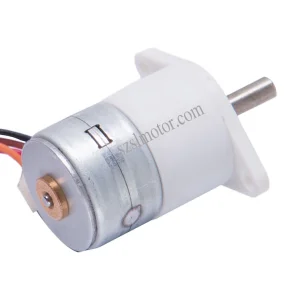
The Pacific Northwest, anchored by the Seattle metropolitan area, has evolved into a global powerhouse of technical complexity. While historically dominated by commercial aviation and aerospace heavyweights, the local ecosystem now spans cutting-edge satellite manufacturing (NewSpace), complex medical devices, warehouse automation robotics, and advanced clean marine tech. These diverse high-tech applications share a foundational dependency: the requirement for high-reliability miniature motion control components.
In aerospace hubs like Renton, Everett, and Kent, engineers are constantly pushing the limits of size, weight, and power (SWaP) budgets. Stepper and servo motors are used in key subsystems, including satellite solar array deployment systems, aerodynamic fin actuators for unmanned aerial vehicles (UAVs), and custom camera gimbals. Within the Seattle biotechnology corridors, such as South Lake Union and Bothell, precision medical devices—such as automated liquid handlers, modern microfluidic pumps, and orthopedic surgical drills—rely on sub-15mm motors with tight mechanical clearances to ensure diagnostic repeatability.
Procuring motors in the Seattle area presents a unique challenge for hardware startups and established OEMs alike. Local distributors typically focus on standard catalog parts with fixed NEMA frame dimensions, leaving engineers with few customization options. However, designing next-generation technology requires customized shaft geometry, tailored winding configurations to match specific battery voltages, and integrated encoders for position feedback. To bridge this gap, modern Seattle procurement strategies utilize a hybrid approach: local physical/digital engineering collaboration paired with direct manufacturing support from premier Chinese electromechanical factories, such as MicroDyn Motor.
The global precision motor sector is undergoing rapid evolution. Key drivers like industrial automation, smart agricultural machinery, green energy systems, and automotive electrification have caused a surge in demand for miniature DC brushed, brushless (BLDC), and stepper motors. Yet, standard manufacturing processes struggle to scale while maintaining strict quality metrics. This is where advanced Chinese manufacturers offer a critical competitive edge.
Choosing a direct Chinese factory like MicroDyn Motor delivers distinct advantages over regional Western distributors:
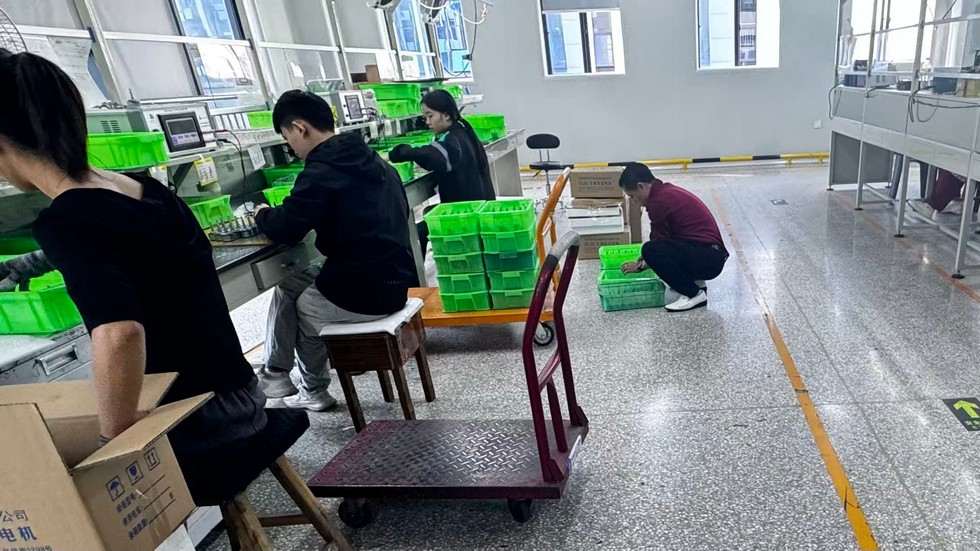
Who We Are: MicroDyn Motor is a specialized High-Tech China factory established in 2006, dedicated to engineering advanced Micro DC, Gear, and Brushless (BLDC) motors. Over nearly two decades, we have evolved from a local component manufacturer into a premier global OEM partner supplying high-performance motion solutions to customers worldwide.
What We Believe: The heart of every great machine is its MicroDyn Motor. If the motor fails, innovation stops. That is why we design and build every product with industrial-grade safety margins, ensuring higher torque, lower noise, and longer operational lifespans than standard commercial alternatives.
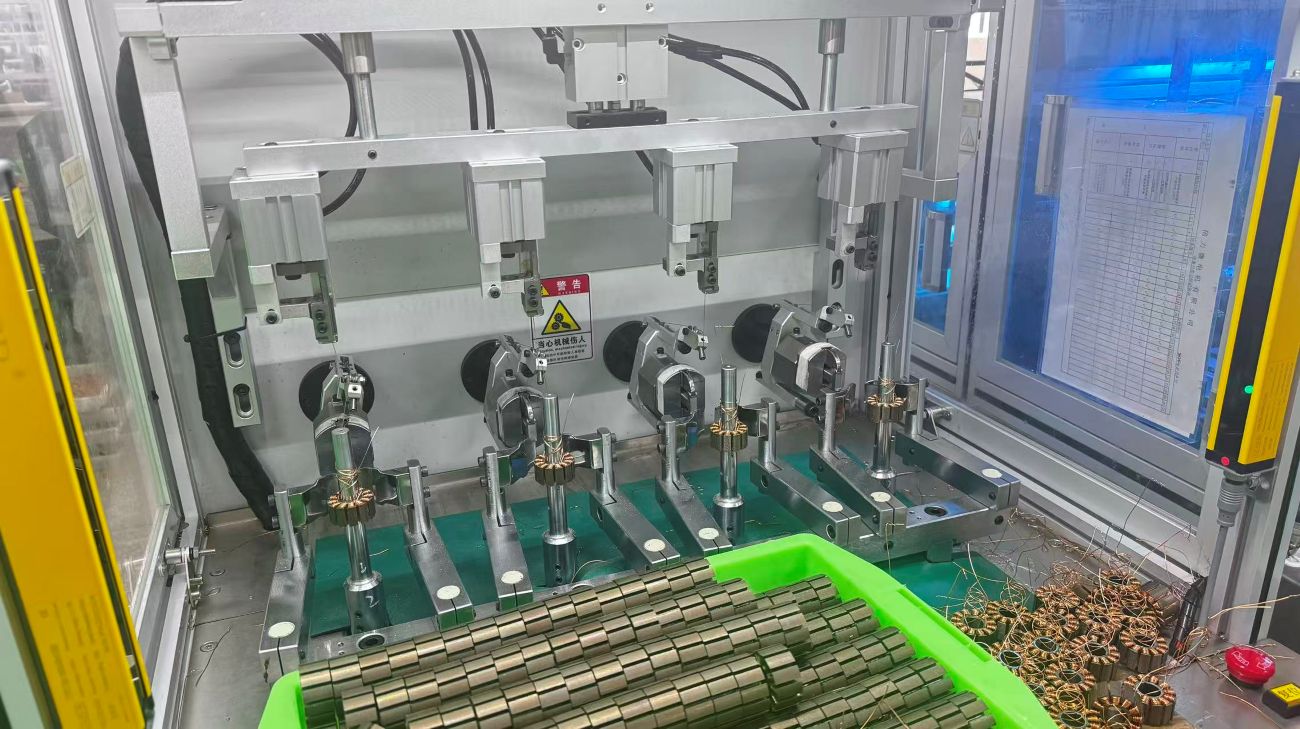
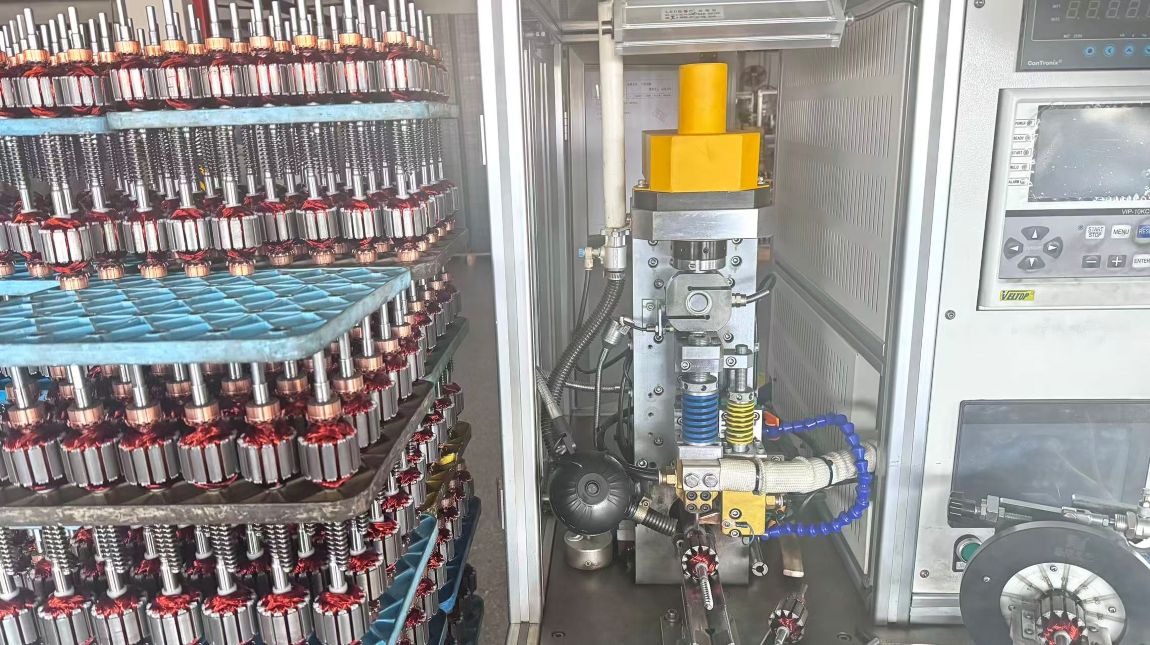
How We Serve You: We bridge the gap between design and volume. Through 100% custom engineering (modifying shafts, voltages, encoders, and gear ratios) and scalable automated production, we supply global OEMs with the exact motion control they need, delivered direct from the source.
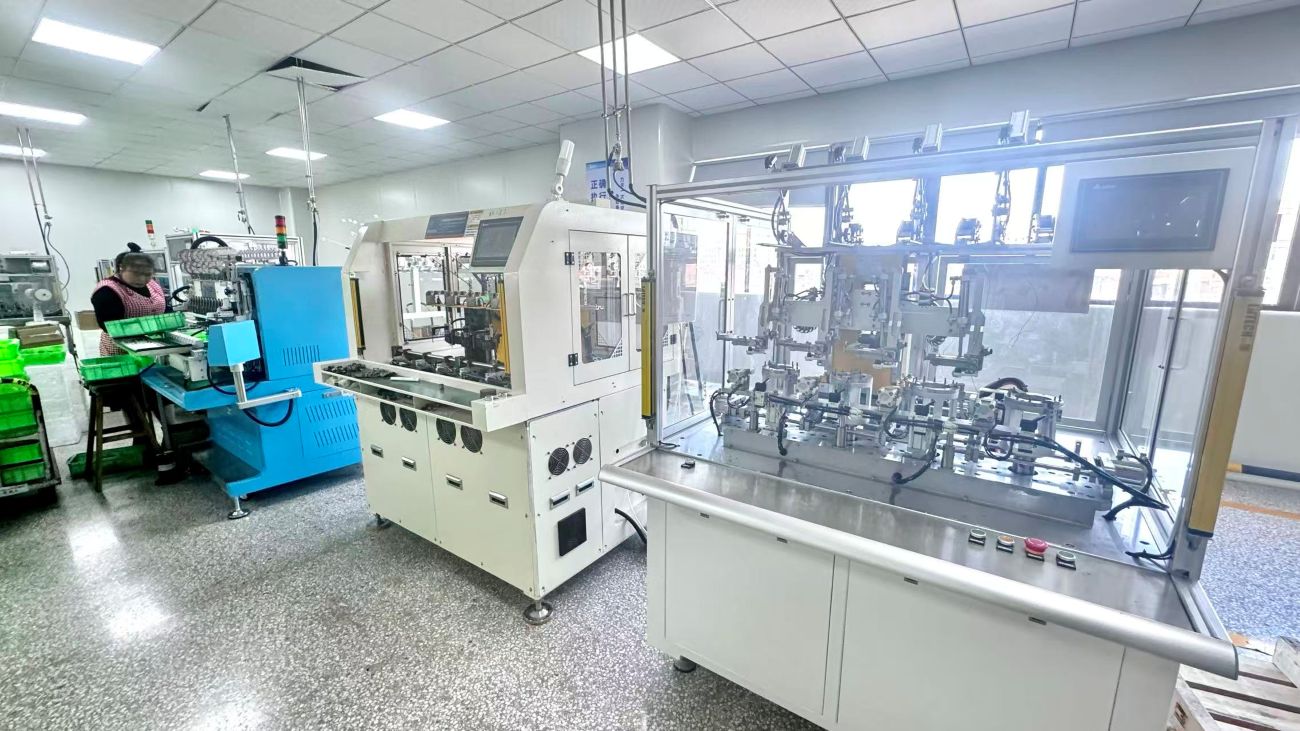
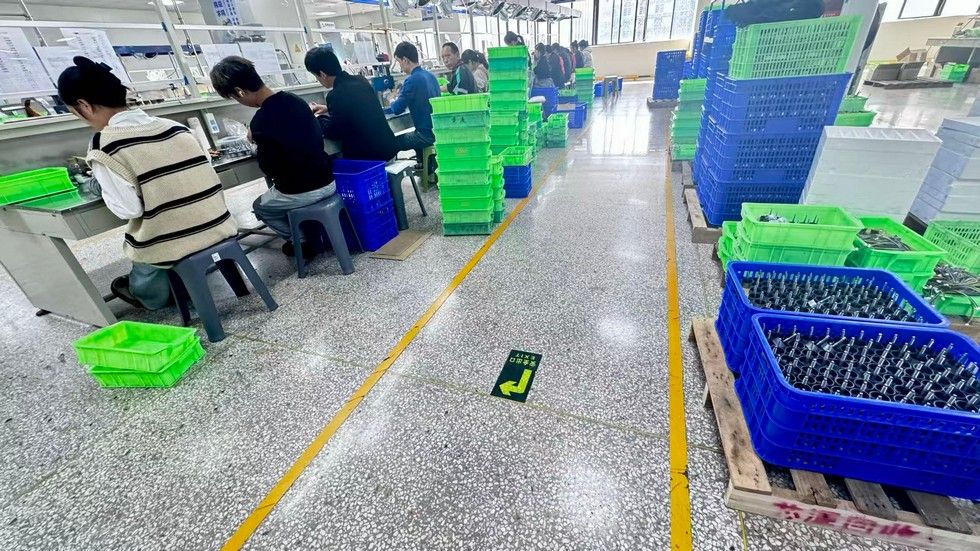

Precision stepper and servo motors are used in a variety of industries across Seattle and the broader Pacific Northwest region:
When designing compact medical, robotic, or aerospace assemblies, electromechanical engineers must choose between two primary architectures: Micro Stepper Motors and Brushless DC Motors (BLDC). Each technology has unique performance characteristics that affect the system's power budget, thermal limits, and control loop complexity.
Stepper motors operate by energizing a series of electromagnetic coils, which step a permanent magnet rotor in discrete increments. Because they have a high number of magnetic poles (often 24 to 50 or more), they provide exceptional holding torque and precise open-loop positioning without needing external sensor feedback. This makes them highly cost-effective for applications like valve positioners, medical dispensers, and focus adjusters, where speed is low but holding position is critical.
BLDC motors use electronic commutation to generate a rotating stator field. Their low pole count enables high rotational speeds (up to 10,000+ RPM) with excellent efficiency and heat dissipation. A BLDC motor is ideal for continuous rotation applications like cooling fans, robotic joints, and high-speed centrifuges. However, they require electronic speed controllers (ESCs) and sensor feedback (such as Hall effect sensors or optical encoders) for precise positioning, which increases system complexity.
| Performance Parameter | Micro Stepper Motor | Micro BLDC Motor |
|---|---|---|
| Positioning Control | Simple Open-Loop (No Encoder Required) | Closed-Loop (Requires Sensor Feedback) |
| Holding Torque Density | Very High at low speeds | Moderate (Needs gearbox to hold position) |
| Rotational Speed Range | Low (typically under 1,000 RPM) | High (1,000 to 15,000+ RPM) |
| Thermal Efficiency | Low (Draws full current continuously) | High (Adapts current draw to match load) |
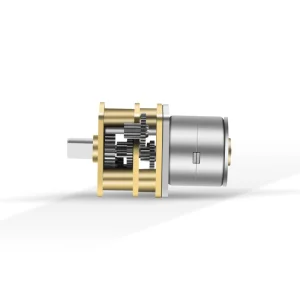
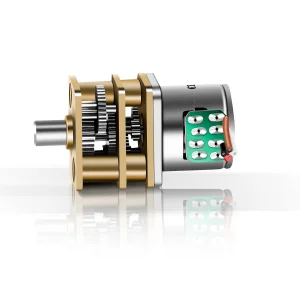
Explore our highly customized micro-motors, gearboxes, and controllers engineered for demanding industrial, consumer, and biotech applications.
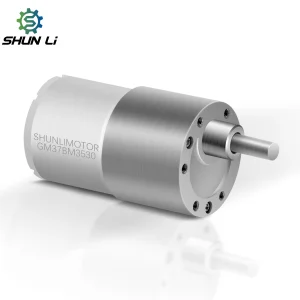
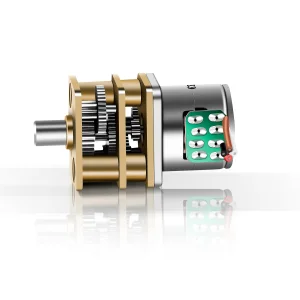
In modern industrial sourcing, procurement involves more than simply selecting a component from a catalog. Supply chain directors and engineering managers look for partners who can help mitigate operational risks, ensure quality consistency, and secure reliable lead times.
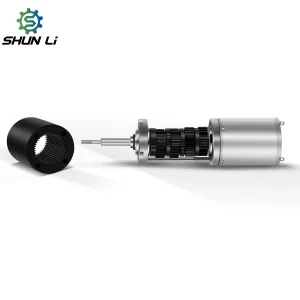
High-torque, high-efficiency micro-drives designed to optimize performance in space-constrained applications.
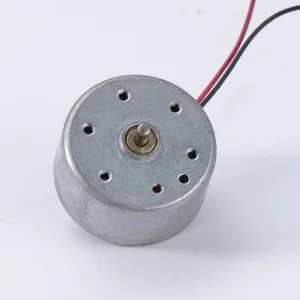
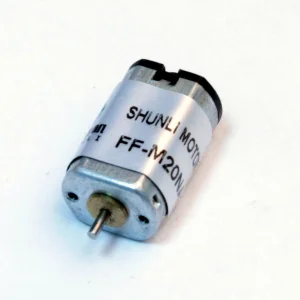
Technical advice and supply chain answers from our application engineering team.
Contact our application engineering team today to discuss your project requirements, request a custom prototype, or get a quotation for your production needs.
Send Inquiry Now MicroDyn Motor