Industrial-grade micro motors engineered with high torque margins and customizable gear systems for diagnostic automation, medical instruments, and robotic modules.
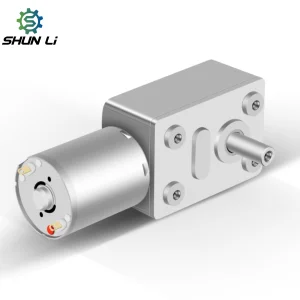
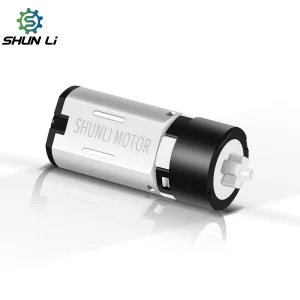
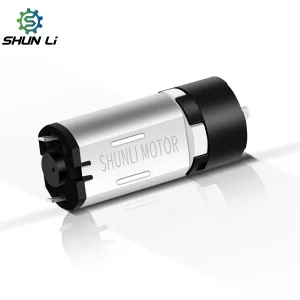
Established in 2006, MicroDyn Motor is a specialized High-Tech China factory dedicated to engineering advanced Micro DC, Gear, and Brushless (BLDC) motors. We bridge the gap between initial mechanical design and volume OEM delivery. Through 100% custom engineering (modifying shafts, voltages, encoders, and planetary or worm gear ratios) and highly automated manufacturing, we supply global OEMs with the exact motion control configurations they require, directly from the primary factory source.
The diagnostic motor industry is undergoing a significant paradigm shift driven by the rapid growth of In Vitro Diagnostics (IVD), clinical laboratory automation, and high-throughput molecular diagnostics. These sophisticated clinical machines rely on precise fluidics, sample manipulation, and robotic handling systems where positioning accuracy and mechanical reliability are non-negotiable. If a diagnostic drive fails, patient assays are lost, process chains stop, and clinical labs face costly downtime.
Global demand for medical micro motors is expanding at an accelerated CAGR. Key growth factors include the miniaturization of point-of-care testing (POCT) systems, the increasing automation of laboratory prep, and the integration of smart diagnostic tools. In these settings, standard commercial-grade motors are insufficient. Engineers are shifting to industrial-grade medical motors that provide ultra-low backlash, long-term thermal stability, and integrated feedback loops (encoders) to guarantee repeatable precision over millions of cycles.
In standard consumer applications, a motor failure results in minor inconvenience. In medical diagnostics, a motor failure can compromise blood analyses, bio-reagents, and pharmaceutical production runs. For this reason, professional diagnostic motor manufacturing requires "industrial-grade margins." This means designing motor windings, magnetic circuits, and gearbox components to withstand prolonged mechanical stresses, rapid temperature fluctuations, and chemical exposure from clinical disinfectants.
Our core philosophy states: The heart of every great machine is its MicroDyn Motor. If the motor fails, innovation stops. That is why we engineer every drive with generous industrial-grade design margins, ensuring higher torque density, significantly lower acoustic profile (vital for laboratory environments), and longer operational lifespans than off-the-shelf commercial alternatives.
A transparent view of our automated manufacturing lines, quality control testing bays, and precision assembly processes in China.
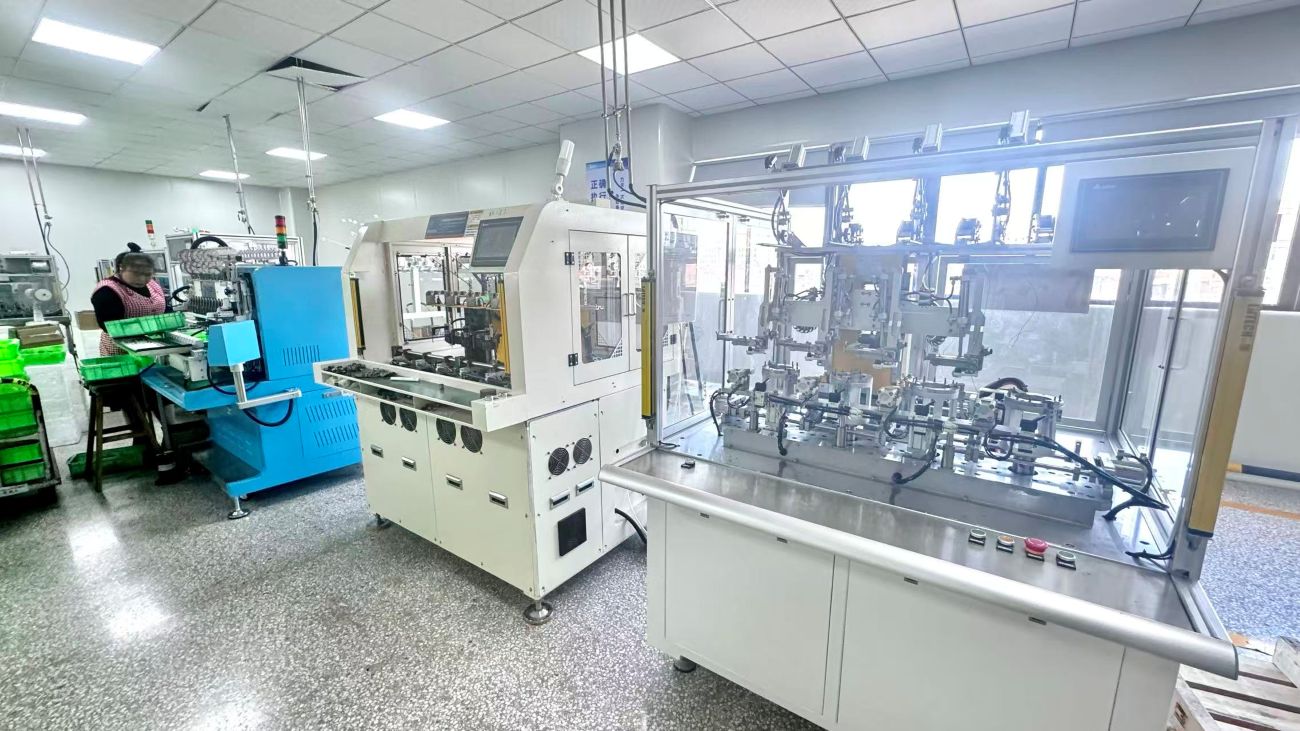
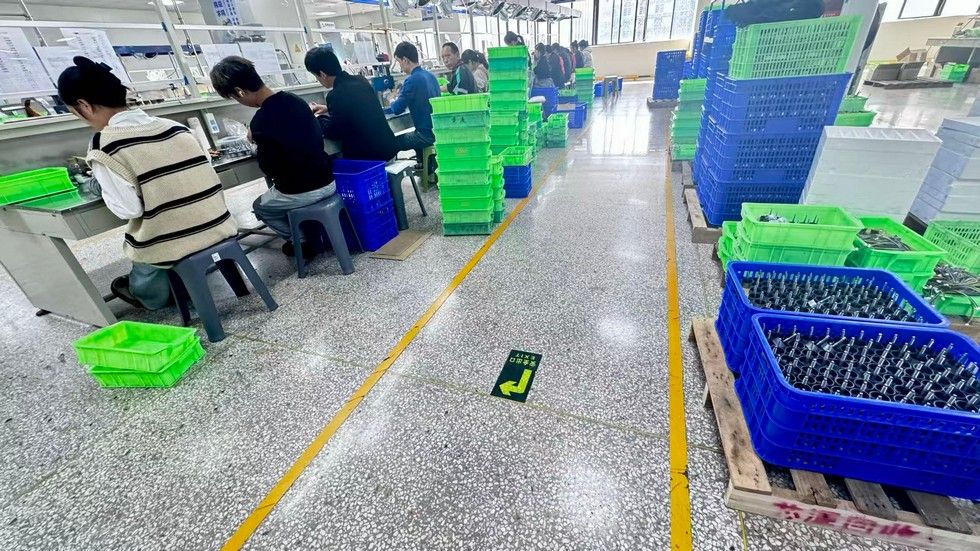
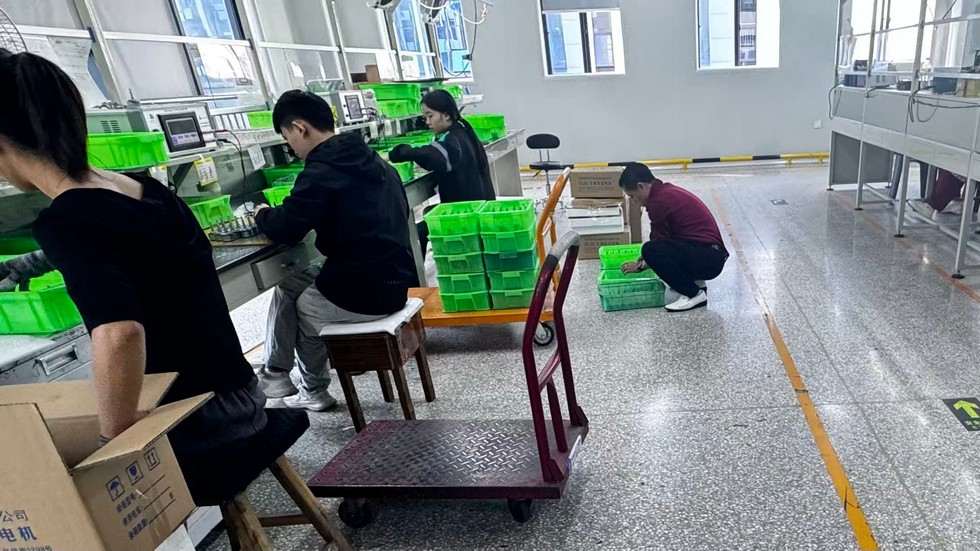

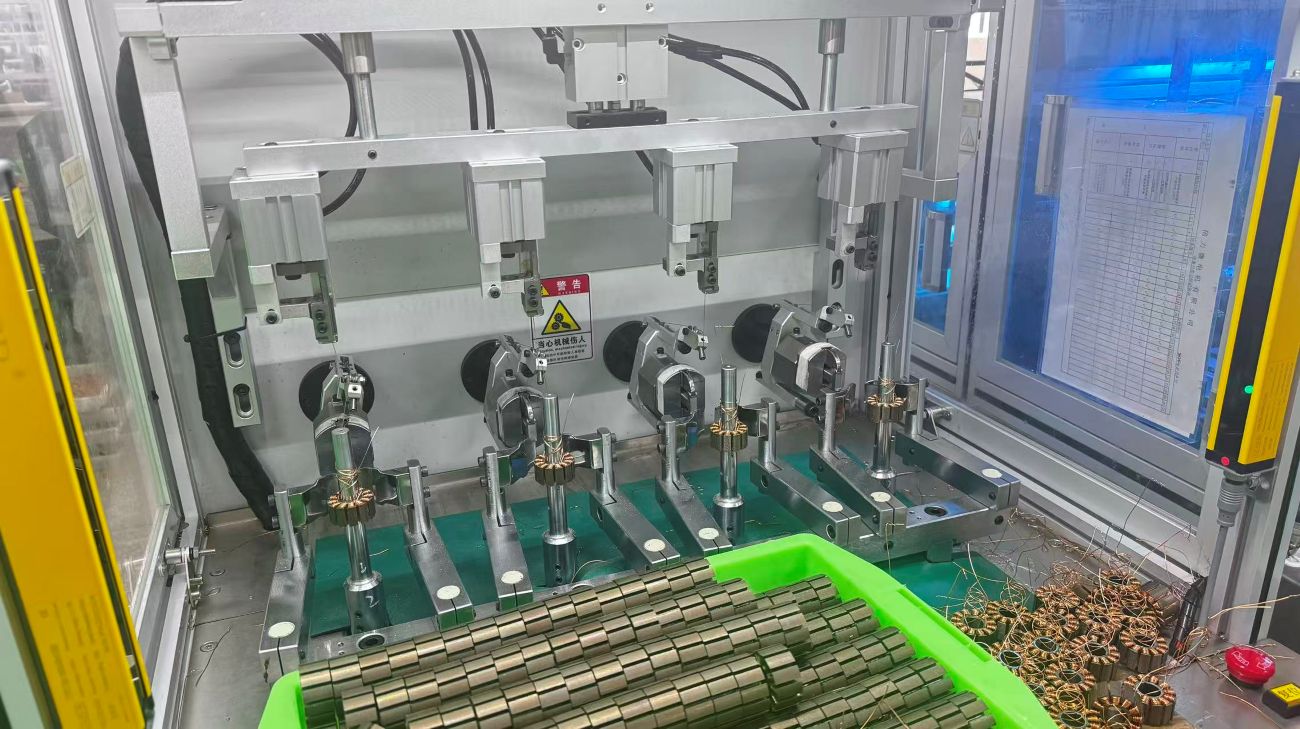
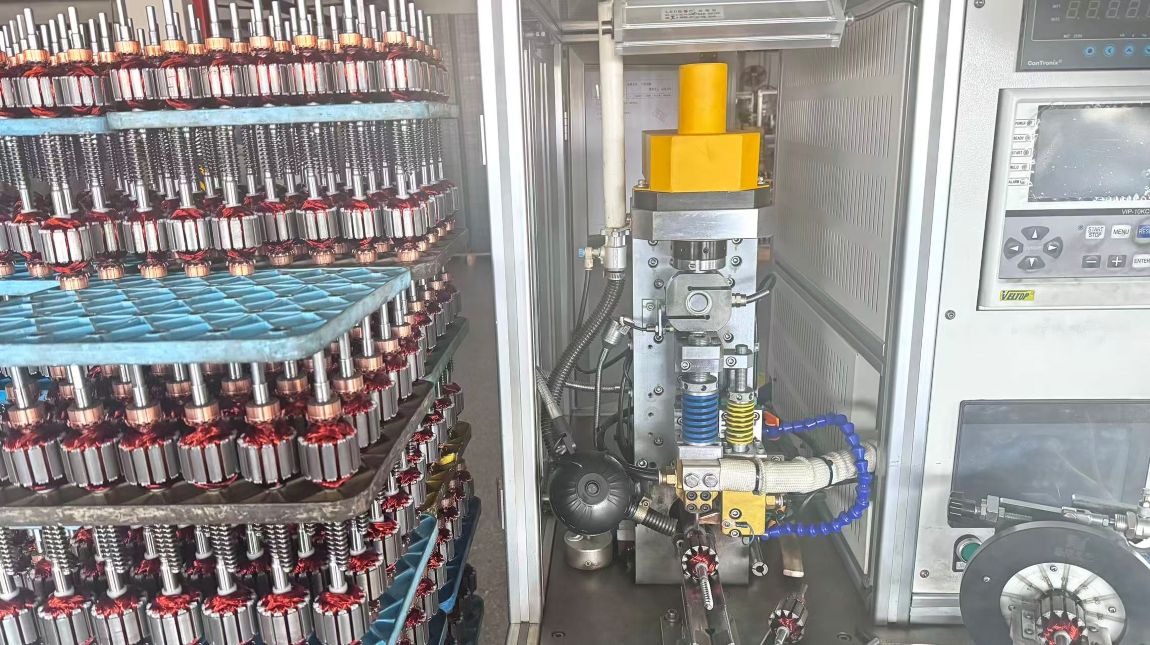
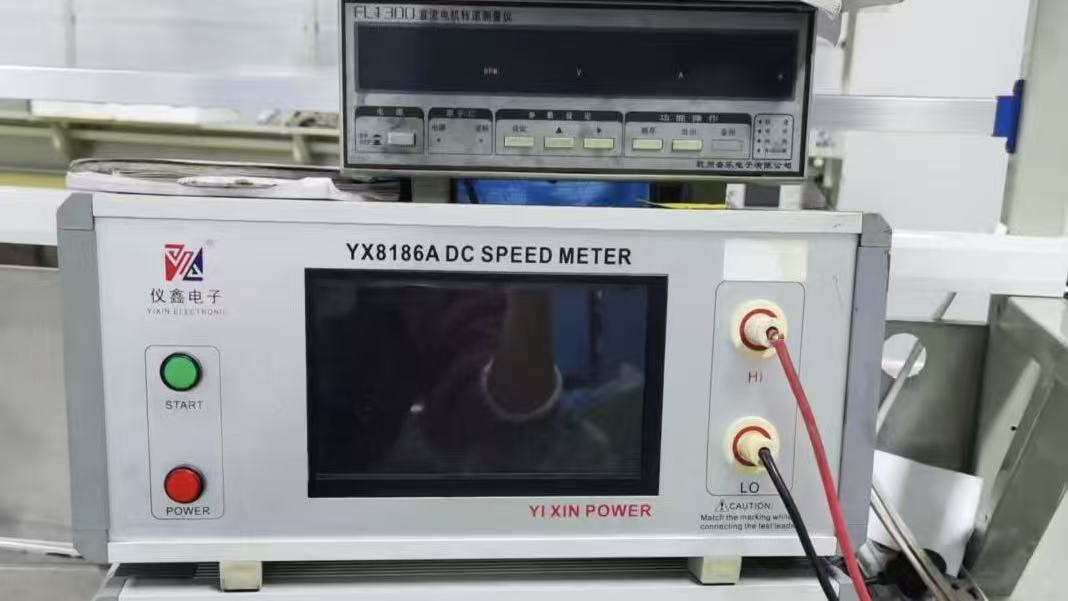
The global precision motor landscape relies heavily on China-based production lines. This dominance is not simply a function of labor rates, but rather a direct result of supply chain integration, engineering density, and manufacturing speed. Here is a breakdown of the structural advantages offered by China's primary motor factories:
In China's industrial zones (such as Jiangsu, Zhejiang, and Guangdong), all raw material suppliers are located within a small radius. Neodymium-iron-boron (NdFeB) rare earth magnets, high-purity oxygen-free copper wires, synthetic lubricants, precision injection-molded plastic gears, and high-silicon electrical steels are sourced locally. This proximity minimizes logistical friction, reduces lead times, and allows for rapid raw material quality checks prior to component machining.
As shown in our factory overview, modern China facilities utilize advanced equipment like automatic winding machines and computerized spot welding units. Automation ensures high consistency across large volume production batches. In diagnostic medical systems, consistency is a key safety metric; automated winding eliminates manual variability in copper wire tension, preventing electrical imbalances and hot spots inside the motor housing.
China's engineering ecosystem is built for quick iterations. Global OEMs often require customized shaft lengths, specific lead wire configurations, custom mounting flanges, or integrated gear ratios. While Western factories can require months for tooling modifications, modern China-based factories can design, prototype, test, and release custom micro planetary or worm gearmotors in a fraction of the time, keeping OEM design cycles on schedule.
| Evaluation Matrix | China Automated Factories | Traditional Western Factories | Low-Automation Alternatives |
|---|---|---|---|
| Prototyping Lead Time | 2 - 4 Weeks | 8 - 12 Weeks | 4 - 6 Weeks |
| Supply Chain Risk | Minimal (localized ecosystems) | Medium (global sourcing dependencies) | High (unstable material imports) |
| Tooling & Setup Cost | Low to Moderate | Very High | Low (limited custom options) |
| Batch Consistency | Excellent (automated QC loops) | Excellent (highly standardized) | Variable (reliant on manual labor) |
When engineering high-precision diagnostic and automation hardware, selecting the right manufacturing partner is critical. Let's look at the operational capabilities and product focus of the top manufacturers globally:
Precision micro motors are not limited to one specific field; they are key components in modern laboratory, industrial, and consumer automation setups. Below are the primary application scenarios for these electromechanical drives:
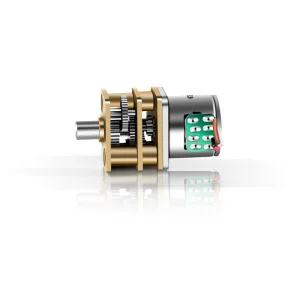
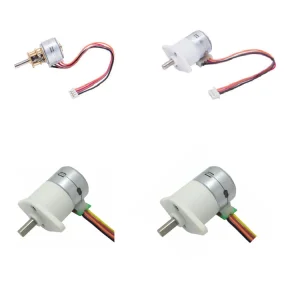
In automated clinical laboratories, micro stepper motors (like the 1000 Pps Stepper Motor GM12-15BY or the 3V 5V Dc Micro Stepper Geared Motor) drive the multi-axis pipetting heads, carousel trays, and sample barcodes. Liquid handling demands precise volumetric dispensing. The micro steppers provide exact angular step inputs to the microfluidic pump mechanism, ensuring correct serum volumes are drawn and assayed. The low-backlash characteristics prevent fluid carryover and ensure assay repeatability.
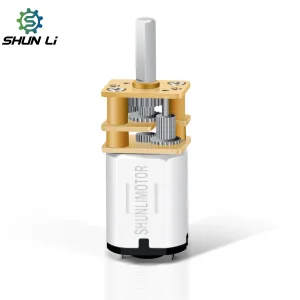
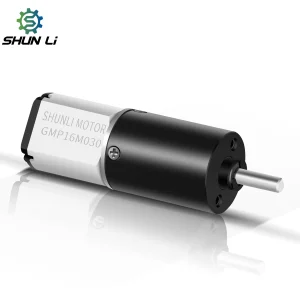
Consumer devices require reliable motion control in small footprints. For example, robotic vacuum cleaners require reliable, high-torque drive systems to operate over varying floor surfaces. Drives like the 12v DC Gear Motor 80 Rpm (1kg.cm to 550kg.cm torque range) are designed to handle continuous load variations while maintaining a low acoustic profile. Similarly, micro planetary gear systems (such as the 10mm Planetary Plastic Gear Motor) are ideal for smart locks, fingerprint doors, and small mechanical toys where housing space is limited.
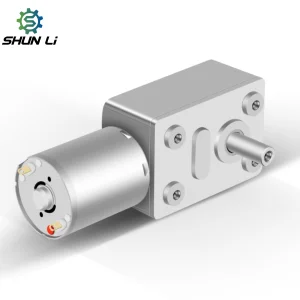
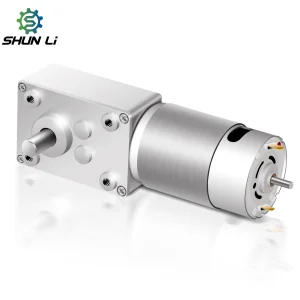
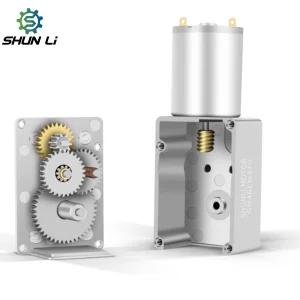
High-torque worm gear motors (such as the Shunli Customizable 12v Dc Worm Gear Motor 370 and the Shunli 24v Dc Electric Motor Worm Geared Motor) are well-suited for high-torque, self-locking applications. The worm gear design prevents back-driving, which is useful for automatic vending machines, ticket dispensers, and motorized security doors. In these scenarios, the gearmotor must hold load without drawing electrical current, reducing power consumption.
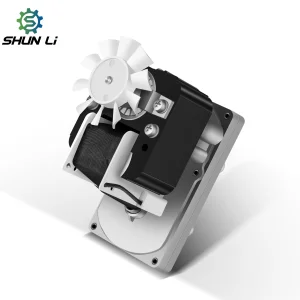
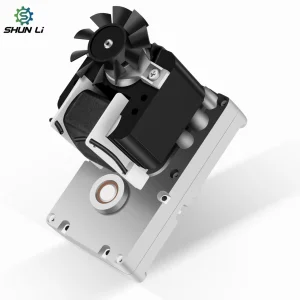
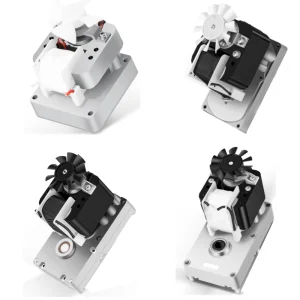
AC motor configurations (such as the Shunli Customizabe 230v Ac Motor Shaded Pole Motor and the Asynchronous Shaded Pole Gear Motor) are designed for thermal management and continuous fan rotation. These motors are commonly found in laboratory ovens, sterilizers, cell incubators, and exhaust hoods, where they provide quiet, reliable cooling and air circulation over extended operational cycles.
When selecting a micro motor configuration, design engineers must look beyond simple voltage and RPM specifications. Understanding structural motor dynamics is essential for ensuring long-term system reliability:
A common error in product design is running a motor close to its peak continuous torque rating. Over time, heat generation increases winding resistance, which causes torque decay. Medical and diagnostic equipment designs should include at least a 30% to 50% torque safety margin. Choosing a high-torque planetary or worm gearbox reduction (such as the Shunli High Torque Worm Micro Gear Motor with up to 25kg capacity) allows the motor to operate within its optimal efficiency window, reducing heat generation and extending bearing life.
Backlash is the clearance or play between mating gear teeth in a gearbox. In precision positioning systems, backlash can introduce positioning errors. While spur gearheads are cost-effective, planetary gearheads distribute mechanical loads across multiple gear interfaces, reducing overall backlash. For precise diagnostic applications, using high-precision planetary gearboxes combined with optical or magnetic encoders is recommended to compensate for mechanical play.
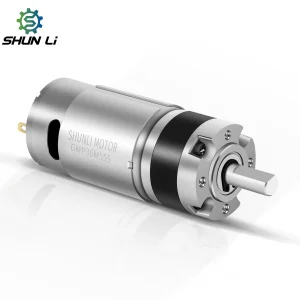
In DC motor configurations (such as the PM DC Planetary Gear Motor series), the brush material choice directly impacts operational life and electrical noise. Precious metal brushes are ideal for low-voltage, low-current, and low-noise applications. For high-torque applications with frequent start-stop cycles (such as smart locks or heavy automation doors), carbon brushes are preferred due to their resistance to electrical arcing and wear.
Expert engineering insights answering the technical questions raised by global sourcing teams and mechanical engineers.
Additional electromechanical options for global medical, commercial, and industrial automation designs.
 MicroDyn Motor