Explore our engineered line of high-torque micro DC, gear, and high-precision stepper solutions built for rigorous industrial demands.
Why Modern Industrial Applications Demand the Extreme Control Precision of Hybrid Architectures
In the modern landscape of smart manufacturing, laboratory automation, and robotic kinematics, the Hybrid Stepper Motor is the premier choice for precise positioning. By combining the features of Variable Reluctance (VR) and Permanent Magnet (PM) stepper motors, hybrid stepper systems achieve a very small step angle (typically 1.8° or 0.9°), high detent torque, and exceptional mechanical resolution. Unlike traditional motors, they rely on a multi-toothed stator and a permanent magnet rotor designed with tooth-like laminations. This architecture channels magnetic flux path loops with minimal losses, making them indispensable for applications requiring high static and dynamic torque.
When selecting a manufacturer, global procurement teams look beyond basic specs. They assess structural durability, customization flexibility, and supply chain consistency. That's why specialized manufacturers like MicroDyn Motor are gaining significant global market share.
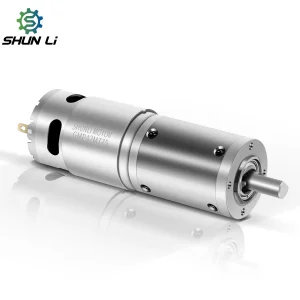
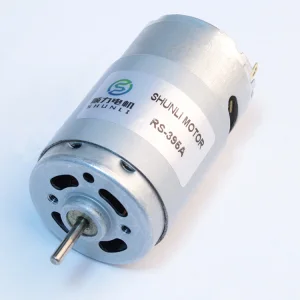
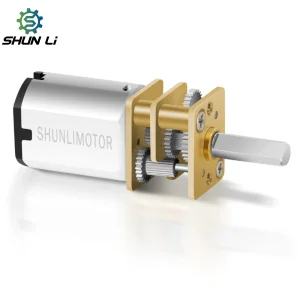
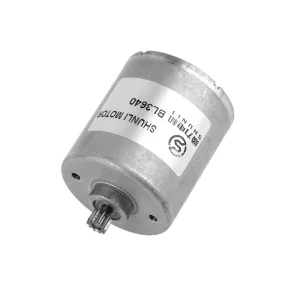
MicroDyn Motor is a specialized High-Tech China factory established in 2006, dedicated to engineering advanced Micro DC, Gear, and Brushless (BLDC) motors.
The heart of every great machine is its MicroDyn Motor. If the MicroDyn Motor fails, innovation stops. That is why we engineer every drive with industrial-grade margins—ensuring higher torque, lower noise, and longer operational lifespans than standard commercial alternatives.
We bridge the gap between design and volume. Through 100% custom engineering (modifying shafts, voltages, encoders, and gear ratios) and scalable automated production, we supply global OEMs with the exact motion control they need, delivered direct from the source.
A comprehensive look at structural demand shift in NEMA configurations and smart control networks
The global market for hybrid stepper motors is expanding rapidly, driven by industrial automation, medical robotics, and smart IoT-enabled devices. Unlike basic permanent magnet stepper motors, the hybrid stepper design features high-density magnetic routing. This design enables holding torques of up to 30 Nm or more in standard NEMA frame configurations (NEMA 8, 11, 14, 17, 23, 34, 42).
Currently, the automation sector uses hybrid steppers for high-torque, lower-speed operations where traditional servo setups are cost-prohibitive. This trend is particularly clear in precision machinery, where hybrid steppers deliver accurate positioning without complex feedback sensors. They are ideal for applications like laboratory analysis fluid pumps, laser cutters, textile weaving machines, and semiconductor pick-and-place equipment.
Regionally, North American buyers emphasize high holding torque and integrated closed-loop controllers to simplify machine wiring. European OEMs demand strict environmental compliance, including CE, RoHS, and ATEX certifications for hazardous locations. Meanwhile, the Asia-Pacific market focuses on massive scalability and rapid prototyping cycles, leveraging local component networks to bring products to market quickly.
How advanced automated assembly lines and supply chain localization deliver superior cost-to-performance ratio
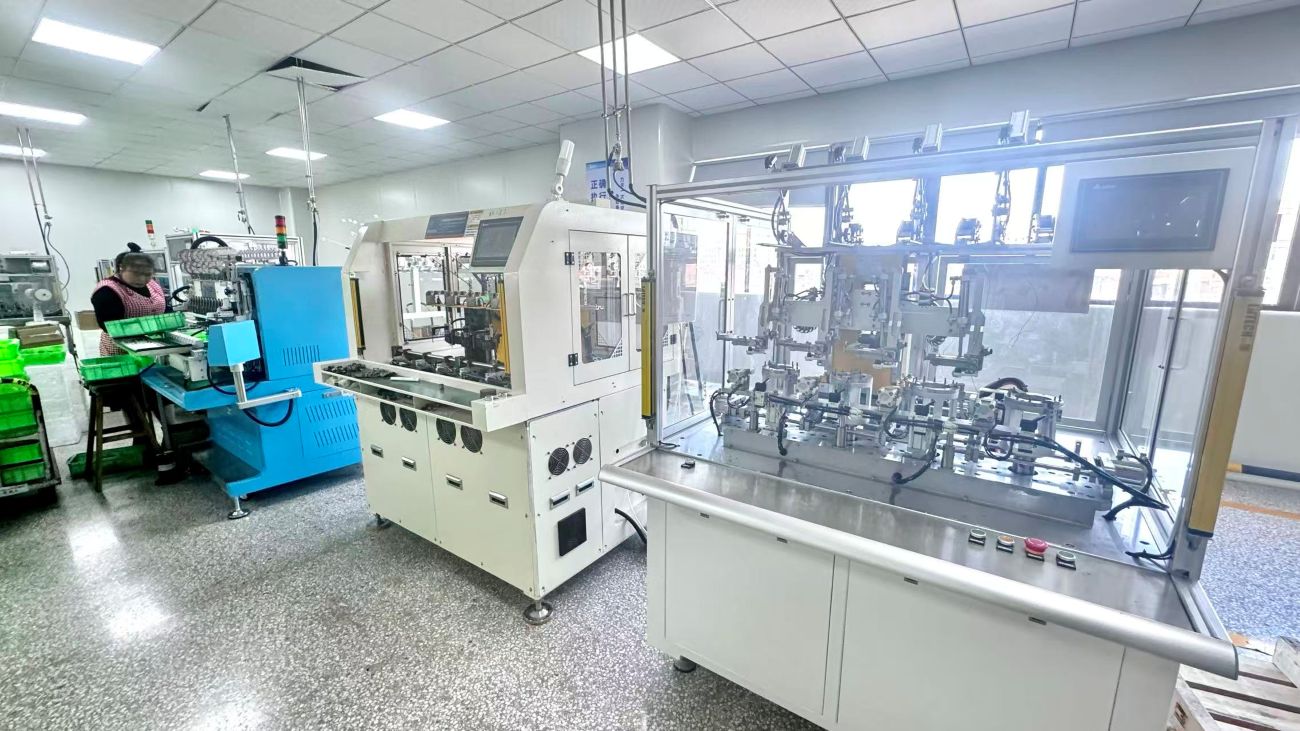
Advanced high-speed automated winding machines lay down uniform copper turns with high slot-fill factor, maximizing magnetic flux density in the stator teeth.
Specialized automated balancing rigs adjust multi-toothed steel-magnetic rotors to suppress vibration harmonics and minimize back EMF irregularities.
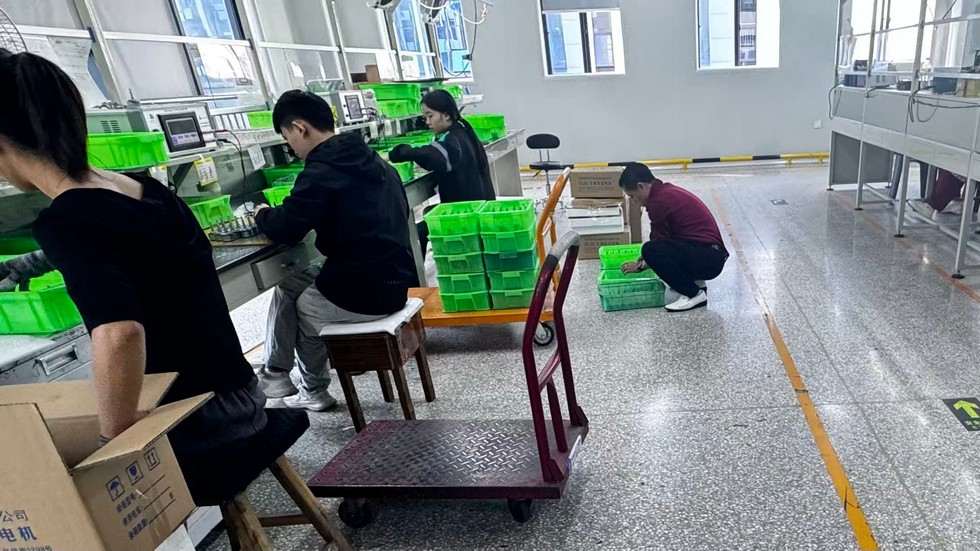
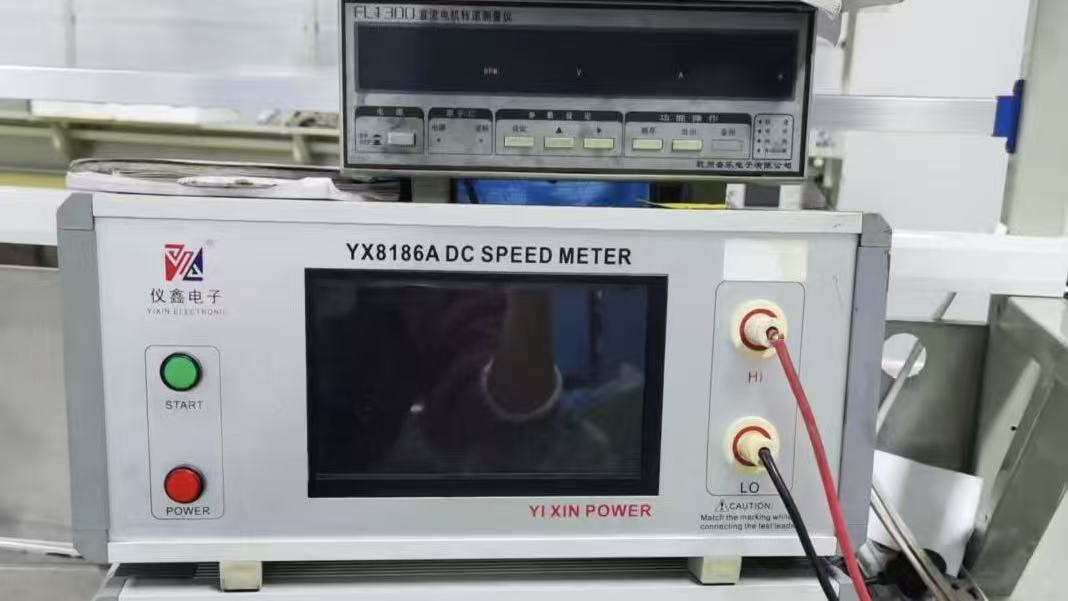
Through 100% automated testing of magnetic parameters, insulation resistance, and phase matching, China-based factories consistently meet global standards.
China's industrial motor manufacturing ecosystem provides an unmatched combination of speed and cost efficiency. The concentration of rare earth mining and processing in the region guarantees a stable supply of high-grade Neodymium-Iron-Boron (NdFeB) magnets. These magnets are essential for creating the strong magnetic fields required in hybrid stepper motors. Additionally, Chinese factories have integrated vertical supply chains that process local steel, copper wires, precision bearings, and cast aluminum brackets on site, drastically reducing transportation times and costs.
Furthermore, major Chinese custom manufacturers employ automated spot-welding and high-precision CNC shaft grinding. This ensures that custom shafts (such as D-cut, round, keyway, or hollow shafts) are machined within micrometer tolerances, eliminating concentricity errors during assembly.
From laboratory automation in Western Europe to complex assembly robotics in the United States
In medical laboratories across Western Europe, hybrid stepper motors power peristaltic pumps and precision pipettes. These applications require silent microstepping down to 1/256th of a step, along with minimal thermal output, to safeguard delicate organic specimens.
Logistics sorting systems and automated guided vehicles (AGVs) use NEMA 23 and 34 closed-loop hybrid steppers. The integration of high-resolution encoders allows these motors to handle sudden load variations and avoid step loss, preventing costly system downtime.
Industrial additive manufacturing systems rely on hybrid steppers to control XYZ positioning. The combination of high holding torque and low rotor inertia enables fast acceleration cycles, preventing surface defects on printed parts.
Comparative matrix based on customization capabilities, production capacity, and regional dominance
| Manufacturer Name | Primary Specialties | Lead Time | Customization Depth | Regional Footprint |
|---|---|---|---|---|
| Moons' Industries | Closed-loop, high-density IP65 steppers | 6 - 8 Weeks | High | Global / China HQ |
| Shinano Kenshi | Ultra-low vibration automotive modules | 8 - 10 Weeks | Medium | Japan / Global |
| MinebeaMitsumi | Mass production miniature motors | 10 - 12 Weeks | Standard | Global / Japan HQ |
| Oriental Motor | Packaged driver-motor combination kits | 4 - 6 Weeks | Medium | Japan / US / EU |
| Sanyo Denki | Sanmotion high-torque series | 8 - 10 Weeks | Medium | Global / Japan HQ |
| Portescap | Ultra-premium slotless surgical steppers | 12+ Weeks | High | USA / Switzerland |
| Nidec Corporation | Heavy-duty industrial stepper systems | 10 - 12 Weeks | Standard | Global / Japan HQ |
| Sonceboz | Automotive grade mechatronics | 12+ Weeks | High | Switzerland / Europe |
| Nanotec Electronic | Integrated CANopen / EtherCAT motors | 6 - 8 Weeks | High | Germany / Europe |
| MicroDyn Motor | Custom micro-motors & gear configurations | 3 - 5 Weeks | Complete OEM Custom | Global Direct / China Factory |
While industry giants like Minebea and Oriental Motor excel at standard, high-volume production, their design cycles can be slow and rigid for custom shaft lengths, specific winding resistances, or custom connector pins. MicroDyn Motor addresses this gap by offering flexible customization and faster delivery. By streamlining engineering processes, MicroDyn provides rapid prototyping and volume production, helping OEMs shorten their time-to-market.
Crucial variables engineering teams must audit prior to sourcing volume production lots
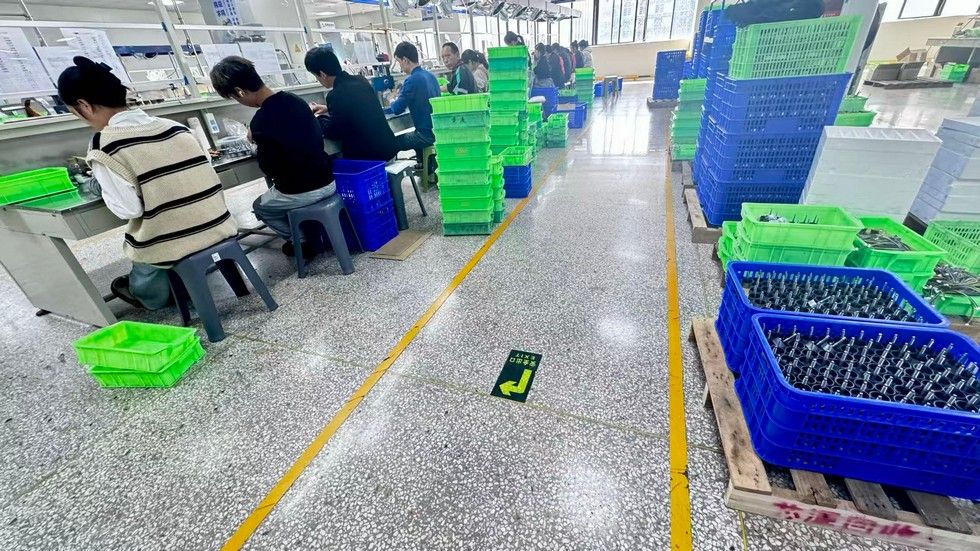
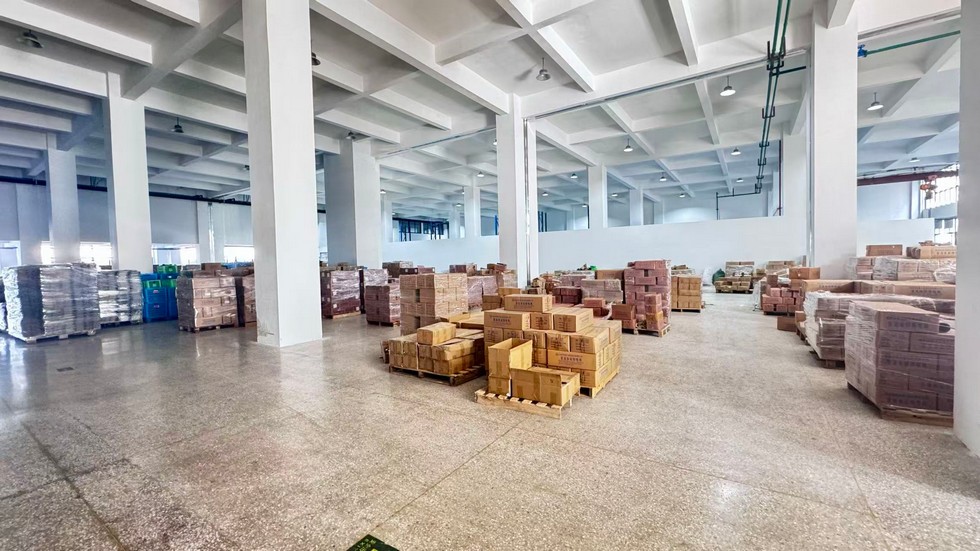
Inside our advanced manufacturing center: raw winding, mechanical assembly, and strict load testing
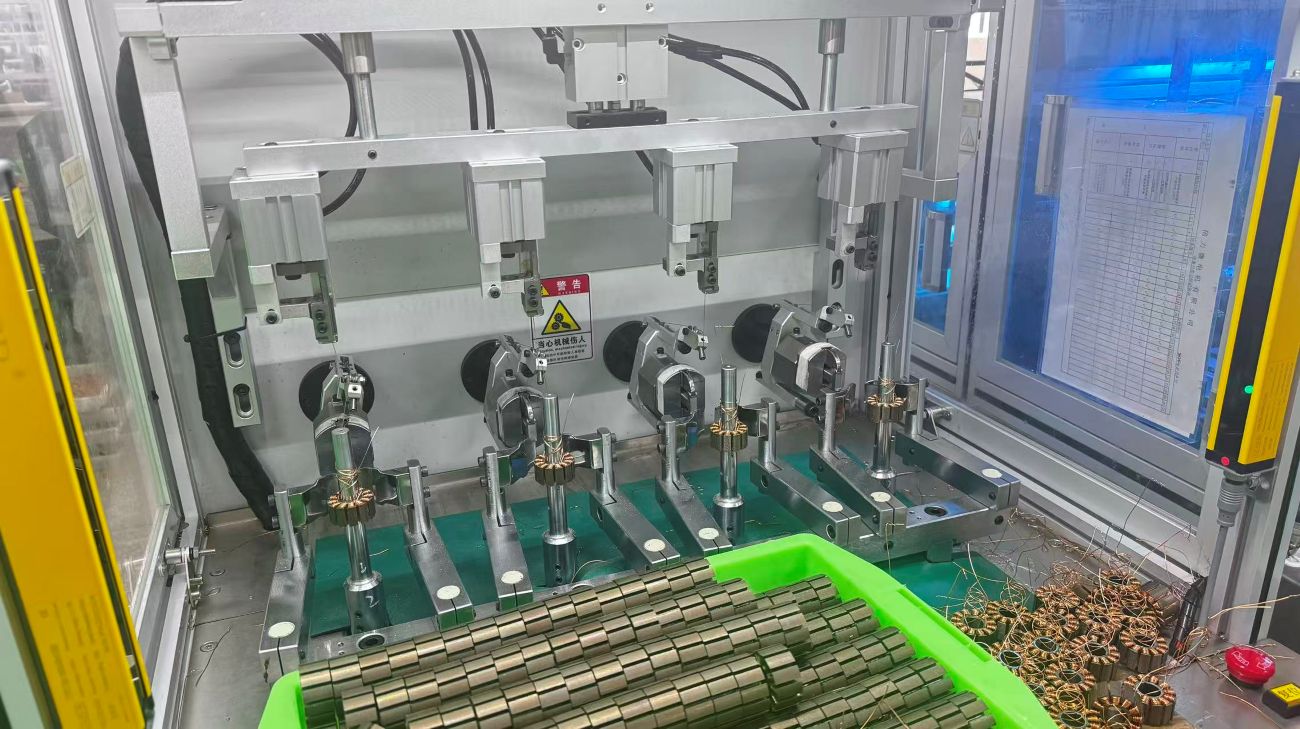
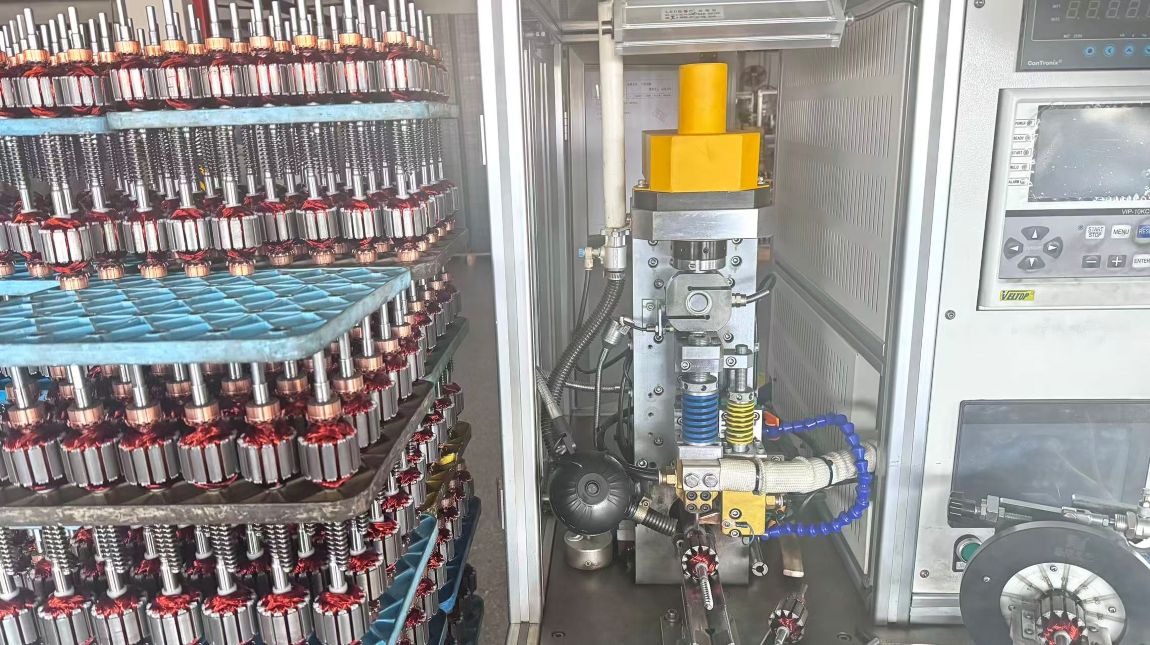
Additional Production Detail:
Miniaturization, Integrated Fieldbus Communication, and Silent Driver Integration
The hybrid stepper motor industry is evolving rapidly, driven by advanced drive technologies and smart controls. Modern fieldbus protocols, such as EtherCAT, CANopen, and Modbus TCP, are now integrated directly into the motor housings. This setup eliminates the need for separate external drive cabinets, simplifies cable routing, reduces electromagnetic interference (EMI), and lowers installation costs.
Additionally, modern stepper systems leverage advanced microstepping and silent technologies, such as Trinamic’s StealthChop. By continuously adjusting phase currents based on speed and load, these systems reduce audible motor hum during low-speed operation. This quiet performance is essential for medical devices, automated lab systems, and 3D printing equipment.
Answers to common integration issues, design trade-offs, and procurement questions
PM steppers use a smooth, non-toothed permanent magnet rotor, which limits their step resolution (typically 7.5° to 15°). Hybrid steppers combine a multi-toothed stator with a tooth-laminated rotor containing an axial permanent magnet. This tooth alignment creates a focused, high-density magnetic flux path, enabling precise step angles of 0.9° or 1.8° along with high holding torque.
As speed increases, the rapid changes in stator winding current generate back electromotive force (EMF). This back EMF opposes the input voltage, limiting the rate of phase current rise. To maintain high torque at speed, you must use a lower-inductance motor winding combined with a higher-voltage chopper drive.
Yes. By adding a magnetic or optical encoder to the rear shaft, you can feed rotor position data back to a closed-loop controller. This configuration enables the controller to adjust phase currents dynamically based on load, preventing step loss, reducing heat generation, and improving settling times.
High inductance limits how quickly phase current can rise, reducing torque at high operating speeds. However, motors with higher inductance typically require lower phase currents, which reduces thermal output during static holding states. If your application requires high-speed operation, select a motor with lower winding inductance.
Specialized factories can modify shaft geometry, winding configurations, wire harness connectors, and mounting flanges to match your design. This customized approach simplifies system integration, improves mechanical reliability, and eliminates the need for expensive secondary operations.
From smart lock gearboxes to high-precision AC shaded pole assemblies, direct from the factory
 MicroDyn Motor