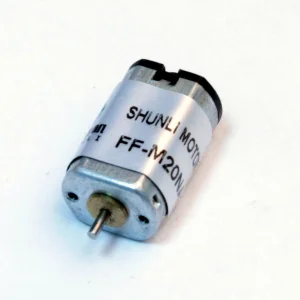
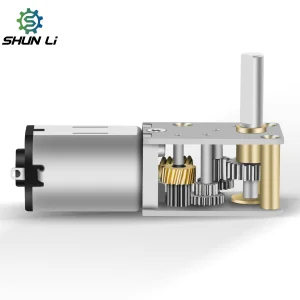
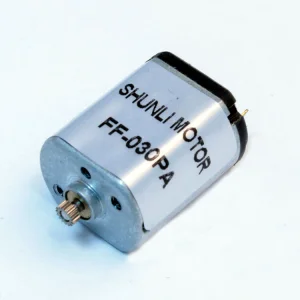
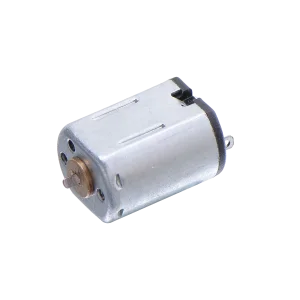
Engineered with high torque, minimal footprint, and precision reduction ratios to support complex electronic architectures.
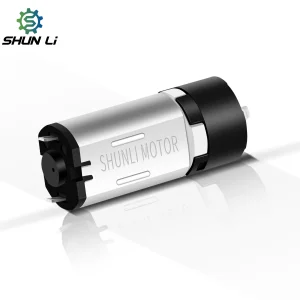
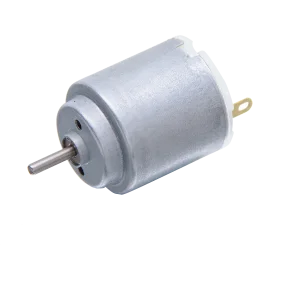
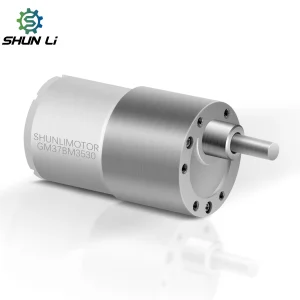
Who We Are: Established in 2006, MicroDyn Motor is a high-tech Chinese manufacturing facility dedicated to engineering advanced micro DC, gear, and brushless (BLDC) motors. Over nearly two decades, we have evolved from a local component producer into a prominent supplier of motion control devices worldwide, engineering motors that serve critical operational applications.
What We Believe: The heart of every great machine is its drive motor. If the motor fails, innovation stops. That is why we engineer every drive with industrial-grade margins—ensuring higher torque, lower noise, and longer operational lifespans than standard commercial alternatives. Our commitment translates to minimizing downtime for heavy machinery and extending consumer device service cycles.
How We Serve You: We bridge the gap between design concepts and large-scale manufacturing. Through 100% custom engineering (modifying shafts, voltages, encoders, and gear ratios) and automated production systems, we supply global OEMs with the exact motion control they need, delivered directly from our factory.
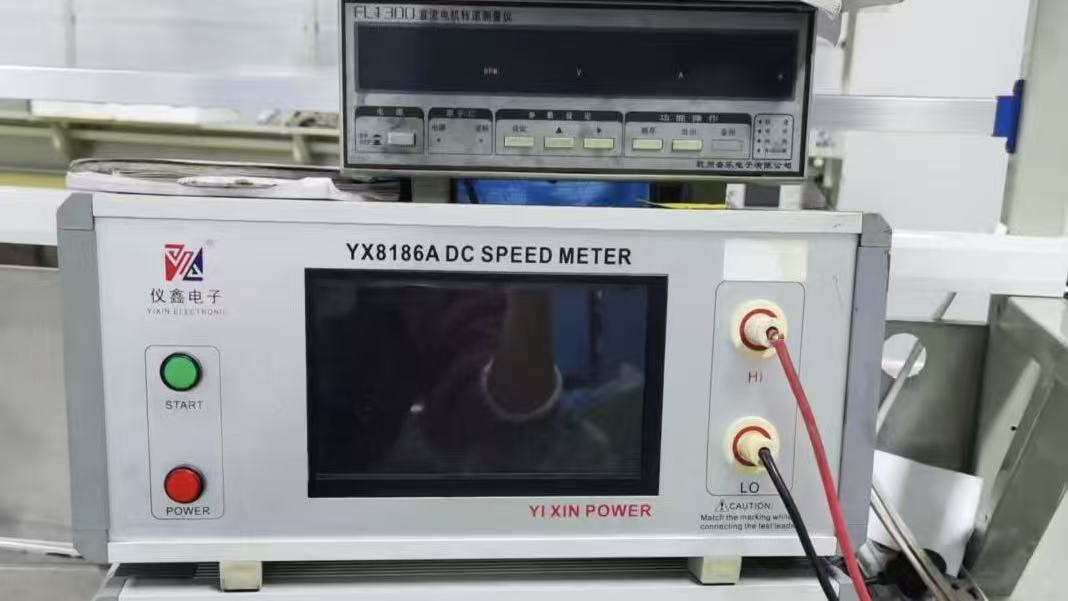
"By integrating raw material sourcing, automated precision assembly lines, and rigorous end-of-line dynamometer testing, MicroDyn ensures that stepper drive motors consistently meet or exceed international industrial criteria."
Exploring the commercial transition toward high-density torque and hybrid step angle topologies across major industries.
The global industrial ecosystem is seeing growing demand for high-precision, low-cost motion control solutions. While brushless DC motors excel at high-speed dynamic rotation, stepper motors and stepper drive assemblies remain essential for applications requiring stable holding torque and open-loop positioning. Hybrid stepper motors, micro-step drivers, and integrated motor-drive systems have expanded beyond traditional machine tool applications into complex medical, consumer electronics, and smart automotive systems.
Industrial intelligence, digital twins, and distributed motion control architectures have changed the requirements for stepper drive motor suppliers. Modern developers seek components with higher torque density, minimized heat dissipation, and native bus communication protocols (such as Modbus, CANopen, and EtherCAT). This shift requires suppliers to possess deep mechanical engineering expertise and the ability to customize motors for varied electromagnetic performance and thermal challenges.
By optimizing stator tooth geometry and maximizing copper slot fill factors, modern stepper motors achieve up to 30% higher torque output within standard NEMA frames compared to legacy designs.
Advanced magnetic path designs reduce harmonic detent torque, allowing stepper drives to interpolate steps down to 1/256th resolution, reducing vibration and structural noise.
Industrial configurations utilize high-grade Class H insulation wire alongside aerospace-grade encapsulation epoxies, allowing continuous operation in temperatures up to 180°C.
From automotive HVAC damper control to automated drug dispensers, our motors are built for specialized application demands.
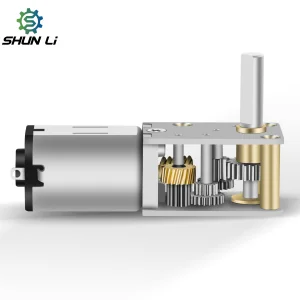
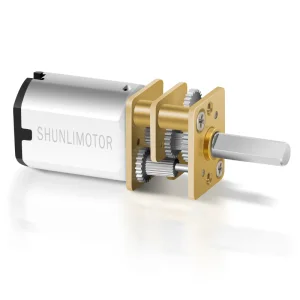
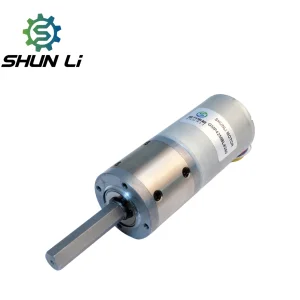
Utilizing micro geared DC and stepper designs (like the N20 lock motor series), we provide high starting torque in narrow form factors to guarantee reliable lock bolt actuation under varying mechanical loads.
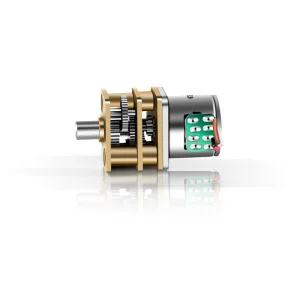
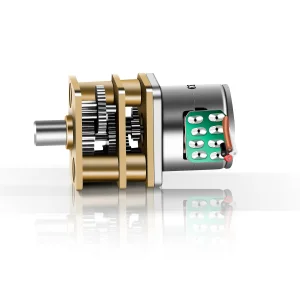
Our dual-shaft stepper configurations provide feedback control for air dampers in commercial and passenger vehicles, maintaining precise climate control through high vibration and thermal cycling.
Precision stepper drives facilitate microfluidic dosing by managing fluid displacement in syringes and peristaltic pumps, preventing flow rate deviation down to the microliter scale.
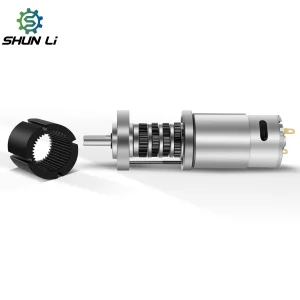
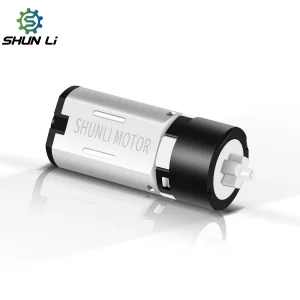
Used in residential and industrial smart water valves, customized reduction planetary gears produce the torque needed to cut through scale buildup and shut off valves safely during power failures.
The path to next-generation motion engineering: closed-loop efficiency, IoT connectivity, and materials science innovations.
Integrating high-resolution magnetic encoders onto stepper motor frames enables closed-loop control. This setup operates like a servo motor, eliminating step loss, minimizing dynamic heating, and reducing system power usage.
Moving from traditional pulse-and-direction controllers to integrated smart drivers supporting EtherCAT, CANopen, and industrial IoT protocols. This allows real-time diagnostics, torque profiling, and predictive maintenance monitoring.
Using new alloy formulations for stator laminations to reduce eddy current loss, allowing higher step frequencies and consistent torque at speeds where traditional motors drop in performance.
How MicroDyn optimizes delivery timelines, controls raw material quality, and ensures product consistency from coil winding to test phase.
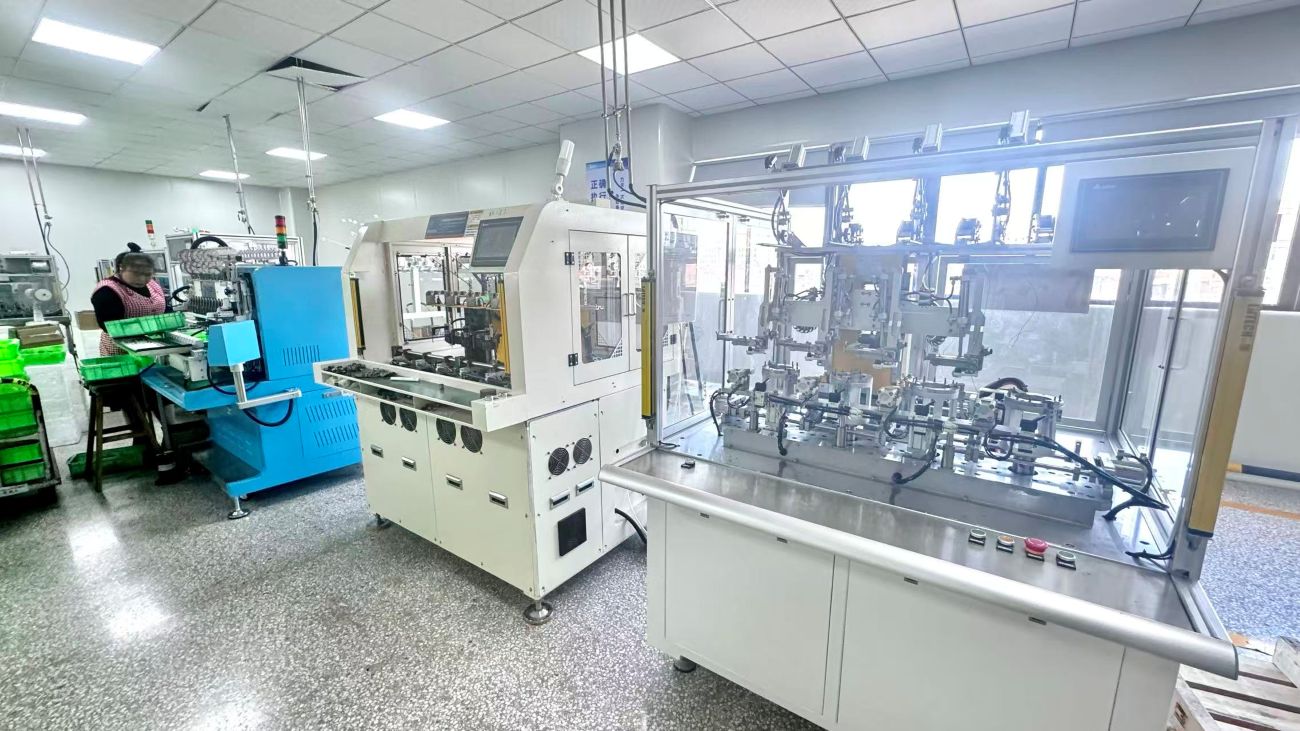
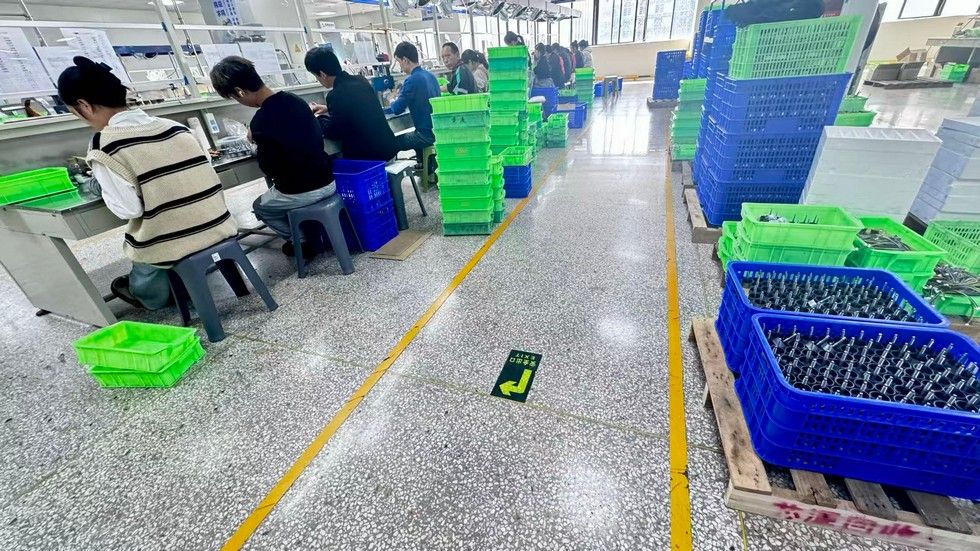
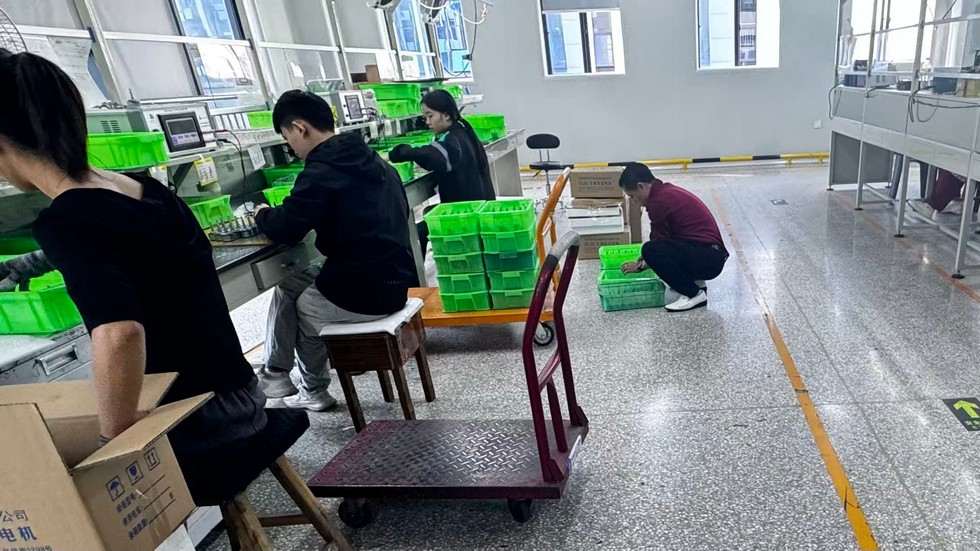
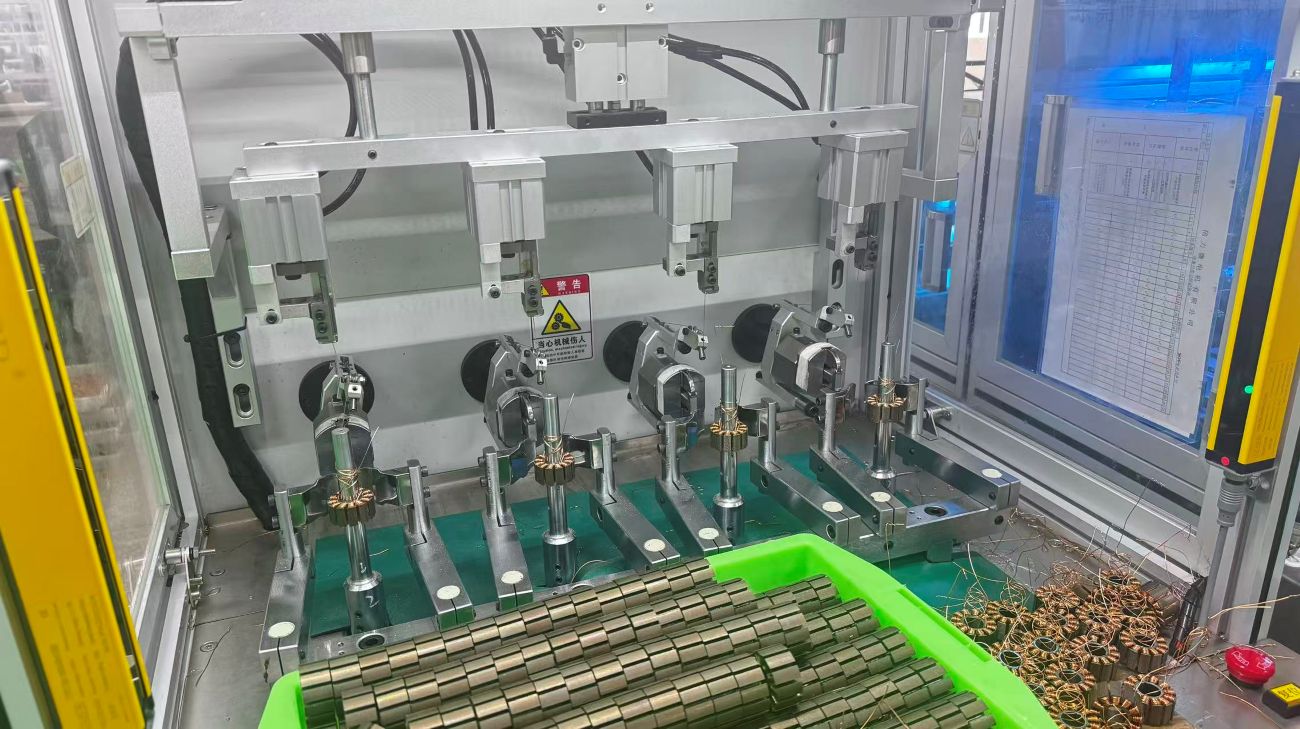
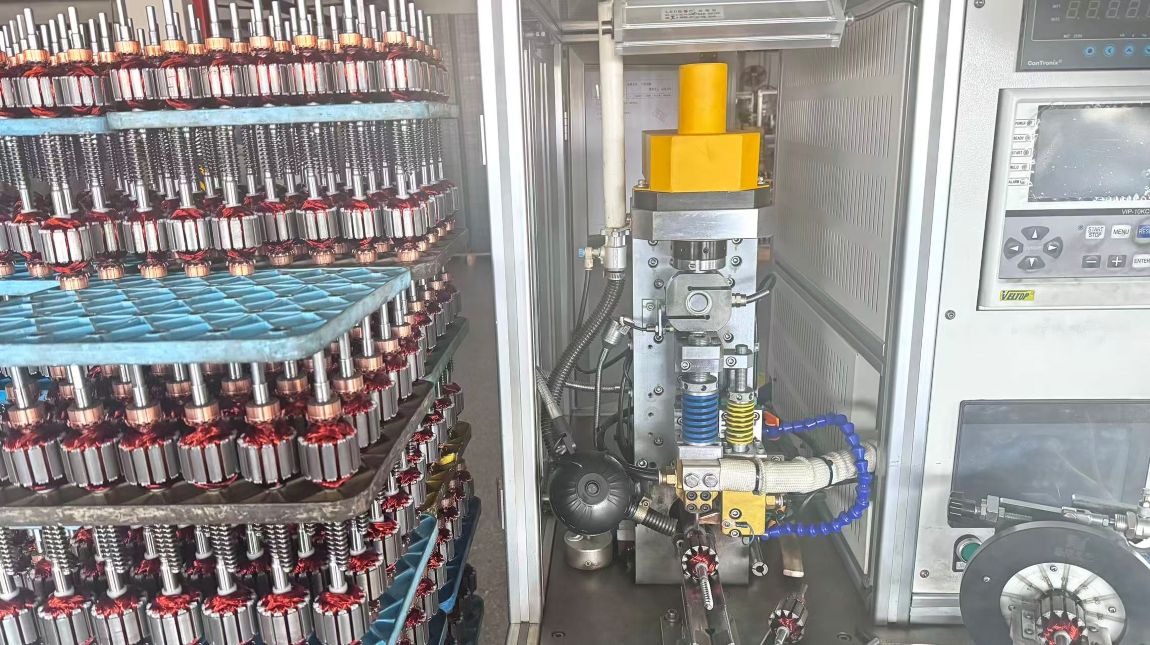
China's industrial ecosystem provides a complete manufacturing network, from raw rare-earth magnets to finished wire coils. MicroDyn Motor utilizes this network to ensure steady raw material access, insulating clients from global supply shocks. Our engineering facility integrates automatic winding, high-frequency welding, dynamic balancing, and automated inspection to maintain consistent, repeatable quality across high-volume production runs.

Ensuring cross-border compliance, high-quality materials, and technical engineering support for global OEMs.
Operating as an international stepper motor supplier requires compliance with global safety, environment, and electrical standards. MicroDyn Motor enforces compliance frameworks across our manufacturing chain. Every component is designed to conform to global regulations, simplifying integration into our customers' products:
Designed for smart devices, customized industrial systems, and automated vehicle mechanisms.
Expert technical answers covering thermal characteristics, closed-loop implementation, microstepping torque losses, and custom configurations.
 MicroDyn Motor